
Planting
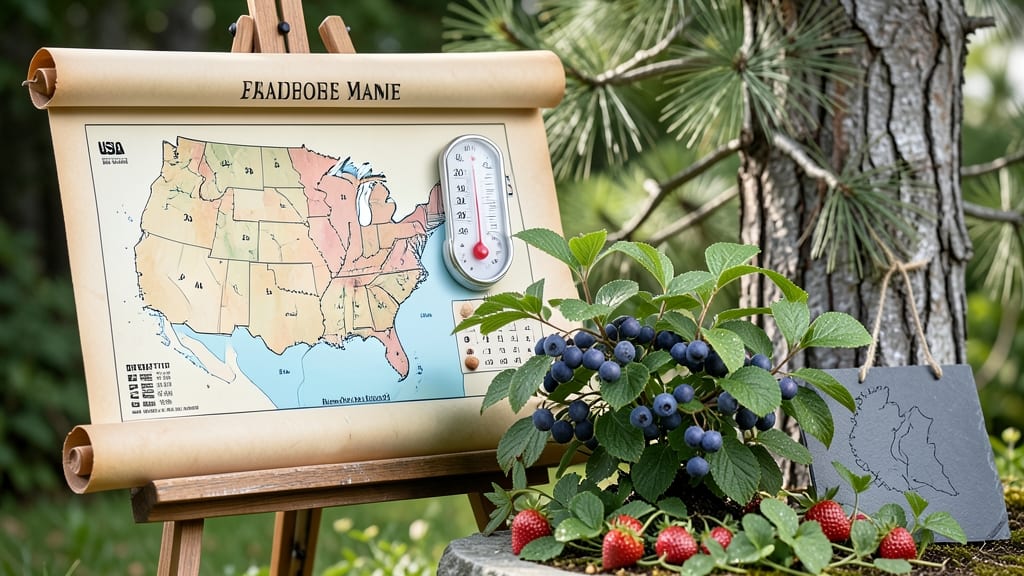
What gardening zone is Maine in? It falls within USDA Hardiness Zones 4 through 6, with coastal regions primarily in Zone 5, inland areas—including northern counties—in Zone 4, and parts of York and Cumberland Counties extending into Zone 6. Southern Aroostook County dips into Zone 3. Always verify your exact location using the USDA Plant Hardiness Zone Map.
Maine's diverse geography creates this range of zones, where coastal areas benefit from ocean currents that moderate temperatures, while inland regions experience colder winters. 🌲 For example, Portland typically sits in Zone 5b, while Bangor in the north falls into Zone 4a. Understanding your specific zone helps you choose plants that thrive in your local climate conditions.
This variation means gardeners in southern Maine can grow tender perennials like lavender, while those in northern zones must opt for hardier options like Russian sage. The USDA map provides precise boundaries, but local microclimates—like sheltered valleys—can sometimes shift your zone by half a number.
💡 In This Article
- How Maine’s Climate Shapes USDA Gardening Zones
- Maine County-by-County USDA Zone Breakdown
How Maine’s climate shapes USDA gardening zones
Maine’s zone diversity stems from its dramatic climate contrasts. The Gulf of Maine’s currents create a maritime climate along the coast, where winter temperatures rarely drop below -10°F—keeping most coastal areas in Zone 5.
Meanwhile, inland regions experience continental climate extremes, with winter lows frequently hitting -20°F to -30°F, pushing them into Zone 4. This 10°F temperature difference between coast and inland is what creates the zone divide.
The ocean’s influence doesn’t stop at temperature—it also extends the growing season by 2-3 weeks in coastal areas. For example, Portland’s last spring frost typically occurs around April 20th, while inland Bangor sees its last frost around May 5th.
This delayed frost date allows coastal gardeners to plant tender crops like tomatoes 2 weeks earlier than their inland counterparts. Elevation plays a role too: areas above 1,000 feet (like parts of the White Mountains) can drop an additional half-zone due to colder air settling in valleys.
Seasonal temperature swings are extreme. Coastal areas might see 40°F winters with ocean winds, while inland spots can experience -30°F cold snaps within the same week.
This volatility explains why some inland valleys (like the Androscoggin River Valley) might be Zone 4b, while nearby hills push into Zone 4a. The USDA’s 10°F increment system captures these variations, but local topography often creates microclimates where your actual zone might differ by half a number from the map.
What this means for gardeners: Coastal Zone 5 gardeners can reliably grow USDA Zone 5 plants like peonies or Russian sage, while Zone 4 inland gardeners should choose hardier options like cold-hardy hydrangeas or winterberry holly.
The 30-day average minimum temperature (the USDA’s key metric) helps explain why a Zone 5 plant might survive in coastal Maine but fail inland—it’s not just about the coldest night, but the cumulative winter chill.
Consider these key climate factors when selecting plants:
- Coastal areas: Warmer winters, longer growing seasons, but salt spray can damage some plants
- Inland valleys: Colder winters but often drier, requiring irrigation for thirsty plants
- Elevated areas: Shorter seasons but lower pest pressure and better drainage
- Urban heat islands: Cities like Portland can be 1-2°F warmer than rural areas, potentially shifting zones
The takeaway? Maine’s zones reflect a delicate balance between geography and climate. While the USDA map provides a solid starting point, your specific microclimate—whether you’re in a sheltered valley or exposed coastal bluff—often determines what will truly thrive in your garden. 🌿