
Planting
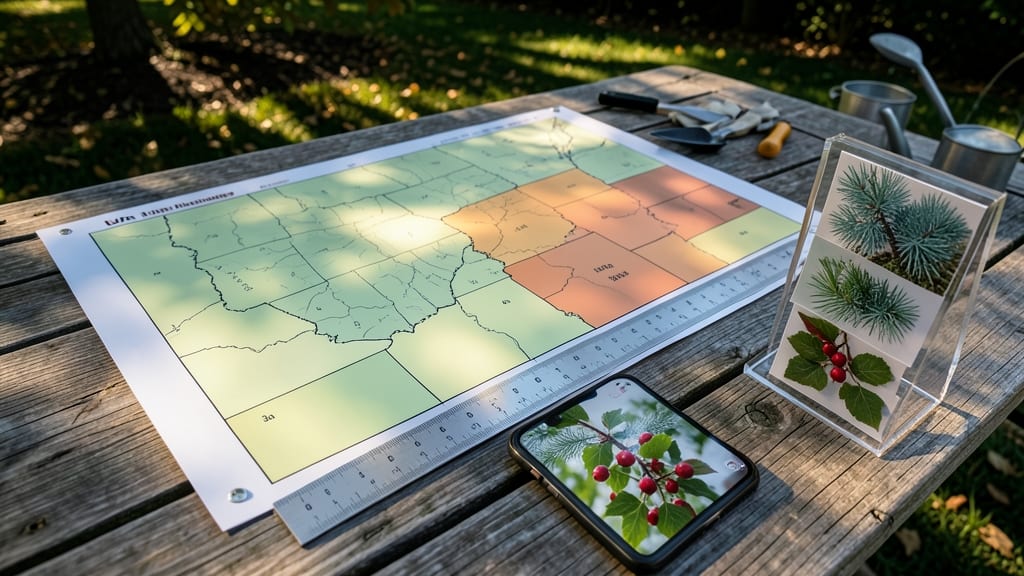
Minnesota falls within USDA gardening zones 3b to 5b, with northern areas experiencing colder winters in zone 3b and southern regions enjoying milder conditions in zone 5b.
Understanding Minnesota's gardening zones helps you choose plants that thrive in your specific area. Zone 3b, covering northern Minnesota, sees average minimum temperatures between -35°F and -30°F, while zone 5b in the south experiences milder winters down to -15°F to -10°F.
These temperature ranges directly impact when you can plant in spring and when to expect fall frosts, typically between May 15 and June 1 for last spring frost and September 15 to October 15 for first fall frost. 🌱 The zone difference also means some plants like potatoes and cone flowers grow well in colder zones, while others like tomatoes and peony bushes prefer the milder southern climate.
This variation explains why gardeners in northern Minnesota often focus on cold-hardy perennials, while southern gardeners can experiment with more tender annuals. The key is matching your plants to your specific zone's frost dates and temperature extremes.
💡 In This Article
- How Minnesota’s USDA Zones Affect Plant Selection
- Top Cold-Hardy Plants for Minnesota Gardens by Zone
How Minnesota’s USDA zones affect plant selection
The USDA divides Minnesota into zones based on average annual minimum temperatures, with zone 3b experiencing -35°F to -30°F winters and zone 5b seeing milder -15°F to -10°F lows. This 25°F temperature difference creates distinct growing conditions—northern gardens face shorter growing seasons while southern areas enjoy longer warm periods.
The colder zone 3b typically has 90-120 frost-free days, while zone 5b enjoys 120-150 days, dramatically affecting what you can grow.
Frost dates are the real game-changers. Northern Minnesota's last spring frost often arrives May 15 to June 1, while southern areas may see frost-free conditions by May 1. First fall frosts hit northern zones by September 15, but southern gardens can extend growing until October 15.
These dates determine whether you can grow tender annuals like tomatoes or need to focus on cold-hardy perennials like coneflowers that survive winter dormancy.
Plant hardiness is measured by a plant's ability to survive winter temperatures. Zone 3b plants must tolerate -30°F or colder, while zone 5b plants handle -15°F. This explains why potatoes thrive in northern Minnesota (they handle -20°F) while tomatoes need southern protection.
The USDA Plant Hardiness Zone Map uses these temperature thresholds to help gardeners match plants to their climate's extremes.
Microclimates add another layer—urban areas often run 2-5°F warmer than rural zones due to concrete heat absorption. South-facing slopes get 30% more sunlight than north-facing ones, creating pockets where you might grow zone 4 plants in zone 3b areas.
This is why gardeners should observe their specific site conditions rather than relying solely on the general zone designation.
Seasonal transitions matter too. Zone 3b gardens experience 180-200 days below freezing annually, while zone 5b sees 120-150 days. This affects soil preparation—northern gardens need earlier spring warming to plant, while southern soils stay workable longer.
The temperature differential also influences water management, with northern zones requiring more frost protection for emerging plants.
Understanding these zone differences helps avoid costly mistakes. Planting a zone 5 peony in zone 3b without protection will likely result in winter die-back, while a zone 3 coneflower will thrive in both zones. The key is matching plant hardiness ratings to your specific zone's temperature extremes and frost patterns.