
Tools
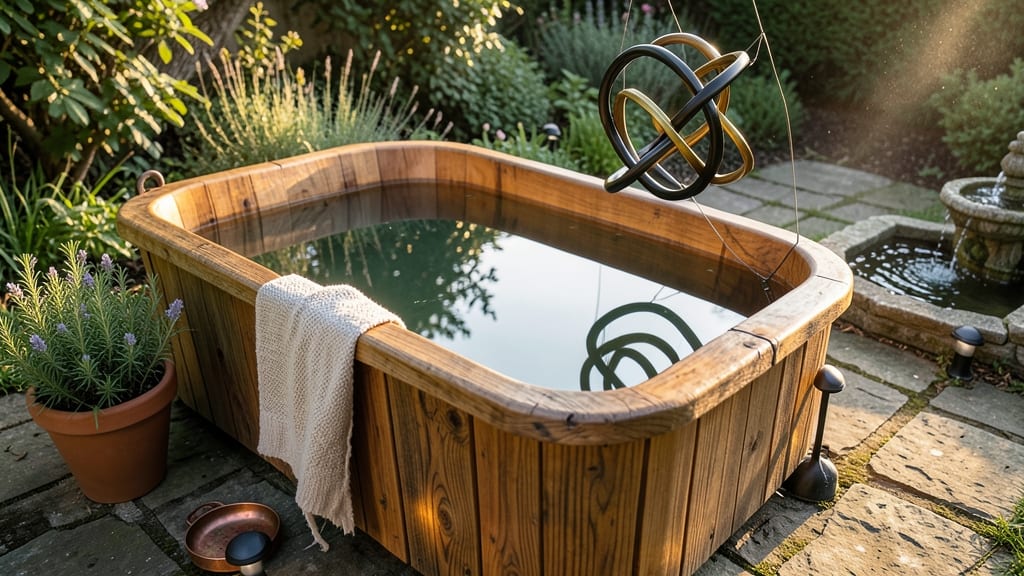
A garden bath is an outdoor soaking tub designed for relaxation amid nature, blending seamlessly with garden aesthetics using natural materials like wood or stone. Unlike hot tubs, it emphasizes immersion in greenery and often skips built-in jets or heating systems.
A garden bath transforms your outdoor space into a tranquil retreat by merging functionality with natural beauty. 🌿 Unlike traditional hot tubs, these tubs are designed to become part of your garden's ecosystem, using materials like cedar or slate that age gracefully alongside plants.
The real magic happens when you surround it with fragrant herbs or shade-loving foliage—creating a sensory experience where the water's temperature feels like an extension of nature itself.
Many garden baths even feature minimalist designs that encourage you to soak while surrounded by birdsong and rustling leaves, making them perfect for those who crave peaceful immersion over high-tech features.
What sets them apart is their intentional simplicity. While hot tubs focus on jets and temperature control, garden baths prioritize the experience of being outdoors—whether that means soaking under a canopy of trees or watching fireflies at dusk.
The lack of mechanical features also means lower maintenance and a more authentic connection to the natural world. 🌸
💡 In This Article
- Garden Bath Design Elements That Enhance Outdoor Relaxation
- Best Garden Bath Placement and Plant Pairings for Maximum Enjoyment
Garden bath design elements that enhance outdoor relaxation
Garden baths are engineered to dissolve the boundary between indoor luxury and outdoor serenity by prioritizing organic materials and sensory immersion.
Unlike hot tubs, which often feature sleek plastics and powerful jets, these tubs use locally sourced stone like slate or bluestone, or naturally weather-resistant woods such as cedar or teak.
The texture of these materials—whether the smooth coolness of stone or the warm grain of wood—creates an immediate tactile connection to nature. This intentional material choice isn't just aesthetic; it's functional. Cedar, for example, contains natural oils that repel moisture, reducing maintenance while developing a beautiful silver patina over time.
The minimalist design philosophy extends to the tub's shape and features. Most garden baths have a shallow, wide profile (typically 18-24 inches deep) that encourages full-body immersion without the need for powerful jets.
The absence of mechanical systems means you're not distracted by pumps or heating elements—just the gentle ripple of water and the sounds of your surroundings.
Some high-end models incorporate subtle natural filtration systems using plants like water lilies or reeds to keep the water clean, creating a closed-loop ecosystem that mirrors a pond's tranquility. 🌿
What truly elevates the experience is the integration with landscaping. Garden baths are often installed in partial shade (30-50% sunlight) to maintain comfortable water temperatures naturally, typically ranging from 65-85°F—perfect for year-round soaking.
The placement near fragrant plants like lavender, rosemary, or jasmine amplifies relaxation through scent, while strategically placed water-loving foliage (such as hostas or ferns) adds visual interest without competing for attention.
This thoughtful design ensures every sense is engaged—visual, auditory (rustling leaves, birdsong), olfactory (herbal aromas), and tactile (cool stone underfoot).
The sensory experience is further enhanced by the tub's position in the landscape. Unlike hot tubs that often sit in isolated corners, garden baths are designed to be visible from the house while still offering privacy through natural barriers like bamboo screens or climbing roses.
This duality creates a space that feels both connected and secluded. The water's surface acts as a mirror, reflecting the surrounding greenery and sky, while the tub's edges can be lined with soft moss or pebbles to prevent slips and add to the organic feel.
This holistic approach transforms a simple soaking tub into a multi-sensory sanctuary.
For those who prioritize wellness, garden baths often incorporate therapeutic elements like aromatherapy-safe essential oils (e.g., eucalyptus or chamomile) that can be gently diffused into the water. The lack of harsh chemicals or artificial lighting means the experience remains pure and uncluttered.
Studies on forest bathing (or shinrin-yoku) show that immersion in natural settings can lower cortisol levels by up to 20%—a benefit amplified when you're surrounded by living plants and the sounds of nature.
This scientific backing explains why garden baths are gaining popularity among wellness enthusiasts seeking a more authentic outdoor experience. ✨
Consider this: while a hot tub might feel like a high-tech escape, a garden bath feels like a natural extension of your environment.
The design choices—from material selection to plant pairings—are all about creating a space where technology fades into the background, allowing you to reconnect with the rhythms of nature.
Whether you're soaking under a full moon or during a gentle afternoon rain, the garden bath's design ensures the focus remains on the present moment, not on the mechanics of relaxation. 🌸