
Propagation
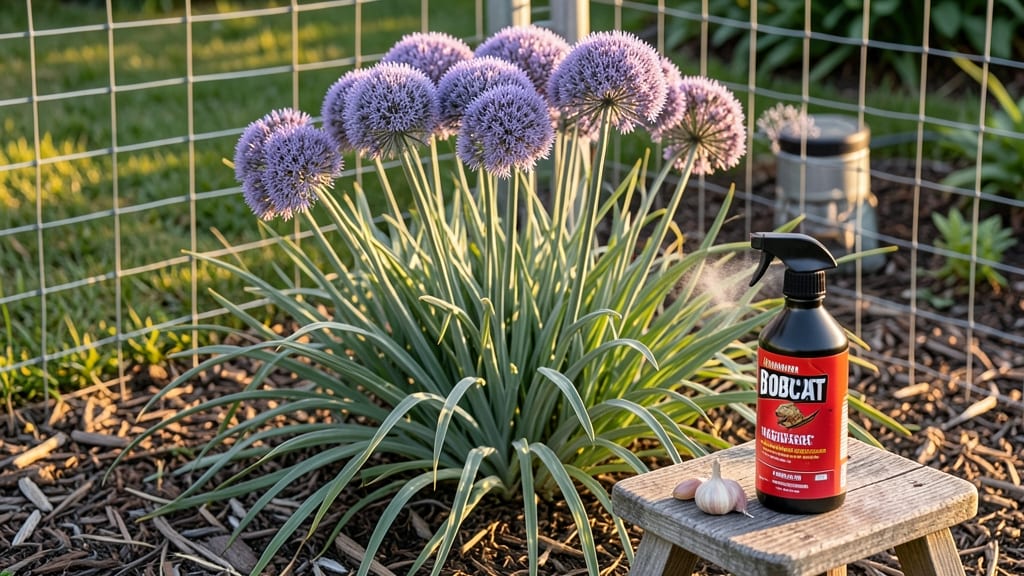
What keeps bunnies away from gardens includes strong-smelling plants like garlic and mint, physical barriers such as chicken wire or fencing, and commercial repellents containing capsaicin or predator urine. Using multiple methods consistently yields the best long-term results.
Bunnies avoid certain plants because of their potent scents and bitter compounds—like alliums (garlic, onions) or lavender, which disrupt their foraging instincts.
Physical barriers work by blocking access entirely, while capsaicin-based sprays create irritation without harm. 🌿 I’ve found that combining a physical fence with planted deterrents (like rosemary) creates a multi-layered defense system that rabbits can’t easily bypass. The key is persistence: bunnies learn quickly, so rotating repellents keeps them guessing.
For example, a hot pepper spray (mix cayenne pepper, water, and dish soap) mimics the scent of predators, while predator urine (fox or coyote) triggers their natural avoidance instincts. Seasonal adjustments matter too—spring planting of deterrent flowers ensures year-round protection.
Always test repellents on a small area first to avoid damaging plants.
💡 In This Article
- How Bunny-Proofing Plants Work Against Rabbit Behavior
- Top 10 Natural Rabbit Repellents for Gardeners
How bunny-proofing plants work against rabbit behavior
Rabbits have an incredibly sensitive sense of smell—up to 14 times stronger than humans—and they rely on it to avoid plants that might harm them. When you plant deterrents like garlic or mint, the volatile organic compounds (VOCs) in these plants trigger their natural aversion.
For example, garlic contains allicin, which releases a pungent sulfur smell that rabbits find overwhelming. This scent acts like a chemical warning system, signaling danger without the rabbit needing to taste the plant first. 🌿
The science behind this works at a neurological level: rabbits have specialized receptors in their nasal passages that detect these compounds and send signals to their brain's avoidance centers.
Physical barriers, like chicken wire buried 12 inches deep, disrupt their foraging patterns by making it impossible to dig under fences. Rabbits are creatures of habit, so even a small obstacle can redirect their path entirely.
Commercial repellents with capsaicin (the compound that makes peppers hot) work by irritating their sensitive nasal passages, creating an unpleasant experience that teaches them to avoid treated areas.
What most gardeners don’t realize is that rabbits also avoid plants with bitter or toxic compounds, like foxglove or daffodils. These plants contain cardiac glycosides, which are poisonous to rabbits.
The bitter taste alone is enough to deter them, but the real protection comes from the rabbit’s instinct to avoid anything that might make them sick.
This is why planting a border of rosemary or thyme around your garden creates a natural barrier—both the scent and the taste are unappealing to them.
Predator urine repellents work through a different mechanism: they mimic the scent of natural predators like foxes or coyotes. Rabbits have an innate fear of these animals, and the urine’s scent triggers their fight-or-flight response.
The key here is freshness—predator urine loses effectiveness within a few weeks, so reapplication is crucial. I’ve found that combining urine with other deterrents (like a physical fence) creates a multi-sensory warning system that’s nearly impossible for rabbits to ignore.
Seasonal changes also play a role in rabbit behavior. In spring, when new growth is most tender, rabbits are more likely to forage aggressively. Planting early-blooming deterrents like crocus or snowdrops ensures protection during this critical period.
Meanwhile, in summer, rabbits seek shade and moisture, so placing repellents near their resting spots (like under bushes) increases effectiveness. The goal is to make your garden smell and taste uninviting year-round. 🌱
For maximum impact, rotate your repellents every 4-6 weeks. Rabbits are smart and can learn to ignore a single deterrent over time. By switching between plants, sprays, and physical barriers, you keep them guessing and maintain a consistent level of protection.
This layered approach ensures that even if one method fails, others will still keep your garden safe.