
Landscaping
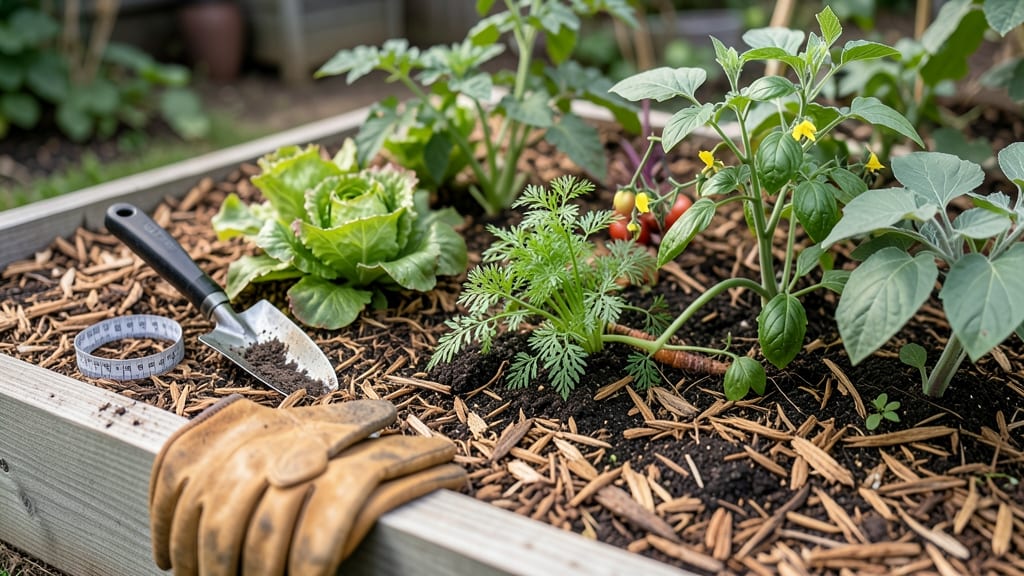
To determine what mulch to use for your vegetable garden, organic options like straw or grass clippings improve soil fertility while retaining moisture, whereas inorganic choices such as black plastic or landscape fabric control weeds and stabilize soil temperatures. Your selection should align with plant-specific needs and local climate factors.
Organic mulches break down over time, enriching the soil with nutrients and promoting beneficial microbial activity. 🌱 This makes them ideal for long-term garden health, especially for nutrient-hungry vegetables like tomatoes or peppers.
In contrast, inorganic mulches like black plastic create a moisture barrier that's perfect for drought-prone areas, while landscape fabric prevents weed competition without altering soil chemistry. The key is matching your mulch choice to both your plants' growth requirements and your region's typical weather patterns.
For example, straw works wonderfully for tomatoes because it maintains consistent moisture while allowing air circulation, whereas wood chips provide excellent weed suppression for root vegetables like carrots or beets. In hot climates, inorganic mulches help prevent soil overheating, while in cooler regions, organic options can provide additional insulation.
Always consider how long your mulch will last and whether you need temporary weed control or long-term soil improvement.
💡 In This Article
- How Organic vs Inorganic Mulches Affect Soil and Plant Growth
- Best Mulch Types for Specific Vegetable Plants and Climates
How organic vs inorganic mulches affect soil and plant growth
Organic mulches like straw or wood chips work by creating a natural barrier that slowly decomposes, releasing nutrients back into the soil. This process, called mineralization, occurs when microorganisms break down the mulch material, converting complex organic compounds into plant-accessible forms like nitrogen, phosphorus, and potassium.
For example, straw decomposes at a rate of about 1-2 inches per year, providing a steady nutrient supply that's especially beneficial for heavy feeders like tomatoes or squash.
The decomposition process also improves soil structure by increasing porosity and water infiltration. Organic mulches can retain up to 30-40% more moisture in the soil compared to bare ground, which is critical during dry spells.
However, this moisture retention comes with a trade-off: organic mulches can attract pests like slugs or rodents if not managed properly. In contrast, inorganic mulches like black plastic create a physical barrier that blocks sunlight, preventing weed seeds from germinating while reflecting heat back into the soil.
Temperature regulation is where inorganic mulches truly shine. Black plastic can raise soil temperatures by 5-10°F during the day, accelerating germination for cool-season crops, while organic mulches provide more gradual temperature changes. This heat retention effect is particularly valuable in northern climates where spring planting is delayed.
However, inorganic mulches offer no long-term soil benefits—they must be removed or replaced annually, whereas organic mulches gradually improve soil fertility over multiple seasons.
Consider the microbial activity difference too. Organic mulches foster diverse microbial communities that enhance nutrient cycling and disease suppression. Studies show gardens with organic mulches have 20-30% more beneficial bacteria than those with inorganic coverings.
For plants sensitive to soil-borne diseases like potatoes or onions, organic mulches can create a healthier root zone. The trade-off is that inorganic mulches provide immediate weed suppression without the maintenance required for organic options.
For moisture-sensitive crops like lettuce or spinach, organic mulches create an ideal environment by maintaining even soil moisture levels. In contrast, inorganic mulches create a drier soil profile beneath them, which can stress moisture-loving plants.
The choice often comes down to whether you prioritize immediate weed control or long-term soil health—both have valid roles in different garden scenarios.
One advanced consideration is the carbon-to-nitrogen ratio of organic mulches. Materials like straw (C:N ratio of 80:1) decompose more slowly than grass clippings (25:1), which can lead to nitrogen depletion if not balanced with compost.
This is why many gardeners mix organic mulches with compost or nitrogen-rich amendments when first applying them to prevent nutrient competition with plants.