Vegetables
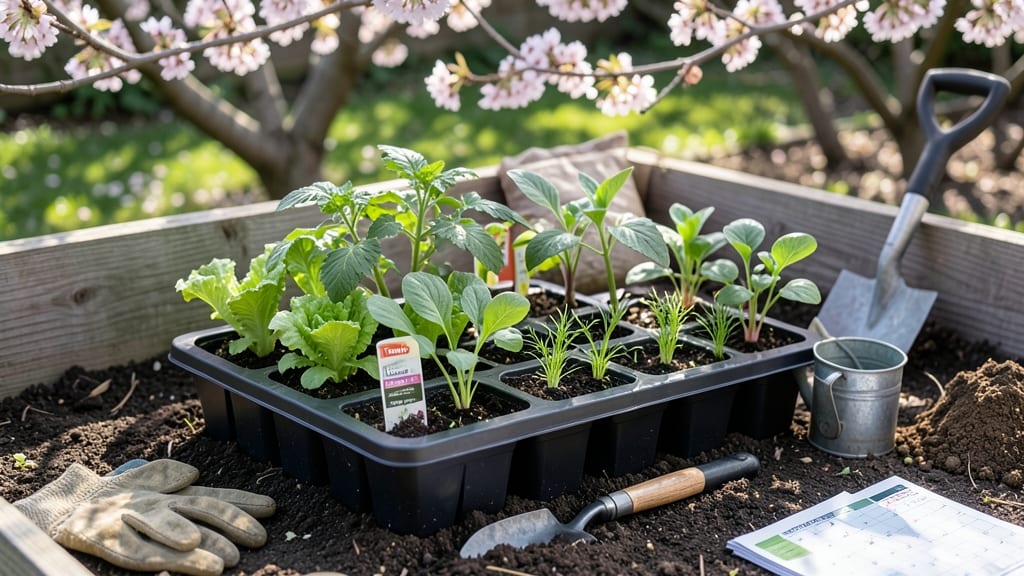
The best time to plant a vegetable garden depends on your climate zone and the type of vegetables you’re growing 🌱 — but getting it right means the difference between a lush harvest and a sad, wilted mess.
Planting your vegetable garden at the wrong time can mean wilted dreams before harvest—knowing your climate zone and ideal planting windows is the secret to a thriving, bountiful garden.
Cool-season crops like lettuce and peas love the crisp air of early spring or late fall, while tomatoes and peppers crave the warmth of late spring or summer. Even a week off can stunt growth or invite pests, so timing matters more than you might think.
Below, I’ll break down the exact planting windows for your USDA zone, how to adjust for microclimates, and the fastest way to extend your growing season—no matter where you live.


Climate-zone planting calendar: when to start seeds and transplant vegetables
Timing is everything when growing vegetables—plant too early and frost will kill seedlings, too late and your harvest shrinks. Your USDA hardiness zone determines your frost-free dates, which in turn dictate when to start seeds indoors or directly sow in the garden.
For example, Zone 5 gardeners have a shorter growing window than Zone 9, but both can thrive with the right timing for cool-season vs. warm-season crops.
Cool-season crops like lettuce and peas tolerate light frosts, while warm-season favorites like tomatoes and peppers need soil temperatures above 55°F to thrive. Below, I’ve broken down the ideal planting windows by zone, including when to start seeds indoors and when to transplant seedlings outdoors.
Use this as your seasonal planting guide to avoid common mistakes like bolting lettuce or stunted tomatoes.
🌱 Pro Tip: Always check your last frost date (average date of the final frost in spring) and first frost date (average date of the first frost in fall) for your specific location. Local agricultural extensions or weather services can provide precise dates for your zip code.
In Zones 3-4, where frost lingers late, start cool-season crops like kale and spinach indoors by early March. Transplant seedlings outdoors after your last frost date, typically mid-May.
For warm-season crops, begin seeds indoors in late April to give them time to mature before the first frost in October.
Gardeners in Zones 5-6 enjoy a slightly longer season. Begin cool-season crops indoors in late February, while warm-season crops like tomatoes and peppers can start indoors in mid-March.
Transplant outdoors after the last frost, usually in mid-April to early May. Don’t forget to use row covers to extend the season if needed.
For Zones 7-8, where frost arrives later, you can start cool-season crops as early as January indoors. Warm-season crops like cucumbers
How to adjust planting times for your local microclimate
Your local microclimate can drastically alter the best time to plant your vegetable garden. Urban heat islands, high-altitude gardens, and coastal breezes all create unique growing conditions that standard planting guides often overlook.
For example, a city block might be 5-10°F warmer than surrounding areas, while mountain gardens can experience earlier frosts despite similar latitude. These variations mean the difference between a thriving harvest and struggling seedlings.
Even within your USDA hardiness zone, microclimates create pockets where soil warms faster, frost lingers longer, or wind exposure is harsher. Learning to read these subtle clues—like which spots dry out first or where morning fog collects—lets you fine-tune planting times for maximum success.
Whether you're dealing with a protected courtyard or a wind-swept hillside, small adjustments can mean the difference between a bountiful garden and a disappointing one.
- 1. Soil Temperature: Use a soil thermometer—most seeds need 60-70°F soil to germinate. Test multiple spots in your garden to find the warmest areas first.
- 2. Urban Heat Islands: Plant heat-tolerant crops (like okra or sweet potatoes) earlier in cities, where pavement radiates heat. Start cool-season crops (spinach, peas) in shaded areas.
- 3. High-Altitude Gardens: Adjust planting dates 2-4 weeks earlier than zone guidelines—cooler temps slow growth. Use row covers to extend seasons.
- 4. Coastal Climates: Watch for fog delays—salty air and mist can stunt seedlings. Plant wind-resistant varieties (kale, Swiss chard) and use windbreaks.
- 5. Moon Phases: Sow leafy greens during the moon’s waxing phase (growth above ground) and root crops during the waning phase (growth below ground).
Don’t rely solely on seed packet instructions—they’re based on average conditions. Instead, combine them with local weather patterns and your garden’s quirks. For instance, if your garden sits in a south-facing slope, it’ll warm up faster than flat ground.
Start warm-season crops like tomatoes and peppers 2 weeks earlier in these spots. Conversely, north-facing areas may need row covers to jumpstart growth.
Another pro tip: Observe your garden’s history. Note which years had unexpected frosts or heatwaves and adjust accordingly. For example, if your area had a late frost in May 2022, err on the side of caution by waiting until mid-May to plant heat-sensitive crops like cucumbers.
Keep a gardening journal to track these patterns year after year.
For protected microclimates, like a greenhouse or sunny patio, you can push planting dates 1-2 weeks earlier than outdoor beds. These spaces trap heat and shield plants from wind and pests.
Just be mindful of humidity levels—greenhouses can become too moist, leading to fungal diseases. Use ventilation and spacing to maintain airflow.
Finally, don’t ignore seed packet details—they often include days to maturity and temperature ranges that align with your microclimate. Pair this info with local frost dates (check the National Weather Service or Almanac) to calculate your ideal planting window.
For example, if your last frost is April 15 and your tomatoes take 80 days to mature, aim to plant by July 5 for a fall harvest.
With these adjustments, you’ll turn your microclimate from a challenge into a competitive advantage. A well-timed garden isn’t just about luck—it’s about reading your land like a pro. Happy planting! 🌱