
Tools
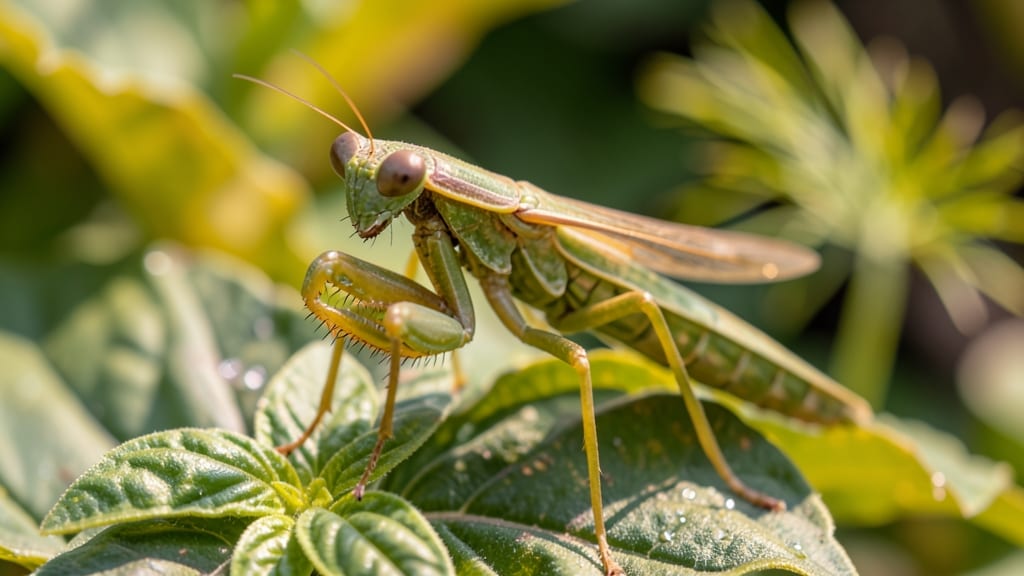
Keeping bugs out of your vegetable garden 🥕 is all about smart prevention and targeted solutions—no more losing your harvest to aphids or squash bugs.
Picture this: you’ve spent weeks tending to your garden, only to wake up one morning and find your lettuce skeletonized or your tomatoes riddled with holes. It’s enough to make any gardener throw in the trowel—but the right strategies can turn your plot into a pest-proof zone.
From lightweight row covers that block pests while letting sunlight through to homemade soil drenches that repel bugs at the root, you’ll discover effective, organic methods that actually work. No more guessing or expensive chemical sprays—just practical, sustainable fixes tailored to your garden’s needs.
Below, I’ll walk you through the best row covers, homemade drenches, and companion planting tricks that keep your veggies thriving—so you can enjoy a bountiful harvest without the battle.
Best row covers and physical barriers to block garden pests
When pests like cabbage moths, aphids, or squash bugs threaten your vegetable garden, the first line of defense is often a physical barrier. These lightweight fabrics and DIY solutions let sunlight and water through while blocking unwanted critters.
The key is choosing the right material for your specific crops—whether you're protecting delicate leafy greens or tomatoes from flying insects.
Row covers and netting work best when applied early in the season, before pests become a major issue. For example, I use floating row covers over my broccoli and cauliflower in early spring to prevent cabbage worms from laying eggs.
The goal is to create a pest-proof environment without harming beneficial insects like bees or ladybugs.
Not all barriers are created equal. Some materials block too much light, while others may trap excess heat. For instance, insect netting with a 0.6mm mesh is ideal for cucumbers and squash, but a 30% shade cloth works better for heat-sensitive crops like lettuce.
Understanding these differences will help you pick the best solution for your garden layout and climate.
DIY barriers can also be effective and budget-friendly. Collars made from cardboard tubes or plastic bottles work wonders for protecting young seedlings from cutworms. Meanwhile, a simple straw mulch ring around carrot plants deters carrot flies. These low-cost options are perfect for small gardens or specific problem areas.
Here’s how I compare the most popular row covers and barriers for vegetable gardens:
For tomatoes and peppers, I swear by insect netting because it’s lightweight and doesn’t restrict growth. Simply drape it over hoops or stakes and secure the edges with clips or rocks.
This method works especially well in container gardens where space is limited. Just remember to remove the netting before flowering if you want to allow pollinators to do their job.
When using row covers, always secure them tightly to prevent pests from sneaking underneath. I use brass pins or landscape staples to anchor the fabric, especially in windy conditions. For long-term use, opt for UV-stabilized materials to avoid degradation from sunlight.
If you’re growing broccoli or kale, remove the cover a few weeks before harvest to harden off the plants and prevent bolting.
One common mistake is leaving barriers on too long. While they protect your plants, they can also stunt growth by blocking too much light or trapping excess moisture.
For example, I remove shade cloth from my lettuce once the plants are established to encourage stronger stems. Always monitor your crops and adjust coverage as needed.
For root vegetables like carrots or beets, focus on soil-based barriers. A layer of diatomaceous earth around the base deters carrot flies, while a straw mulch ring keeps slugs at bay. These methods are low-maintenance and work well in raised beds or in-ground plots.
Finally, don’t overlook the power of companion planting alongside physical barriers. For instance, planting basil near your tomatoes can reduce the need for netting by repelling pests naturally. Combine these strategies for a <
Homemade soil drench recipes to repel common garden bugs
When pests like aphids, grubs, and slugs threaten your vegetable garden, a simple soil drench can work wonders. These organic recipes not only deter bugs but also enhance soil health and boost plant immunity.
The key is applying them at the right time—early in the season or when you spot early signs of pest activity.
Unlike chemical pesticides, these homemade soil drenches target pests at their source without harming beneficial insects or your plants. They’re easy to make with common kitchen ingredients and garden supplies.
For best results, apply them to moist soil in the early morning or late afternoon, giving the solution time to penetrate before the heat of the day.
- 1 Garlic Drench: Blend 1 cup chopped garlic with 1 gallon water. Steep overnight, strain, and add 1 tbsp castile soap. Water soil deeply around plants to repel aphids and beetles.
- 2 Neem Oil Drench: Mix 1 tbsp neem oil with 1 tsp horticultural oil and 1 gallon water. Shake well and apply to soil to deter grubs, whiteflies, and fungal diseases.
- 3 Chili Pepper Drench: Blend 2-3 hot peppers (like cayenne) with 1 gallon water. Let sit for 24 hours, strain, and apply to soil to repel slugs, ants, and caterpillars.
- 4 Coffee Grounds Drench: Steep 1 cup used coffee grounds in 1 gallon warm water for 24 hours. Strain and pour around plants to deter slugs, ants, and fungal growth.
- 5 Vinegar & Salt Drench: Mix 1 cup white vinegar with 1 tbsp salt and 1 gallon water. Apply sparingly to soil to kill weeds and deter root-feeding pests like grubs.
For best results, rotate these drenches every 2-3 weeks to prevent pests from building resistance. Always test a small area first, especially with neem oil or vinegar, as they can affect sensitive plants.
Pair these drenches with companion planting (like basil with tomatoes) for a double-layered defense against garden pests.
These recipes are perfect for organic gardeners who want to avoid harsh chemicals while keeping their vegetable garden thriving. Plus, they’re cost-effective and easy to customize based on the pests you’re facing. Give them a try, and watch your garden become a pest-free paradise!
🌱