
Tools
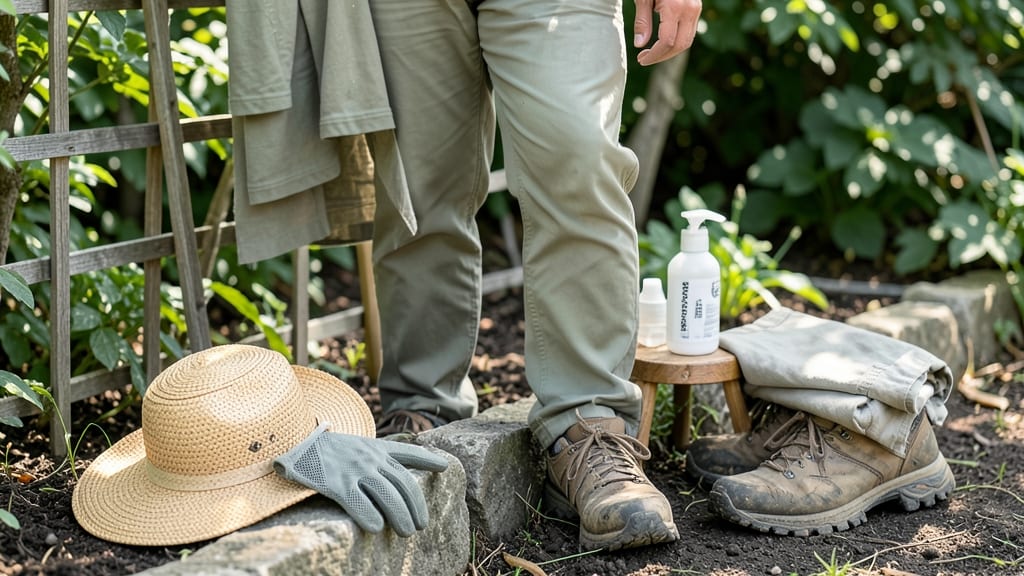
When gardening, wear breathable long-sleeved shirts, sturdy pants, closed-toe shoes, and a wide-brimmed hat to shield against sun exposure, debris, and scratches while staying mobile. Layer moisture-wicking fabrics for comfort in changing weather.
Gardening demands practical protection without sacrificing mobility. 🌿 Your clothing should balance sun defense—look for UPF-rated fabrics—and durability, like ripstop cotton or polyester blends that resist tears from thorns or tools. For footwear, prioritize arch support and traction; waterproof boots handle muddy soil, while lightweight sneakers work for flat-ground tasks.
Accessories like gardening gloves with reinforced palms prevent blisters and improve grip, while a wide-brimmed hat shields your face and neck from harmful UV rays.
Pro tip: Swap out lightweight layers if temperatures fluctuate—moisture-wicking base layers keep you cool, while a lightweight fleece adds warmth during early mornings or chilly evenings. The right attire turns a messy chore into a comfortable outdoor experience.
💡 In This Article
- Key Gardening Clothing Materials for Comfort and Protection
- Best Footwear and Accessories for Different Gardening Tasks
Key gardening clothing materials for comfort and protection
Natural fibers like 100% cotton are a gardener's classic because they're breathable and soft against skin, but they absorb sweat quickly—making them less ideal for hot, humid days. Instead, opt for polyester blends (60-80% polyester, 20-40% cotton) that wick moisture away from your body while maintaining durability.
These blends resist tears from thorns or sharp tools, which is critical when handling roses or pruning branches. For extreme sun exposure, UPF-rated fabrics (like those with a UPF 50+ rating) block 98% of UV rays, reducing skin damage from prolonged outdoor work.
The weave matters too—tightly woven fabrics (like those with a thread count of 120+) block more UV rays than loose weaves. Linen is another excellent choice for its lightweight feel and natural breathability, though it wrinkles easily.
If you're working in wet conditions, quick-drying polyester prevents chafing and keeps you comfortable. Always avoid synthetic fabrics that trap heat, like 100% nylon, which can make you feel clammy during intense gardening sessions.
Protection against injuries starts with fabric thickness. Medium-weight cotton or canvas (around 12-16 oz per square yard) offers a balance between breathability and durability, while ripstop fabric (common in outdoor workwear) features reinforced threads that prevent small tears from spreading.
For hands, look for gardening gloves with palm reinforcement (often made from goatskin or synthetic leather) to handle rough tasks like digging or moving rocks without blisters.
Sun protection isn't just about fabric—it's about coverage too. Long sleeves and high-neck collars shield your arms and neck from burns, while elastic cuffs keep dirt and debris out.
If you're working in direct sunlight for over 30 minutes, consider UV-blocking clothing with built-in sunscreen (like those treated with Tinosorb or Mexoryl). These chemicals absorb UV rays before they penetrate your skin, offering an extra layer of defense beyond fabric alone.
Layering is your secret weapon for fluctuating temperatures. Start with a moisture-wicking base layer (like merino wool or synthetic blends) to pull sweat away from your skin, then add a lightweight insulating layer (such as fleece) for cooler mornings or evenings.
Top it off with a wind- and water-resistant shell (like Gore-Tex or similar membranes) if rain is forecasted. This system keeps you dry, warm, and comfortable regardless of whether you're planting in 75°F heat or 50°F chill.
Don't overlook the importance of elastic waistbands and adjustable straps—they allow for full range of motion while digging, bending, or reaching. Fabrics with stretch (up to 4%) accommodate movement without restricting circulation.
For example, polyester-spandex blends (like 88% polyester, 12% spandex) provide flexibility while maintaining structure, making them perfect for all-day wear.
Pro tip: Test your outfit before heading out. Rub the fabric against your skin—if it feels scratchy or stiff, it might irritate during prolonged use. The right materials turn gardening from a sweaty, itchy chore into a comfortable, even enjoyable outdoor activity. 🌿