
Planting
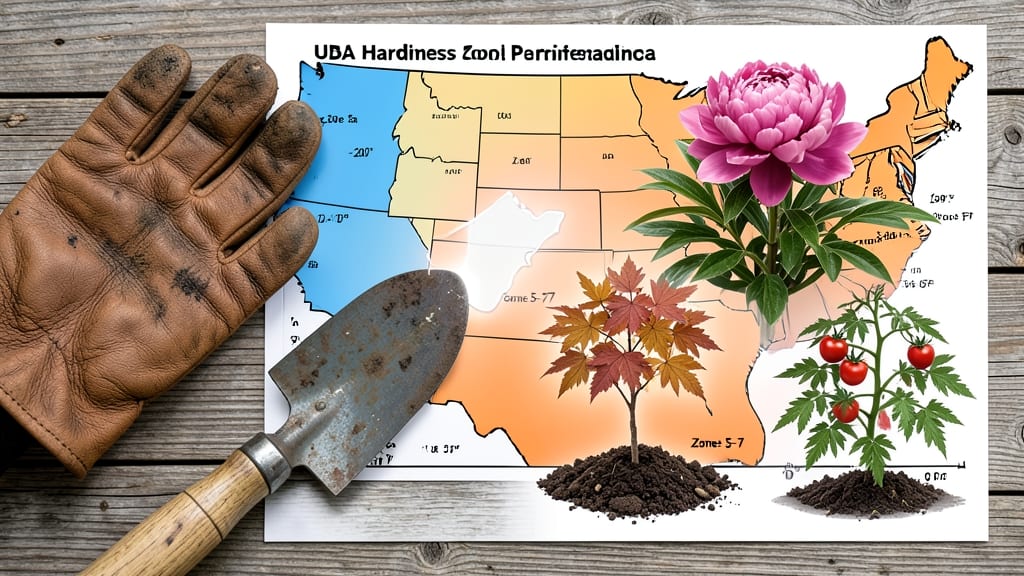
Pennsylvania for gardening falls within USDA Plant Hardiness Zones 4 through 8, with most areas landing in Zones 5-7. The northern regions near Erie and the Poconos experience Zone 5 winters, while southwestern counties like Washington and Beaver extend into Zone 7. Always verify your county’s specific zone for accurate planting timing.
Pennsylvania’s gardening zones reflect its diverse geography, from the chilly Lake Erie shoreline to the warmer valleys near the Ohio border. 🌱 The state’s Zone 5 areas can handle plants like crabapples and black-eyed Susans, while Zone 7 regions support tropicals like bougainvillea and hibiscus.
Elevation plays a key role too—mountainous areas like Bedford County often drop a full zone colder than their lowland neighbors.
For precise planting, I recommend using the USDA Interactive Plant Hardiness Map to pinpoint your exact microclimate.
Many nurseries in PA also offer free zone lookups based on your ZIP code, which helps account for local heat islands or frost pockets. Last frost dates vary wildly too—some areas can plant tomatoes by May 15, while others wait until June 1.
💡 In This Article
- Understanding Pennsylvania’s USDA Plant Hardiness Zones 4-8
- Best Plants for Each Pennsylvania Gardening Zone
Understanding Pennsylvania’s USDA plant hardiness zones 4-8
Pennsylvania’s gardening zones reflect a fascinating interplay between latitude, elevation, and local microclimates. The state’s northern tier—including Erie County and the Poconos—typically falls into Zone 5, where average annual minimum temperatures range from -15°F to -10°F.
This colder climate supports hardy perennials like coneflowers and Russian sage, which thrive even when winter temperatures plunge. Meanwhile, the southwestern corner near Pittsburgh and Washington extends into Zone 7, with winters rarely dropping below 0°F.
The transition between zones often happens over surprisingly short distances. For example, Bedford County in the Allegheny Mountains sits in Zone 6a (average min -5°F to 0°F), while just 30 miles east in Huntingdon, the zone drops to 6b (0°F to 5°F).
This elevation-driven shift means gardeners in mountain valleys can plant 2-3 weeks later than those in nearby river valleys. Even within cities, urban heat islands can push microclimates into higher zones—Philadelphia’s downtown often feels like Zone 7b, while suburban areas may still be 6b.
Pennsylvania’s rare Zone 4 pockets appear only in the most exposed northern highlands, like parts of Cameron County, where winter lows can hit -30°F. These areas require extreme cold tolerance in plants, limiting options to hardy shrubs like potentilla or wintergreen.
Conversely, the Zone 8 outliers—found in extreme southwestern counties near the Ohio border—can support olives and citrus with proper winter protection. These zones exist because the Ohio River valley acts as a heat sink, trapping warmth and delaying frost.
What most gardeners overlook is how frost-free days vary by zone. A Zone 5 area might have only 120-140 frost-free days, while Zone 7 regions enjoy 180+ days.
This directly impacts what you can grow—tomatoes in Zone 5 need to be planted by May 15 and harvested before October 1, while Zone 7 gardeners can extend the season until November 15.
The USDA’s 10-year average data accounts for these variations, but local weather patterns can still shift zones by half a zone in extreme years.
For precise planning, I recommend checking the USDA Interactive Map and cross-referencing with your county’s agricultural extension service. Many Pennsylvania nurseries now offer free zone lookups via their websites, which factor in elevation and urban heat effects.
For example, State College (Zone 6a) can grow hydrangeas reliably, while Erie (Zone 5b) gardeners must choose hardier varieties like ‘Annabelle’ hydrangeas that tolerate -20°F temperatures.
Understanding these zones isn’t just about survival—it’s about optimizing your garden’s potential. A Zone 6 gardener in Lancaster might grow peaches with winter protection, while a Zone 5 neighbor in Scranton would stick to apples and cherries.
The key is matching your plants to your zone’s average extremes, not just the mildest winters you’ve experienced. 🌿