
Tools
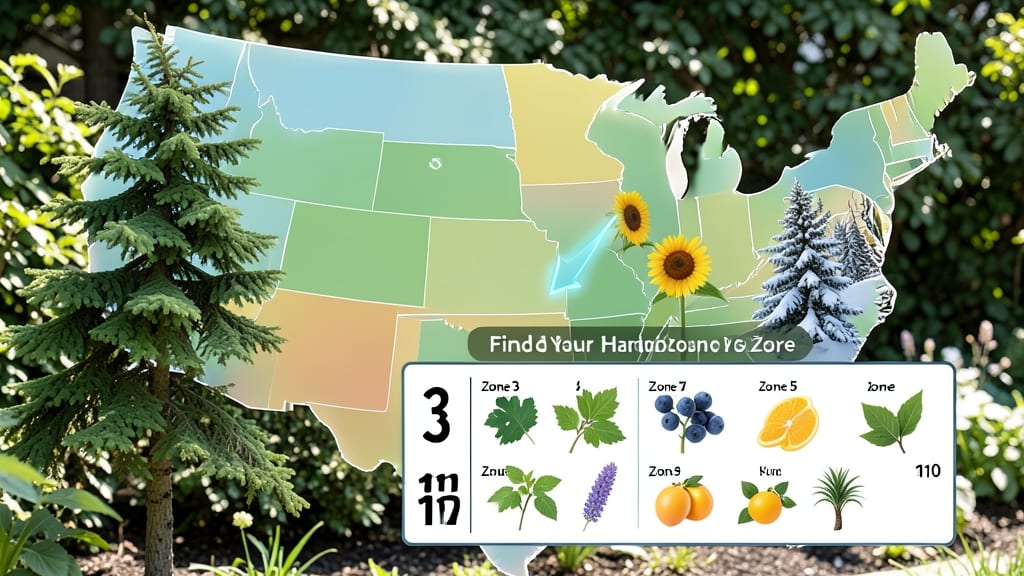
To find your gardening zones by zip, use the USDA Plant Hardiness Zone Map by entering your location, which reveals your 5-11 zone range (like Zone 7a) based on coldest winter temperatures. This zone tells you which plants can survive year-round in your area.
Understanding your gardening zones by zip helps you select plants that thrive in your climate without guesswork. The USDA map divides the U.S. into 13 zones based on average annual minimum temperatures, with each zone further split into "a" and "b" subzones for precision.
For example, a Zone 6b area has colder winters than Zone 7a, meaning you'd choose hardier perennials for the former. Microclimates—like sunny south-facing walls—can even shift your effective zone by one level, so always test plants in multiple spots before committing. 🌱
Beyond the official USDA tool, apps like GardenZonist let you search by zip code or address for instant results, while local nurseries often provide zone maps tailored to your region.
Pro tip: If you live near a mountain or large body of water, your zone might differ from what the map shows—elevation and water bodies create unique microclimates that affect plant survival. Always verify with multiple sources to avoid costly mistakes.
💡 In This Article
- How USDA Plant Hardiness Zones Determine Plant Survival
- Step-by-Step Guide to Locating Your Zip Code Zone Online
How USDA plant hardiness zones determine plant survival
The USDA Plant Hardiness Zone Map relies on average annual minimum temperatures—the coldest temperatures plants are likely to encounter in your area.
Each zone represents a 10°F range, with Zone 1 being the coldest (-60°F to -50°F) and Zone 11 the warmest (40°F to 50°F).
For example, a plant labeled "Zone 5-9" can survive winters where temperatures don’t drop below -20°F but won’t tolerate Zone 1’s extreme cold. This system is based on 30 years of historical weather data, ensuring accuracy for long-term gardening success.
Frost-free days also play a critical role. Zones with longer growing seasons (like Zone 10) allow tropical plants to thrive, while shorter seasons in Zone 4 require faster-maturing varieties. The map accounts for these variations by adjusting zones based on elevation and microclimates.
For instance, a backyard near a lake might be Zone 6b, but a hillside 500 feet higher could drop to Zone 5a. Even urban areas can vary—concrete and buildings trap heat, creating pockets that might support Zone 7 plants in an otherwise Zone 6 region. 🌡️
Plant selection hinges on these zones. A Zone 7a gardener can safely grow roses (hardy to -10°F) but should avoid citrus trees, which need Zone 9+ protection.
The USDA’s "a" and "b" subzones add precision: Zone 7a’s -10°F to 0°F range is colder than Zone 7b’s 0°F to 10°F. This distinction matters for perennials like lavender, which thrives in Zone 7b but may struggle in Zone 7a’s harsher winters.
Microclimates further complicate—and enhance—gardening possibilities. A south-facing wall can add 1-2 zones’ worth of warmth by absorbing sunlight, while a shady spot might mimic a cooler zone. Wind exposure, soil type, and even roof overhangs create these localized differences.
For example, a Zone 5 garden might safely grow peonies (hardy to -20°F) in sheltered beds but lose them in exposed areas. Testing plants in multiple spots before committing helps you exploit these microclimates effectively.
Elevation adjustments are another key factor. For every 1,000 feet gained, temperatures drop by about 3.5°F. A Zone 8 valley could become Zone 6 at 4,000 feet, drastically altering what you can grow.
The USDA map accounts for this with elevation-based overlays, but local nurseries often provide tailored advice. Always cross-reference the official map with regional resources to avoid planting failures. 🌿
What most gardeners overlook is how zones interact with plant hardiness ratings. While the USDA map focuses on survival, plants also need suitable growing conditions. A Zone 7 tomato might survive winter but struggle to ripen in a short-season climate.
Pairing zone data with first/last frost dates (available from local agricultural extensions) ensures you choose plants that thrive and produce in your specific conditions.