
Planting
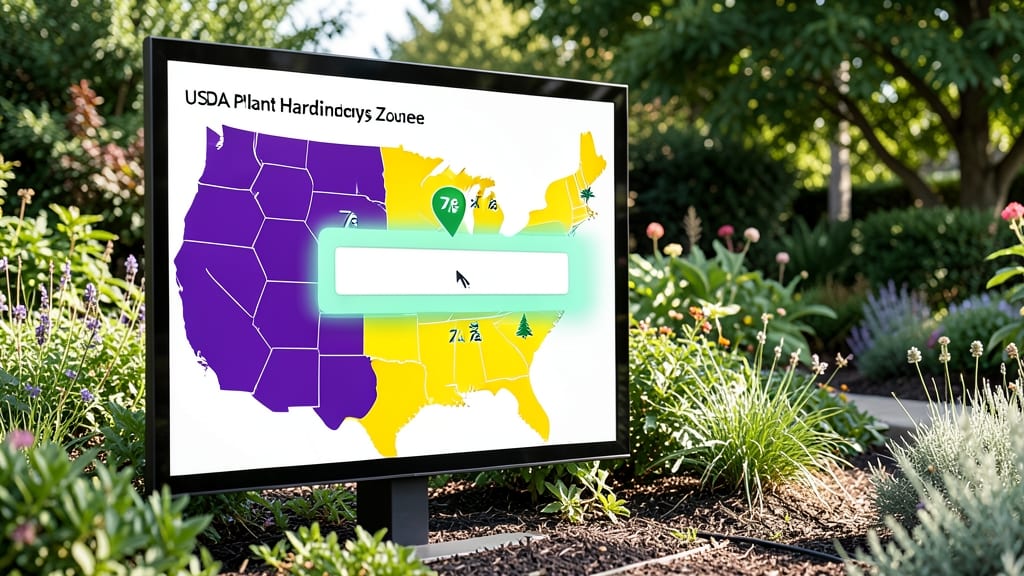
Finding your gardening zone by zip code reveals your USDA Plant Hardiness Zone, a system that classifies locations from 1 (coldest) to 13 (warmest) based on average winter temperatures. This zone determines which plants will survive year-round in your climate. Use the USDA Interactive Plant Hardiness Zone Map to input your zip code and discover your specific zone for optimal planting success.
Your gardening zone by zip code isn't just a number—it's a guide to what your soil and climate can support. The USDA system uses 30-year averages of the coldest winter temperatures to create these zones, helping you avoid frost damage and choose plants that thrive in your specific conditions.
For example, Zone 5 gardeners can grow hardy perennials like coneflowers, while Zone 9 gardeners might opt for citrus trees that would freeze in colder climates. 🌱
What makes this system so valuable is how it accounts for regional microclimates. A backyard in a valley might be one zone, while a hillside just 500 feet higher could belong to a colder zone.
That's why I always recommend checking multiple nearby locations on the USDA map—it could mean the difference between a thriving garden and struggling plants. The interactive tool even shows you planting dates and frost-free periods tailored to your exact location.
💡 In This Article
- How USDA Plant Hardiness Zones Work
- Finding and Using Your Gardening Zone Correctly
How USDA plant hardiness zones work
The USDA Plant Hardiness Zone Map divides North America into 13 zones based on the average annual minimum temperature over a 30-year period.
Each zone represents a 10°F difference—for example, Zone 5 ranges from -20°F to -10°F, while Zone 9 spans 20°F to 30°F. This system helps gardeners predict which plants can survive winter's coldest nights, as most plants die when exposed to temperatures 5-10°F colder than their hardiness rating. 🌡️
Here's how the science works: The USDA uses data from thousands of weather stations to calculate these averages. For instance, in Zone 6, the coldest winter night typically drops to -10°F to 0°F, while Zone 10 rarely sees temperatures below 30°F to 40°F.
What's fascinating is how this aligns with plant biology—most deciduous trees and perennials enter dormancy when temperatures fall below 40°F, but their cells can only tolerate so much freezing before ice crystals rupture them.
Microclimates add another layer of complexity. A south-facing wall can create a Zone 8 microclimate in a Zone 7 yard, while a low-lying area might experience 2-5°F colder temperatures. Even urban areas can be 5-10°F warmer than rural zones due to heat absorption from buildings and pavement.
That's why I always recommend testing your garden's specific conditions by monitoring temperatures with a minimum thermometer for a full winter season.
Why does this matter for plant survival? The key is understanding a plant's chilling requirement—the number of hours below 45°F it needs to break dormancy. For example, peach trees require 500-800 hours of chilling, while citrus needs 0-200 hours.
Planting a peach tree in Zone 10 would leave it perpetually dormant, while citrus would struggle in Zone 5's harsh winters. The zone map helps avoid these mismatches by matching plants to climates where they'll thrive year-round.
For gardeners, this means selecting plants with hardiness ratings at least one zone warmer than your location. A Zone 6 gardener could safely grow Zone 5 plants but should avoid Zone 7 perennials that might get damaged by occasional -15°F dips.
The USDA's half-zone system (like 6a vs. 6b) further refines this by adding 5°F increments, helping you make more precise choices for your specific microclimate.