
Blooming
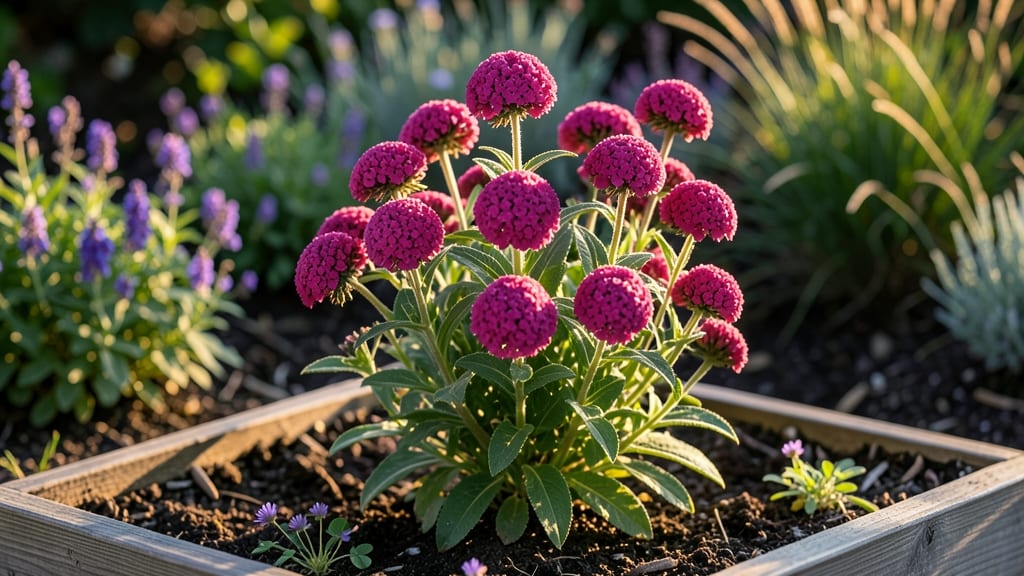
Garden phlox blooms in mid-to-late summer 🌸, turning your garden into a riot of color from July through August — but the exact timing depends on where you live and which variety you grow.
Picture this: you’ve spent months nurturing your phlox, only to wonder why your neighbors’ plants are bursting with blooms while yours is still putting on leaves. The answer lies in your climate, sunlight, and even the specific type of phlox you’ve planted.
In cooler regions like USDA Zone 6, blooms often arrive a little later, stretching into early September. Meanwhile, heat-loving varieties might peak in June, especially if planted in full sun. Below, we’ll break down how to predict your phlox’s bloom window and keep those flowers coming all season.
Whether you’re a first-time gardener or a seasoned pro, knowing the right timing can mean the difference between a showstopping summer display and a garden that feels like it’s playing catch-up. Let’s get into the details.
Garden phlox blooming timeline: months, regions, and varieties explained
Understanding when your garden phlox blooms depends on three key factors: your USDA hardiness zone, the specific variety you've planted, and your local microclimate.
In my Zone 5 garden, phlox typically bursts into color from mid-July to early September, but coastal gardens in Zone 8 may see blooms as early as June. Let’s break down these timelines so you can plan your garden’s summer spectacle with confidence.
The first step is identifying your hardiness zone—this determines your average last frost date, which directly impacts bloom timing. For example, phlox in Zone 3 often blooms 2-3 weeks later than in Zone 7 due to cooler springs.
Meanwhile, coastal regions with milder winters may see earlier blooms, sometimes starting in late May or June. Always check your local microclimate, like urban heat islands or sheltered valleys, which can shift bloom windows by 1-2 weeks.
Tall garden phlox (like Phlox paniculata) typically blooms 2-3 weeks later than dwarf varieties (such as Phlox subulata). Tall phlox often peaks in late July to August, while dwarf creeping phlox may start as early as May or June in warmer zones. Annual phlox varieties, like Phlox drummondii, follow a spring-to-early summer timeline, blooming from April to June before fading with heat. Knowing these differences helps you mix varieties for a prolonged summer display.
Here’s a quick reference for bloom timing by zone and variety type, including how regional climate affects your expectations:
| USDA Zone | Variety Type | Typical Bloom Window | Coastal Adjustment | Inland Adjustment |
|---|---|---|---|---|
| 3-4 | Tall Phlox | Late July–Early Sept | 1-2 weeks earlier | 1-2 weeks later |
| 5-6 | Dwarf Phlox | Mid-June–Late July | Early June–Mid-July | Late June–Early Aug |
| 7-8 | Annual Phlox | April–June | March–May | May–July |
| 9 | Creeping Phlox | May–July | April–June | June–August |
If you’re in a coastal climate, expect your phlox to bloom 1-3 weeks earlier than inland gardens at the same latitude.
For example, San Francisco (Zone 9) sees creeping phlox bloom as early as April, while Phoenix (Zone 10) may have annual phlox flowering from February to April.
Inland areas, especially those with hot summers, might see phlox bloom later in the season or even experience heat-induced dormancy if temperatures exceed 90°F.
Another factor to consider is soil temperature. Phlox roots need consistent soil temps above 50°F to trigger blooming. In cooler zones like Zone 4, wait until late May or early June before expecting color.
To encourage earlier blooms, mulch around the base of your phlox in early spring to warm the soil faster. I’ve seen a 2-week difference in bloom timing just by adjusting mulch depth!
For second flushes of blooms, focus on deadheading spent flowers and providing consistent moisture. In my garden, tall phlox varieties often produce a second bloom cycle in September if I prune back 1/3 of the plant height after the first flush.
This technique works best in Zones 5-8, where summers aren’t extreme. In hotter climates (Zone 9+), phlox may struggle with heat stress and produce fewer blooms without afternoon shade.
Local microclimates can also shift bloom timing dramatically. For instance, a north-facing slope might delay blooms by 2-3 weeks compared to a south-facing bed. If your garden has urban heat islands, phlox may bloom earlier but fade
How to extend your phlox blooming season: pruning, deadheading, and care tips
Your garden phlox can bloom for weeks, but with the right care, you can stretch that showstopping display into months. The secret lies in strategic pruning and consistent deadheading—two techniques that trick your phlox into producing second and even third flushes of flowers.
I’ve found that timing these tasks correctly can add 3-4 extra weeks of vibrant blooms to your summer garden.
Start by understanding your phlox’s natural bloom cycle. Most varieties produce their first flush of flowers in late June to early July, with a second wave appearing in late August to September if cared for properly.
The key is to act before the first blooms fade—this prevents the plant from wasting energy on seed production and redirects it toward new growth.
🌸 5 Pro Tips to Extend Phlox Blooms
- 📅 Prune after first frost: Cut back 1/3 of stems in early spring to encourage new growth and longer stems.
- ✂️ Deadhead daily: Snip spent blooms at the first node below the flower to prevent seed heads.
- 💧 Water deeply weekly: 1-1.5 inches of water at soil level prevents stress-induced dormancy.
- 🌿 Fertilize lightly: Use 10-10-10 fertilizer every 6 weeks during active growth.
- ☀️ Provide afternoon shade: In hot climates, protect from intense afternoon sun to prevent wilting.
Deadheading is the simplest way to keep your phlox blooming. As soon as a flower cluster starts to fade, use clean bypass pruners to snip the stem just above the first set of leaves below the bloom.
This encourages the plant to produce new side shoots, which will quickly develop into additional flower buds. I’ve seen phlox plants that would’ve been done in 3 weeks continue blooming for 8 weeks with consistent deadheading.
Pruning isn’t just for extending blooms—it’s also about maintaining plant health. After your phlox finishes its second flush in late summer, cut back the stems by half their height to remove any diseased or damaged foliage.
This rejuvenates the plant and helps it store energy for next year’s growth. For woody-stemmed varieties, like Phlox paniculata, you can even prune them down to 6 inches in early spring for a fuller, bushier plant.
Don’t overlook the importance of soil health and fertilization. Phlox thrives in well-draining, slightly acidic soil (pH 6.0-7.0). Before planting, amend your soil with compost or aged manure to provide essential nutrients.
During the growing season, apply a balanced fertilizer every 4-6 weeks, but avoid over-fertilizing—this can lead to leafy growth at the expense of flowers. A light feeding in early summer gives your phlox the boost it needs for that second bloom cycle.
Finally, watch your watering schedule. Phlox needs consistent moisture, especially during hot, dry periods. Water deeply once a week (or more in extreme heat) to encourage strong root development.
Avoid wetting the foliage to prevent fungal diseases like powdery mildew, which can stunt blooms and weaken stems. Early morning watering is ideal—it gives the plant time to dry out during the day.
With these techniques, your garden phlox will reward you with longer, more abundant blooms all season long. The extra effort pays off when your garden bursts with color from June through September—making your phlox the star of the show! 🌸