
Blooming
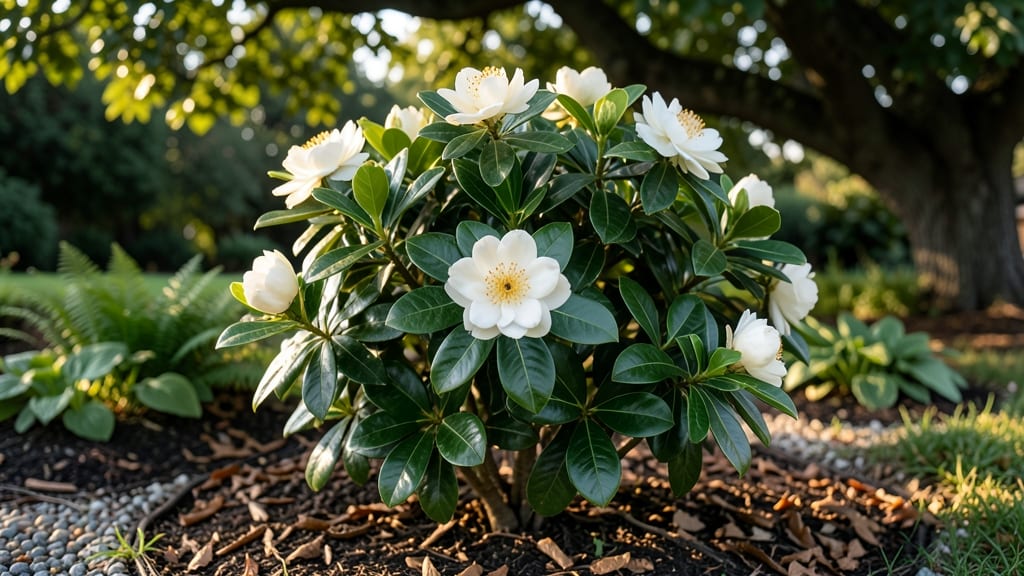
Gardenia bushes bloom in late spring through summer, with timing that depends on your climate and care routine.
The intoxicating scent of gardenia flowers isn’t just a dream—it’s a seasonal reality for gardeners who know the perfect timing. But when exactly should you expect those fragrant blooms to appear in your garden?
In USDA Zone 6a, where most gardeners plant in spring, buds typically form by June and open fully by July, filling your yard with their signature fragrance. However, warmer climates can push blooms earlier, while cooler regions might delay them until August.
Here’s what you’ll discover: how to read your gardenia’s signals, the care tweaks that trigger earlier blooms, and why pruning after flowering keeps your bush producing year after year.
Gardenia blooming seasons: month-by-month breakdown by climate Zone
Timing your gardenia blooms depends entirely on your climate zone. These fragrant shrubs thrive in warm regions but adapt beautifully with proper care in cooler areas. Whether you're in tropical Florida or temperate California, knowing your local bloom window helps you plan for their most aromatic displays.
In tropical zones (10-12), gardenias often bloom year-round with peak seasons during spring and fall. Meanwhile, gardeners in subtropical zones (9-10) typically see blooms from late spring to early summer. For temperate zones (6-8), the show usually starts in late spring and continues through summer.
Here's a month-by-month breakdown to help you anticipate those sweetly scented blooms based on your location:
In tropical climates, gardenias often produce blooms year-round, with spring and fall showing the most abundant flowers. The warm, consistent temperatures create perfect conditions for continuous blooming. I've seen gardenias in Florida and Hawaii maintain fragrant flowers from March through November with proper care.
For subtropical zones like southern California or coastal Georgia, the primary bloom window shifts to late spring when temperatures stabilize above 60°F. These regions often experience a secondary bloom in early fall as temperatures begin to cool again.
I recommend fertilizing in early spring to encourage robust growth before the first flush of flowers.
Gardeners in temperate zones (USDA 6-8) typically see their gardenias burst into bloom in late spring, with peak fragrance during June and July. In my Zone 7 garden, I've found that providing afternoon shade extends the bloom season into early August.
The key is protecting them from hot afternoon sun that can stress the plants.
If you live in colder climates (USDA 5-6), gardenias may only bloom reliably in mid to late summer. These regions require container gardening or heavy winter mulching to protect roots.
I've had success growing gardenias in Zone 5 by potting them and moving them to a garage or sunroom during winter months.
Regardless of your climate, gardenias need well-draining, acidic soil (pH 5.0-6.5) to thrive. I always test my soil before planting and amend it with peat moss or sulfur if needed. This simple step makes a huge difference in bloom quality and plant health.
For gardeners in cooler regions, consider choosing hardier varieties like 'Kleim's Hardy' or 'Radicans'. These cultivars tolerate slightly cooler temperatures and may produce blooms even in
How to trigger earlier or longer gardenia blooms with simple care tips
If you’ve ever inhaled the rich, creamy fragrance of a gardenia bloom and wished it lasted longer—or appeared earlier in the season—you’re not alone.
With a few strategic adjustments to your care routine, you can coax your gardenia bushes into producing earlier blooms or prolonged fragrance that fills your garden for weeks. The secret lies in understanding how these tropical beauties respond to light, nutrients, and pruning.
Gardenias naturally bloom in late spring to early summer, but their timing can shift dramatically with the right care. By mimicking their native tropical conditions—like bright indirect light, acidic soil, and consistent moisture—you can encourage buds to form weeks ahead of schedule.
Even small tweaks, like adjusting your fertilization schedule or pruning strategy, can transform a single burst of blooms into a continuous display of fragrant white flowers.
- 💡 Boost sunlight to 6 hours/day in morning only to prevent heat stress.
- ✂️ Prune after blooming to remove spent flowers and encourage new wood growth.
- 💧 Water deeply in morning only to avoid fungal diseases that stunt blooms.
- 🌿 Fertilize with acid-loving 10-10-10 NPK every 4-6 weeks during growing season.
- 🌡️ Maintain soil pH between 5.0-6.5 using sulfur or peat moss.
One of the most effective ways to trigger earlier blooms is by providing your gardenia with the right amount of light exposure. These plants thrive in partial shade, but they need at least 4-6 hours of morning sunlight to set buds.
If your gardenia isn’t blooming when expected, check if it’s receiving afternoon shade—too much direct sun can cause buds to drop. Position your plant near an east-facing window or under a dappled shade tree to create the ideal balance.
Pruning plays a crucial role in extending bloom time. Always prune your gardenia right after flowering to remove dead or dying branches. This encourages the growth of new wood, which is where next year’s blooms will form.
Avoid heavy pruning in late summer or fall, as this can delay bud formation for the following season. Use clean, sharp shears to make cuts just above a leaf node, and always disinfect your tools to prevent disease.
Fertilization is another key factor in prolonging gardenia blooms. These plants love acidic, nutrient-rich soil, so feed them with a balanced, acid-loving fertilizer like a 10-10-10 NPK blend every 4-6 weeks during the growing season.
Start fertilizing in early spring to support new growth, and continue through summer. In fall and winter, reduce or stop fertilizing entirely, as gardenias enter a dormant phase and don’t need extra nutrients.
Finally, consistent watering is non-negotiable for fragrant, long-lasting blooms. Gardenias hate dry soil but despise waterlogged roots even more. Water deeply in the morning to give the soil time to dry slightly before nightfall, reducing the risk of fungal diseases like powdery mildew.
During hot summer months, you may need to water every 2-3 days, while fall and winter watering can be reduced to once a week.
With these simple adjustments, your gardenia can reward you with earlier, longer-lasting blooms that fill your garden with their signature fragrance. The key is consistency—provide the right light, nutrients, and care, and your gardenia will thrive, blooming like a dream. 🌿