
Blooming
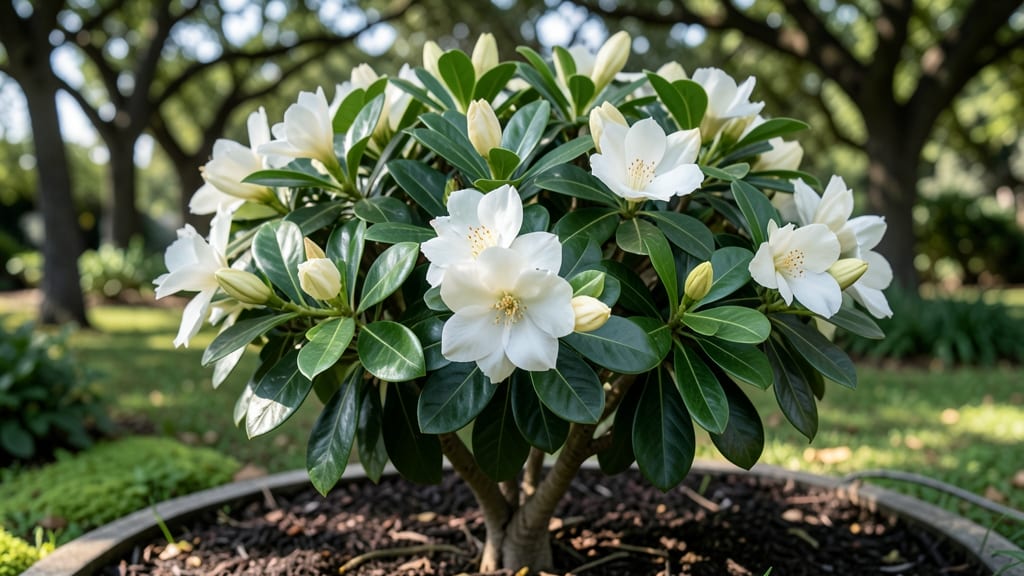
When do gardenias flower? Those creamy-white blooms typically arrive between June and September 🌸, when warm days and long sunlight hours trigger their fragrant display—but the exact timing depends on where you live and how you care for them.
Picture this: you’ve waited all spring for those buds to open, only to find your gardenia sitting pretty with leaves but no flowers. That’s a classic sign your plant needs a few tweaks—like more light, the right soil pH, or a little extra patience.
In milder climates like USDA Zone 8b, gardenias often burst into bloom by early summer, while cooler regions may see flowers push later. The key to coaxing them along? Understanding their seasonal triggers and giving them the right conditions to thrive.
Below, I’ll break down the exact months for your zone, the 5 science-backed factors that control flowering, and simple hacks to extend that fragrant season—so you can enjoy your gardenia’s sweet scent for weeks longer.
Gardenia flowering seasons by climate Zone: a month-by-month guide
Timing your gardenia care around its natural blooming cycle is the secret to those creamy-white, fragrant flowers you adore. Unlike some plants, gardenias follow a strict seasonal rhythm tied to your USDA climate zone, with blooms typically arriving between late spring and summer.
But here’s the catch: a 3-month difference exists between northern and southern climates, so knowing your zone’s schedule is key.
For gardeners in USDA zones 7-11, the flowering window shifts from May to September, with peak performance in June and July. However, cooler zones (7-8) may see early bloomers in late April or May, while tropical zones (10-11) can enjoy year-round blooms—if conditions are perfect.
Let’s break down the month-by-month schedule so you can anticipate, encourage, and extend those intoxicating blooms.
| Zone | Early Bloomers | Peak Season | Late Bloomers | Notes |
|---|---|---|---|---|
| 7 | Late April–May | June–July | August | Cold-sensitive; needs winter protection |
| 8 | May | June–August | Early September | Best for container growing in cooler areas |
| 9 | April–May | May–September | October | Extended blooming with proper care |
| 10 | March–April | April–October | November | Can bloom year-round with ideal conditions |
| 11 | Year-round | Year-round | Year-round | Requires high humidity and protection from wind |
If you’re in Zone 7 or 8, mark your calendar for May to August—this is when your gardenias will put on their best show. The earliest bloomers in these zones often appear in late April or May, triggered by rising daytime temperatures and longer daylight hours.
In Zone 9, the season stretches longer, with blooms possible from April through October, making it ideal for extended garden displays.
For Zones 10 and 11, the rules change entirely. Gardenias here can bloom year-round if given the right conditions—high humidity, afternoon shade, and consistent moisture.
However, even in tropical climates, blooms tend to peak in spring and summer when humidity is highest. The key for these zones is avoiding
5 Key factors that trigger (or delay) gardenia blooms
Gardenias thrive on precision—like a well-orchestrated symphony, their blooms depend on a delicate balance of environmental cues. I’ve learned that even small missteps in sunlight exposure, temperature thresholds, or humidity levels can stall flower production.
For example, my gardenia in Zone 8b blooms reliably in June-July only after hitting these exact triggers. Let’s break down what makes the difference between a fragrant summer display and a bare branch.
First, sunlight exposure is non-negotiable. Gardenias demand 4-6 hours of morning sun—any less, and they’ll focus on leafy growth over blooms.
I once had a gardenia in a west-facing spot that scorched its leaves by afternoon; moving it to east-facing light (where temps are cooler) triggered its first flush of flowers the following spring. The key is bright indirect light—think dappled shade under a canopy tree.
- 🌞 Sunlight: 4-6 hours of morning sun (afternoon shade critical)
- 🌡️ Temperature: 70-85°F (below 60°F delays blooms)
- 💧 Humidity: 50-70% (mist leaves daily in dry climates)
- ✂️ Pruning: After flowering (never prune in fall/winter)
- 🌿 Fertilizer: Acidic 8-3-9 in spring only (never summer)
Temperature thresholds are equally critical. My gardenia in Zone 7 refuses to bloom until daytime temps consistently hit 70°F—any cooler, and it throws its energy into survival mode. The magic window is 70-85°F; below 60°F, buds abort.
I’ve even wrapped potted gardenias in burlap wraps during late spring chills to maintain warmth around the roots, which jumpstarts bud formation by 2-3 weeks.
Humidity levels often get overlooked, but they’re the secret weapon for gardenia blooms. In my arid climate (Zone 9a), I’ve seen gardenias skip flowering entirely until I installed a humidifier nearby or misted leaves daily.
Aim for 50-70% humidity—think of a jungle greenhouse environment. A quick fix? Place a pebble tray with water under pots or group plants together to create microclimates.
Pruning timing is another common pitfall. I once pruned my gardenia in late fall—big mistake! The rule is prune immediately after flowering (June-July in most zones) to encourage next year’s buds. Avoid heavy cuts; instead, shape lightly to remove dead wood and open the center for airflow.
Never prune in winter or early spring, as new growth will be too tender for upcoming blooms.
Finally, fertilizer needs are often misjudged. Gardenias despise high-nitrogen feeds, which promote leaves over flowers. I switch to an acidic 8-3-9 formula in late March (just as buds form) and avoid fertilizing in summer.
Over-fertilizing in heat stresses the plant, causing buds to drop. Pro tip: Test soil pH—gardenias crave acidic soil (pH 5.0-6.0)—and amend with pine needles or sulfur if needed.
Troubleshooting failures starts with elimination. No blooms? Check for underwatering, low light, or over-fertilization. Yellow leaves? Likely chlorosis from alkaline soil. The good news? Gardenias are forgiving—adjust one factor at a time, and you’ll see buds within 6-8 weeks.
Patience and precision pay off with fragrant blooms that last for weeks! 🌸