
Fertilization
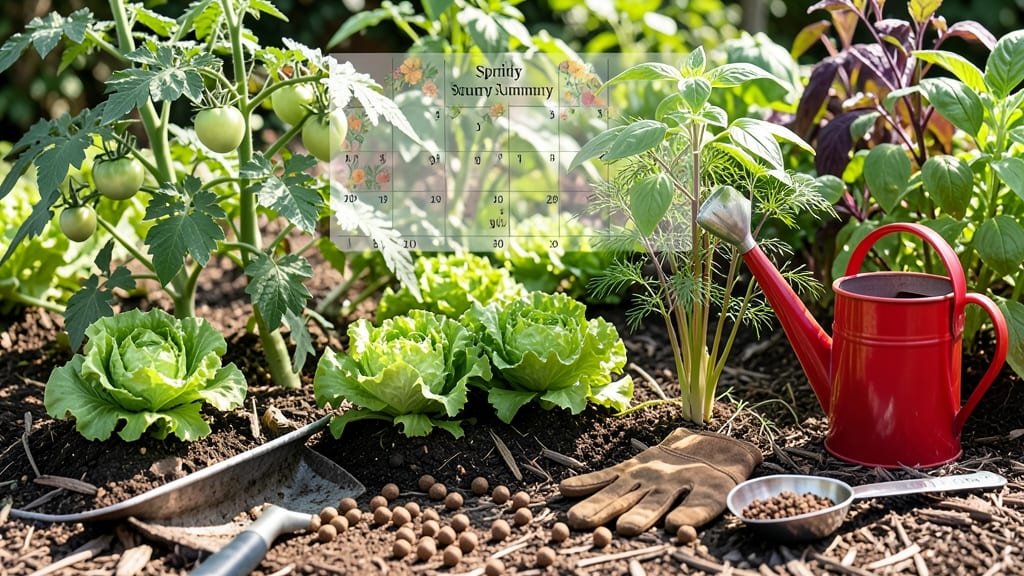
Should you fertilize your garden depends entirely on the season, plant type, and growth stage—but getting it wrong can leave your plants starving or scorched. Most gardeners wait until the soil looks "tired," but the best results come from feeding plants at the right moments, not just when they look stressed.
Think of fertilization like a meal plan: too early, and you waste nutrients; too late, and your plants miss their growth window. For example, leafy greens like spinach need nitrogen-rich food early in the season, while tomatoes and peppers benefit from a phosphorus boost right before flowering.
Ignore these cues, and you might end up with lush leaves but no fruit.
This guide breaks down the exact timing for fertilizing your garden by plant type and climate zone, so you never over- or under-feed again.
Whether you're dealing with cool-season crops in spring or heat-loving veggies in summer, we’ll cover when to feed, what to use, and how to spot the signs your plants are hungry.
Ready to stop guessing and start growing? Let’s dive into the seasonal schedule that will transform your garden from "meh" to "wow" in just a few feedings.

Seasonal fertilization schedule: best times by climate zone
Fertilizing your garden at the right time ensures your plants get the nutrients they need without wasting resources or burning foliage. The best fertilization windows depend on your USDA hardiness zone, local climate, and plant types.
For most gardeners in zones 3-10, spring and summer are prime feeding times, while tropical/subtropical regions may have year-round opportunities with adjusted timing.
In cooler climates like zones 3-6, focus on early spring fertilization to jumpstart growth before the last frost. Warmer zones (7-10) can extend feeding into late fall for heat-loving crops.
The key is aligning fertilization with your plants' natural growth cycles—pre-planting, mid-season, and post-harvest—while avoiding dormant periods when roots aren't actively absorbing nutrients.
Here’s a quick reference for when to fertilize based on your climate zone and seasonal cues:
For cool-season crops like lettuce and peas in zones 3-6, I recommend a balanced fertilizer (10-10-10) in early spring, followed by a nitrogen boost (20-0-0) when leaves emerge. Warm-season plants like tomatoes and peppers thrive with phosphorus-heavy feeds (5-10-10) at planting and potassium-rich fertilizers (0-0-50) when flowering begins.
In tropical/subtropical zones (10+), where growing seasons overlap, I switch to a slow-release organic fertilizer every 6-8 weeks to prevent nutrient runoff during heavy rains.
Container gardens in these zones may need monthly liquid feeds due to limited soil volume. Always water deeply after fertilizing to help nutrients reach roots.
Pay attention to soil temperature—roots absorb nutrients best when soil is above 50°F (10°C). In colder zones, wait until soil warms before applying fertilizer.
For organic gardeners, compost tea or fish emulsion in early spring provides a gentle nutrient kick, while synthetic fertilizers offer faster results for mid-season boosts.
Post-harvest fertilization in fall focuses on soil replenishment rather than plant growth. I use a low-nitrogen, high-phosphorus mix (like bone meal) to strengthen root systems of perennials and bulbs preparing for winter.
In zones 7-10, a light application of worm castings in late fall improves soil structure for next year’s planting.
Remember: Less is often more. Over-fertilizing can lead to leaf burn, root damage, or even algae blooms in nearby water sources. Always follow package instructions and adjust based on your soil test results.
If your plants show signs of yellowing leaves or stunted growth, it might be time for a mid-season feed—but first check your soil’s pH and nutrient levels.
🌱 For container gardens, fertilize twice as often as in-ground plants since nutrients leach out faster. Use a water-soluble fertilizer every 2-3 weeks during the growing season, and reduce frequency in winter months. Mulching with compost or straw helps retain moisture and nutrients between feedings.
Fertilizing by plant type: vegetables, flowers, and perennials explained
Not all plants have the same fertilization needs—what works for leafy greens like spinach can burn root vegetables like carrots. Understanding these differences lets you feed your garden precisely when and how it needs it most.
I’ve broken down the key triggers for fertilizing annual vegetables, flowering plants, and perennials so you can avoid over- or under-feeding.
For vegetables, timing depends on their growth habits. Leafy greens like lettuce and kale thrive with high-nitrogen fertilizer early in the season, while root crops like potatoes and beets need a phosphorus boost when tubers form.
Fruiting plants like tomatoes and peppers, however, demand balanced NPK ratios during flowering and fruiting stages.
When Should I Fertilize My Garden?
- Early Spring: Pre-planting for annuals (March-April)
- Transplanting: Boosts root growth for vegetables and flowers
- Flowering Stage: Supports blooms with phosphorus
- Fruiting Stage: Balanced NPK for tomatoes/peppers
- Dormant Season: Avoid fertilizing perennials in winter
- Over-Fertilizing: Burns roots if applied too early
- Leafy Greens Late: Excess nitrogen causes bolting
- Root Crops Early: Too much nitrogen = smaller tubers
Flowering plants like roses and petunias need a different approach. They benefit from a phosphorus-rich fertilizer when buds form, but too much nitrogen can lead to lush foliage with few blooms. I recommend applying a balanced 10-10-10 fertilizer when you see buds swelling, then switch to a low-nitrogen formula during peak bloom.
Perennials are the easiest to manage because they establish deep root systems over time. For established perennials like lavender or coneflowers, I fertilize lightly in early spring with compost or a slow-release granular. Newly planted perennials, however, need a phosphorus kick at transplanting to encourage root development.
For container gardens, timing is even more critical. Since roots have limited space, I fertilize every 2-3 weeks with a water-soluble fertilizer during the growing season. The key is consistency—never let containers dry out completely between feedings, or you’ll stress the plants.
Remember, soil tests are your best friend. If your soil is already rich in nutrients, you might only need a light top-dressing of compost. But if it’s deficient, follow the plant-specific triggers I’ve outlined here to keep your garden thriving all season long. 🌱🌿🌼