
Fertilization
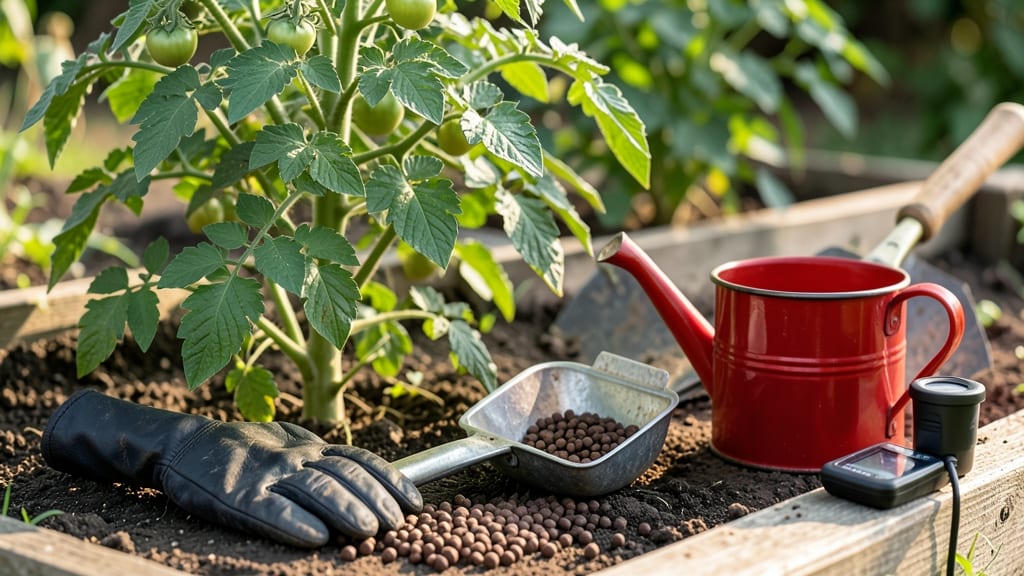
To fertilize your garden effectively, time it by crop type and soil health: use slow-release fertilizer in early spring before planting, apply a mid-season boost for flowering plants, and conduct annual soil tests to adjust nutrient timing—especially for deficiencies like nitrogen or phosphorus.
Timing matters because plants absorb nutrients differently at various growth stages. 🌱 For example, leafy greens like spinach need nitrogen-heavy feeds early in the season, while tomatoes benefit from phosphorus-rich fertilizer when they start flowering.
I always start with a soil test to avoid overdoing it—too much fertilizer can burn roots or pollute groundwater. Organic options like composted manure or bone meal let you fine-tune applications based on what your plants actually need.
Most gardeners make the mistake of fertilizing at random times, which wastes nutrients and money. The key is matching fertilizer types to your plants' needs—like using a balanced 10-10-10 mix for general garden use or a high-phosphorus formula when planting bulbs.
Even better, I've found that mulching after fertilizing helps lock in nutrients and reduces watering needs.
💡 In This Article
- How Soil Testing Determines Fertilizer Timing
- Seasonal Fertilizer Schedule by Plant Type
How soil testing determines fertilizer timing
Soil testing reveals the natural nutrient cycles at work in your garden. Plants primarily need three macronutrients—nitrogen (N), phosphorus (P), and potassium (K)—but their availability depends on soil microbes, organic matter, and pH balance.
For instance, nitrogen-loving crops like corn or lettuce need readily available N, while phosphorus-heavy fertilizers support root development and flowering, like tomatoes need when buds appear. A soil test measures these ratios and tells you exactly what your plants are missing or have in excess.
The pH level of your soil directly impacts nutrient absorption. Most plants thrive in slightly acidic to neutral soil (pH 6.0-7.0), where nutrients like iron and manganese become plant-available.
If your test shows pH below 6.0, you'll need to add lime to raise it before applying phosphorus-heavy fertilizers, as acidic conditions lock phosphorus out of plant reach. Conversely, high-pH soils (above 7.0) may require sulfur to acidify the soil before nitrogen fertilizers can work effectively.
This is why I always adjust pH first—it's the foundation for everything else.
Test results also dictate whether to use organic or synthetic fertilizers. Organic options like composted manure or bone meal release nutrients slowly, which is ideal for building soil health over time. Synthetic fertilizers, however, provide immediate NPK boosts—perfect for correcting deficiencies mid-season.
For example, if your test shows low phosphorus, a quick application of 10-20-10 synthetic fertilizer can jumpstart flowering, while organic options like rock phosphate take longer but improve long-term soil structure.
Timing matters because plants absorb nutrients at different rates. Leafy greens, like spinach or kale, need nitrogen early in the season to fuel rapid growth, while fruiting plants, like peppers or eggplants, benefit from phosphorus-rich feeds when they start setting fruit.
I've found that testing in early spring and again in late summer gives me a clear picture of what my garden needs throughout the growing cycle. This way, I can avoid over-fertilizing, which can lead to nutrient runoff and harm local waterways.
Don't forget about micronutrients like calcium, magnesium, and sulfur—they're often overlooked but critical for plant health. A soil test will show if your garden is deficient in these, which can cause issues like blossom-end rot in tomatoes or yellowing leaves in peppers.
For example, if your test reveals low calcium, adding gypsum or crushed eggshells can remedy the problem without disrupting the soil's natural balance. 🌱
Finally, soil texture plays a role in how quickly nutrients become available. Sandy soils drain fast, so nutrients wash away unless you use slow-release fertilizers or mulch to lock them in.
Clay soils, on the other hand, hold nutrients tightly, meaning you might need to add organic matter to improve drainage and microbial activity. Understanding your soil's texture helps you choose the right fertilizer type and application method for your garden's unique conditions.