
Fertilization
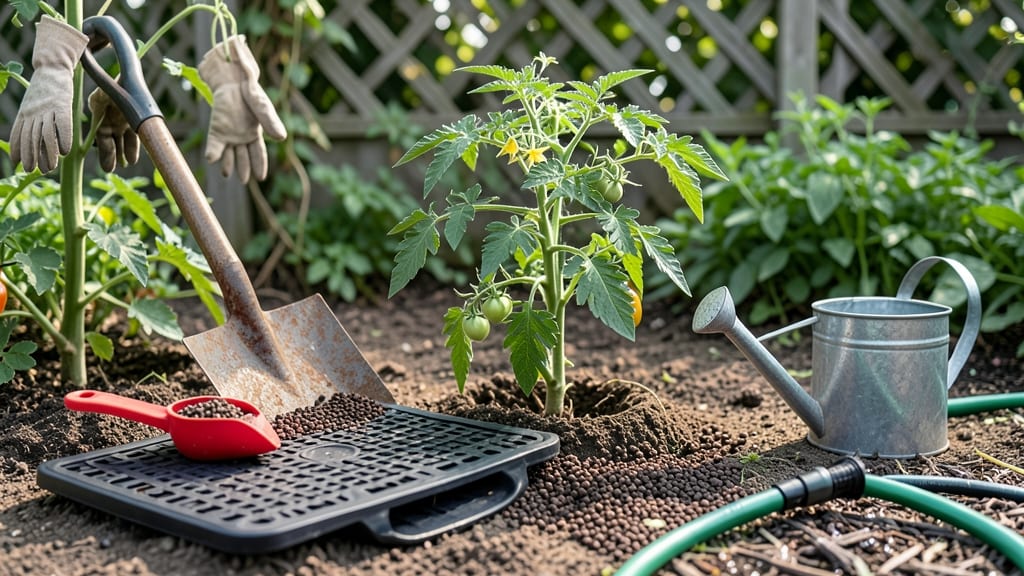
Figuring out how much fertilizer for garden requires checking your soil test results and plant types: start with 1 pound of balanced 10-10-10 fertilizer per 100 square feet for general use, or adjust NPK ratios for vegetables (more nitrogen) and flowers (phosphorus focus). Spread evenly and water deeply after application.
Soil tests reveal the exact nutrient deficiencies your garden faces, which directly impacts how much fertilizer you need. 🌱 For instance, leafy greens like lettuce thrive with nitrogen-heavy mixes, while flowering plants benefit more from phosphorus.
I always recommend testing your soil every 2-3 years to avoid over-fertilizing, which can harm plants and waste money. Organic fertilizers like compost release nutrients slowly, so you'll need to apply them more frequently than synthetic granules.
When applying, use a spreader for even distribution and water immediately afterward to help nutrients penetrate the soil. Over-fertilizing shows up as yellow leaves or white crust on soil, while under-fertilizing results in weak stems and poor flowering.
For vegetables, I split applications into three doses: early spring, mid-summer, and fall for root crops.
💡 In This Article
- Soil Test Results: How to Read NPK Ratios for Fertilizer Application
- Step-by-Step Fertilizer Application Guide by Plant Type
Soil test results: how to read NPK ratios for fertilizer application
NPK ratios (nitrogen-phosphorus-potassium) are the building blocks of plant nutrition, and your soil test results act like a recipe card telling you exactly what your garden needs.
Nitrogen (the first number) fuels leafy growth—think of it as the plant's protein, essential for vegetables like spinach and lettuce that produce abundant foliage.
Phosphorus (the middle number) supports root development and flowering, making it critical for tomatoes and roses, while potassium (the last number) helps with disease resistance and overall vigor.
For example, a soil test showing low nitrogen (below 50 ppm) means you'll need a fertilizer with a higher first number, like 20-5-10, for leafy greens.
Reading soil test results involves understanding three key metrics: pH levels, organic matter percentage, and nutrient availability. A pH between 6.0 and 7.0 is ideal for most plants, but acidic soils (below 6.0) may need lime to adjust before applying fertilizer.
Organic matter percentages below 3% indicate poor soil structure, which affects how well nutrients are absorbed. The test will also show current nutrient levels—if phosphorus is deficient (below 20 ppm), you'll want a fertilizer with a higher middle number, like 10-20-10, for flowering plants.
Synthetic fertilizers release nutrients quickly, while organic options like composted manure provide slow-release nutrition over time.
Matching fertilizer types to your soil's deficiencies prevents waste and ensures plants get exactly what they need. For instance, if your soil test shows high potassium but low nitrogen, a 15-5-10 blend would be perfect for leafy vegetables.
The key is balancing these ratios based on your plants' life stages—young seedlings need more nitrogen for growth, while flowering plants prioritize phosphorus. Over-fertilizing with nitrogen can lead to lush leaves but few fruits, while too much phosphorus may cause stunted growth due to nutrient lockout.
Always follow the soil test's specific recommendations for application rates.
Organic fertilizers, like bone meal (high in phosphorus) or fish emulsion (nitrogen-rich), require different application strategies than synthetic granules. Bone meal, for example, should be worked into the soil at planting time for root crops like carrots, while fish emulsion is best applied as a foliar spray during active growth.
The slow-release nature of organic fertilizers means you'll need to reapply them more frequently—typically every 4-6 weeks—compared to synthetic fertilizers, which may last 8-12 weeks per application. This difference is why organic gardeners often use a combination of compost, worm castings, and targeted organic amendments alongside their NPK fertilizers.
One common mistake is ignoring micronutrients like calcium, magnesium, and sulfur, which soil tests often report separately. These elements, though needed in smaller amounts, play critical roles in plant health—calcium prevents blossom-end rot in tomatoes, while magnesium is essential for chlorophyll production.
If your soil test shows deficiencies in these areas, consider adding dolomitic lime (for calcium and magnesium) or gypsum (for calcium and sulfur) alongside your NPK fertilizer.
The goal is to create a nutrient profile that supports both the immediate needs of your plants and the long-term health of your soil.
For example, if your soil test reveals low phosphorus (10 ppm) and high potassium (300 ppm), you might choose a fertilizer like 10-20-5 for flowering plants, then supplement with compost to improve organic matter.
The key is to think of your soil test as a personalized garden nutrition plan—just like a doctor's prescription, it tells you exactly what your plants need to thrive without overdoing it. This precision not only saves money but also prevents environmental runoff, which can harm local waterways. 🌿