
Picking
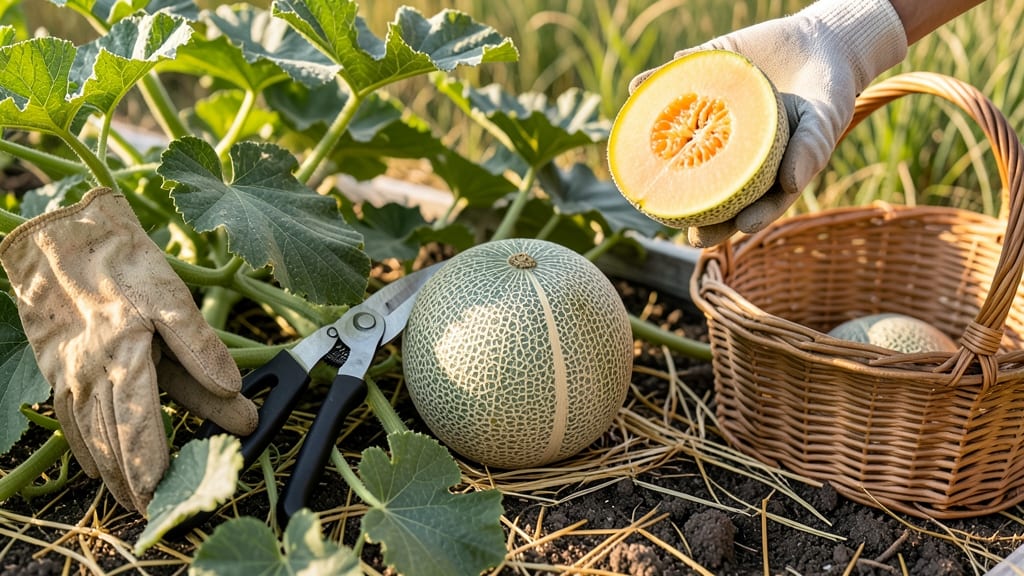
Harvesting cantaloupe from your garden at the right time means the difference between sweet, juicy perfection and bland, seedy disappointment.
Picture this: you’ve nurtured your 🌱 cantaloupe all summer, but how do you know when it’s finally ready? Waiting too long means overripe melons, while picking too soon leaves you with underwhelming flavor.
The key lies in three simple but often overlooked clues—color, scent, and a little "thump test" that takes seconds to master.
Season matters too. In warmer climates, cantaloupes may ripen faster, while cooler regions might need extra patience. I’ll walk you through the exact cues to watch for, plus how to handle tricky situations like early ripening or stubbornly unripe melons.
By the end, you’ll confidently pluck cantaloupes at their peak—no guesswork, no wasted effort. Ready to turn your garden harvest into a sweet success?


3 Unmistakable signs your cantaloupe is perfectly ripe (and when to stop waiting)
There’s nothing worse than biting into a cantaloupe that’s still hard on the inside or overripe and mushy. The key to peak sweetness lies in mastering these three ripeness indicators—because once you miss the window, even the juiciest melon can’t recover.
I’ve learned the hard way that waiting too long turns golden perfection into seedy disappointment, so let’s cut to the clues that matter.
First, let’s talk about the color transformation that signals ripeness. A ripe cantaloupe shouldn’t just be yellow or orange—it should have cream-colored undersides where it rested on the vine. This blush effect is nature’s way of saying, “I’m ready!”
But here’s the catch: some varieties, like ‘Athena’ or ‘Hale’s Best’, develop a net-like pattern on the rind, while others stay smooth. Ignore the color alone, and you’ll risk picking too early.
Next up is the scent test, which is often the most reliable trick I use. A ripe cantaloupe releases a sweet, musky aroma near the stem—think honey meets fresh-cut grass. If you’re sniffing and getting nothing but vine smell, it’s not ready.
Pro tip: Don’t rely on the stem end alone; some melons hide their sweetness until you check the blossom end (the opposite side). This is where many gardeners go wrong, assuming a faint scent means it’s almost there.
- 1. Color Change: Look for cream-colored undersides and deep yellow/orange hues (varies by variety). Avoid picking if the rind is still greenish or pale.
- 2. The Thump Test: Hold the melon and give it a gentle tap. A ripe cantaloupe sounds hollow and deep—like knocking on a drum. If it’s dull or flat, it’s not ready.
- 3. Stem Separation: The stem should separate easily from the vine with a slight twist (not a tug). If it resists or snaps off cleanly, the melon is overripe.
- 4. Aroma Check: Sniff near the stem end—ripe cantaloupes smell sweet and floral. If it smells neutral or sour, it’s past its prime.
- 5. Size Matters: Most cantaloupes reach 3–6 pounds at ripeness. If it’s too small, it’s likely underdeveloped; if it’s too large, it may be overripe.
The thump test is my favorite trick for nailing ripeness without cutting into the melon. Hold it with both hands and give it a firm tap near the blossom end. A ripe cantaloupe produces a deep, resonant thud, almost like a hollow drum.
If it sounds dull or flat, it’s not ready—yet. This test works because the seeds and flesh loosen as the melon matures, creating that signature echo. I’ve used this method for years, and it’s saved me from more underripe disappointments than I can count.
But here’s where many gardeners trip up: overconfidence. Just because a cantaloupe passes these tests doesn’t mean it’s instantly perfect. Some varieties, like ‘Ambrosia’, ripen faster than others, so I always double-check the scent before committing.
And if you’re growing in a hot climate, melons can ripen overnight—so check them daily in the late afternoon when temperatures drop slightly. This is when the aroma is strongest and the thump test is most accurate.
One mistake I see all the time? Twisting the stem instead of cutting it cleanly. This can damage the vine and reduce next year’s yield. Instead, use clean pruners or a sharp knife to snip the stem about 1 inch above the melon.
Leave a little stem attached—it helps the melon ripen evenly and last longer once harvested. Trust me, your future cantaloupe plants will thank you.
Finally, let’s talk about regional differences. If you’re in a short growing season (like Zone 5 or colder), your cantaloupes might ripen earlier due to cooler nights. In hotter zones (like Zone 9+), they can take longer to sweeten
Pay attention to your local climate and adjust your harvest timing accordingly. And if you’re growing in containers, expect slightly smaller melons that may ripen a few days faster. Remember: Ripeness is a balance. Too early, and you’re left with hard, bland flesh and tiny seeds. Too late, and you’re dealing with mushy texture and fermented flavors. But when you nail it? That first bite of juicy, honey-sweet perfection is worth every second of waiting. Now go check your vine—your cantaloupe might be begging to be picked!
How to harvest cantaloupe without damaging the vine: step-by-step guide for beginners
Once your cantaloupe reaches peak ripeness, harvesting it correctly preserves flavor and protects your vines. The wrong technique can bruise fruit or stress plants, reducing next year’s yield. I’ll show you how to cut stems properly, handle overripe melons, and store your harvest for maximum shelf life—without causing damage.
Never twist or pull cantaloupe from the vine—this tears delicate tendrils and invites disease. Instead, use clean, sharp pruners to sever the stem cleanly about 1 inch from the fruit. This method minimizes stress on the plant and keeps the melon intact for transport.
Overripe cantaloupe loses sweetness and texture quickly, but you can still salvage it. Look for soft spots or fermented smells—these indicate overripeness. If caught early, store these melons in a cool, dark place for 1-2 days to soften further before eating.
| Method | Vine Damage | Fruit Integrity | Storage Life |
|---|---|---|---|
| Twisting/Pulling | High (tears vines) | Low (bruising risk) | 3-5 days |
| Clean Stem Cut | None (minimal stress) | High (intact skin) | 7-10 days |
After harvesting, let cantaloupe cure in a shady, dry spot for 3-5 days to develop full sweetness. Avoid refrigerating until fully ripe—cold temperatures break down sugars prematurely. Store ripe melons at 50-55°F in a plastic bag with holes for airflow.
If your cantaloupe vine still has unripe fruit when frost threatens, harvest them early and place in a paper bag with a ripe banana. The ethylene gas from the banana speeds ripening indoors. Check daily for readiness using the same color and scent tests you used in the garden.
With these techniques, you’ll protect your plants, preserve flavor, and enjoy cantaloupe at its peak—without the guesswork. Happy harvesting! 🌱