
Picking
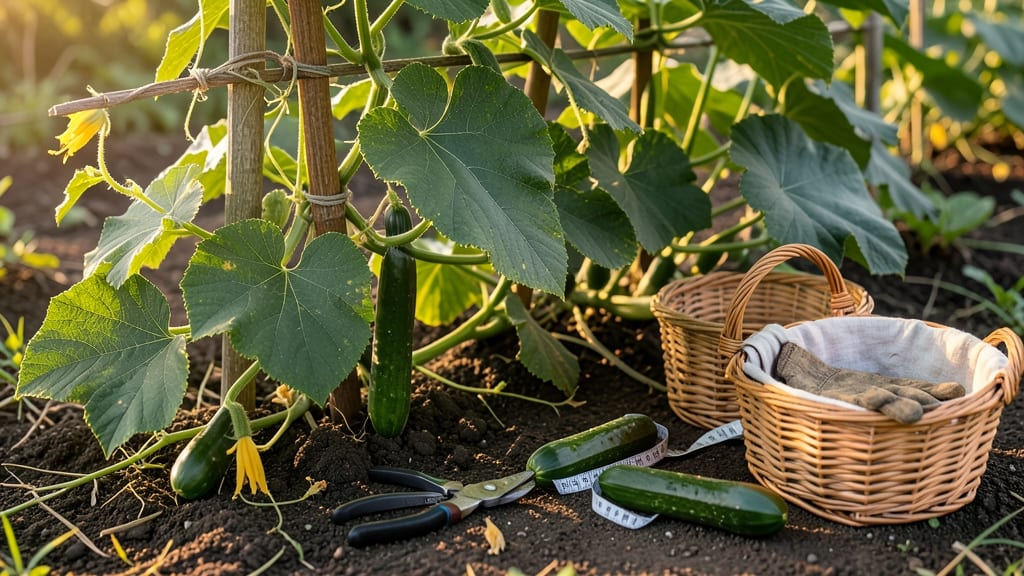
Harvest cucumbers from your garden when they reach 6-8 inches and the skin yields slightly to gentle pressure—this is the sweet spot for that crunchy, sweet flavor you love.
Picking too early means underdeveloped fruit, while waiting too long turns them mealy and bitter. I’ve lost count of the cucumbers I’ve sliced only to find them bland or seedy—so timing is everything for peak flavor.
Beyond size, watch for deep green color and a yellow blossom end, which signals maturity. Regional variations matter too: in Zone 6a, cucumbers typically ripen by July, but heat waves can speed things up.
In this guide, I’ll break down the 3 key checks for perfect cucumbers, plus how to maximize your harvest by picking at the right time of day and handling the vines properly.

How to tell when cucumbers are ready by size and color
Nothing beats the satisfaction of plucking a perfectly ripe cucumber from your vine—crisp, flavorful, and ready for the table. But timing is everything! Harvest too early, and you’ll end up with underdeveloped, seedy cucumbers. Wait too long, and they’ll turn bitter or mealy.
The key lies in size, color, and texture cues that signal peak ripeness. Let’s break down exactly what to look for so you never miss the window again.
Most cucumber varieties reach harvest readiness between 3 to 8 inches in length, but this varies by type. Slicing cucumbers (like 'Straight Eight') typically hit their prime at 6 to 8 inches, while pickling cucumbers (such as 'Boston Pickling') are best harvested at 2 to 4 inches.
Always check the seed packet for variety-specific guidelines, as some heirlooms or specialty types may differ. For example, bush varieties often produce smaller cucumbers compared to vining types.
Color is another critical clue, though it’s not as straightforward as you might think. Dark green cucumbers with a glossy sheen are usually ready, but avoid those with yellowing or pale patches, which can indicate overripeness or sunburn.
Some varieties, like yellow cucumbers, change color entirely when ripe—wait until they’re fully golden or pale yellow before picking. Pro tip: The blossom end (the end opposite the stem) should show a slight yellowing, a classic sign of ripeness.
Texture plays a surprisingly big role in determining readiness. Gently press a cucumber with your thumb—if the skin resists slightly but gives a tiny bit, it’s likely ready. A cucumber that’s too firm needs more time, while one that’s too soft or dents easily has passed its prime.
Pay attention to the stem end too: it should snap easily when bent, not tear or resist. This indicates the cucumber has fully detached from the vine’s nutrients and is at its peak.
| Sign | Description | Action |
|---|---|---|
| Size | 3–8 inches (varies by variety) | Check seed packet for exact range |
| Color | Deep green (or variety-specific) | Avoid pale/yellowing patches |
| Texture | Slight give when pressed | Firm = too early; soft = overripe |
| Stem End | Yellowing or snaps easily | Green stem = not ready |
| Skin | Glossy and smooth | Dull or bumpy = overripe |
Regional growing conditions can also influence ripeness timelines. In hotter climates, cucumbers may mature faster due to increased heat, while cooler regions might see slower growth. If you’re growing in a greenhouse or high-heat zone, check cucumbers every 2–3 days to avoid missing the harvest window.
Conversely, in shadier or cooler areas, you might need to wait an extra day or two. Always prioritize consistent moisture—underwatered cucumbers can develop bitter flavors, even if they’re the right size and color.
Don’t overlook the vine itself! Healthy cucumber plants produce more fruit when you harvest regularly. If you notice yellowing leaves, overcrowded vines, or fewer flowers, it’s a sign your plant is stressed and may need more nutrients or space.
Prune excess leaves to improve airflow, and consider a balanced fertilizer (like 10-10-10) if growth slows. The goal is to keep your plant productive and happy so it keeps delivering those perfect cucumbers all season long.
One common mistake is assuming all cucumbers ripen at the same rate. Early-season varieties might be ready in as little as 50 days, while heirloom or specialty types can take up to 75 days.
To stay on top of things, I like to label my plants with their variety names and estimated harvest dates. This helps me track progress and adjust my picking schedule accordingly. For example, if you’re growing both 'Straight Eight' and 'Lemon Cucumber' side by side, they’ll have different readiness timelines.
Proper storage can also extend the life of your freshly picked cucumbers. Once harvested, store them in the crisper drawer of your fridge for up to 1 week. Avoid washing them until you’re ready to use, as excess moisture speeds up spoilage.
If you’re not using them right away, consider pickling or fermenting for long-term preservation. This is especially useful for pickling varieties, which are best processed within 24 hours of harvest to lock in their crisp texture.
Remember, the more you harvest, the more your cucumber plants will produce. It’s a classic case of supply and demand—pick consistently, and your vines will reward you with a bountiful, continuous harvest all season.
Start checking your cucumbers 50–60 days after planting, and soon you’ll be a pro at spotting the perfect specimen. Happy harvesting! 🥒
3 Common harvesting mistakes that ruin your cucumbers
Even experienced gardeners can fall into traps when harvesting cucumbers. The difference between a crisp, sweet cucumber and one that's bitter or mealy often comes down to timing and technique. I've learned the hard way that ignoring these subtle cues can mean wasted effort—and a sad pile of overripe veggies.
First, many gardeners wait too long to harvest. Cucumbers left on the vine beyond their prime develop bitter compounds as they mature. This is especially true for varieties like slicing cucumbers, which turn woody and tough if neglected. Even pickling cucumbers lose their crispness when overripe.
⚠️ CALLOUT-WARNING ⚠️
🚨 Critical Harvesting Red Flags
1. Yellowing leaves = Overcrowding or disease. Prune vines to improve airflow.
2. Uneven color = Sun scald. Harvest immediately and provide shade cloth.
3. Soft, wrinkled skin = Overripe. These cucumbers are past their prime.
4. Stem separation = Ready to harvest. Twist gently to avoid damaging vines.
Another mistake is picking cucumbers too early. While it might seem counterintuitive, harvesting before they reach 6-8 inches often means underdeveloped fruit. These cucumbers lack the full flavor and crunch you're after, and they're more prone to pests and rot on the vine.
I once picked a batch of 3-inch cucumbers thinking they were ready, only to find they were bland and seedy.
Finally, ignoring the vine's signals can lead to poor yields. Yellowing leaves or overcrowded vines are clear signs your cucumbers need attention. When vines get too crowded, they compete for nutrients, leading to smaller, less flavorful produce.
I've seen gardeners let their cucumber plants get so tangled that harvesting became a chore—and the quality suffered.
To avoid these mistakes, check your cucumbers every 2-3 days during peak season. Look for deep green color, firm skin, and that telltale yellow blossom end. With consistent harvesting, you'll encourage your plants to produce more fruit all season long.
Remember, the key to great cucumbers is consistency. Don't let them sit too long, but don't rush them either. When you get the timing right, you'll enjoy crisp, sweet cucumbers straight from your garden all summer! 🥒