
Picking
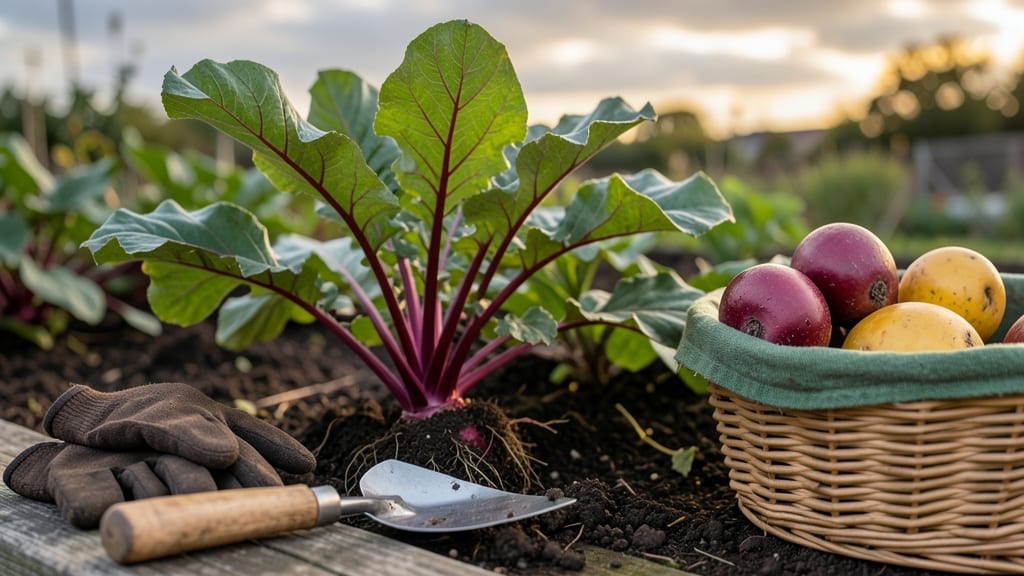
To pick beets from the garden at their sweetest, wait until the roots reach about 1 to 2 inches in diameter and the tops are 4 to 6 inches tall—this is when they’re tender and packed with flavor.
Harvesting beets at the wrong time means tough, woody roots instead of sweet, tender gems—so timing is everything. Learn the foolproof finger-width tests and other key signs to pick beets at their peak flavor and texture.
Most gardeners miss the window because they focus on days after planting rather than visual cues. The 3 finger-width tests—root size, skin texture, and shoulder development—take the guesswork out of it, ensuring you pull them when they’re just right.
In this guide, I’ll walk you through the exact signs to watch for, how to handle them after harvest, and what happens if you wait too long. No more overripe beets or wasted effort!

3 Finger-width tests to determine perfect beet harvest time
Timing your beet harvest is all about balance—too early and you’ll get tiny, watery roots; too late and they’ll turn tough and woody. My go-to method? The 3 finger-width tests that let me gauge maturity without guessing.
These simple visual cues help me know exactly when to pull beets for that perfect sweet, tender texture. Whether you're growing golden, red, or chioggia varieties, these tests work every time.
First, let’s talk about the most reliable indicator: the root diameter. When your beet roots reach about 1 to 2 inches wide, they’re usually ready to harvest. But how do you measure that without digging up every plant?
That’s where your fingers come in! Use your thumb and index finger to check the width of the exposed root just below the soil line. If it fits snugly between them, it’s time to harvest.
Next, pay attention to the skin texture. Mature beets develop a slightly thicker, smoother skin compared to younger ones. Run your fingers over the root—if it feels firm and the skin isn’t papery or rough, it’s a good sign.
Younger beets often have a softer, almost velvety texture, while overripe ones can feel tough or develop a woody exterior. This test is especially useful for striped varieties, where the skin’s thickness affects the sweetness.
The third test focuses on the shoulder development, the part of the beet where the root meets the stem. When the beet’s shoulder is about 1 to 1.5 inches wide, it’s a clear signal that the root has reached maturity.
You can check this by gently brushing away a little soil around the base of the plant. If the shoulder is broad and well-defined, your beet is ready. This is particularly important for heirloom varieties, which often have more pronounced shoulders.
⚠️ Visual Comparison Table Below ⚠️
| Test Type | Underripe Beet | Perfectly Ripe Beet | Overripe Beet |
|---|---|---|---|
| Root Diameter | <1 inch (fits between pinky and thumb) | 1-2 inches (fits between thumb and index finger) | >2 inches (too wide for finger test) |
| Skin Texture | Soft, velvety, or papery | Firm, smooth, slightly thicker | Tough, woody, or cracked |
| Shoulder Width | <0.5 inch (narrow) | 1-1.5 inches (well-defined) | >1.5 inches (bulky, less sweet) |
| Leaf Condition | Small, sparse, or yellowing | Large, healthy, dark green | Wilting, brown, or dying back |
Pro tip: Combine these tests with a quick leaf check. Healthy beet greens should be 4 to 6 inches tall and vibrant. If the leaves start yellowing or wilting, it’s often a sign the beet has diverted energy to the root and is ready for harvest.
For spring-planted beets, this usually happens around 55 to 65 days after sowing, while fall varieties may take a few days longer due to cooler temperatures.
One mistake I used to make was relying solely on the days-to-maturity label on seed packets. While these are helpful, they’re not foolproof—soil temperature, rainfall, and variety can all affect timing. That’s why I now use the finger-width tests as my primary guide.
They’re quick, accurate, and don’t require any special tools. Plus, they work whether you’re harvesting in June heat or October chill.
For child chioggia or other small varieties, you might harvest slightly earlier—around 1 inch in diameter—since they tend to mature faster. Larger varieties like Detroit Dark Red can wait until they’re closer to 2 inches wide.
The key is to check regularly and adjust based on your specific variety’s growth rate. This way, you’ll always end up with beets that are sweet, tender, and packed with flavor.
Once you’ve mastered these tests, you’ll never again wonder if your beets are ready. The next time you’re kneeling in the garden, just reach down, run your fingers along the roots, and let these simple cues guide you. Your taste buds—and your dinner table—will thank you!
Additional signs your beets are ready for harvesting
Beyond the classic finger-width test, your beets reveal subtle clues about their readiness. Pay attention to the leaf color and root shape—these often signal peak harvest time before you even dig.
For example, golden beets develop a deeper hue, while red varieties intensify their color. Even the soil conditions around your plants can hint at when it's time to harvest.
Seasonal timing also plays a crucial role. In spring-planted gardens, beets typically reach maturity 60-70 days after sowing, often aligning with late June or early July. For fall plantings, aim to harvest before the first frost, usually by mid-October.
Missing this window can lead to woody roots and bitter flavors, so staying attuned to these natural cues is key.
Here are five key indicators that your beets are ready for harvesting, beyond the finger-width test:
-
1. Leaf Yellowing
Older leaves turn yellow or wilt slightly as energy shifts to the root. -
2. Rounded Shoulders
The top of the root swells into a smooth, rounded shape. -
3. Firm Soil Resistance
Gently tugging on the greens meets slight resistance from the root. -
4. Deep, Uniform Color
The root’s color is vibrant and consistent, not patchy or pale. -
5. 4-6 Inch Tops
Greens reach 4-6 inches tall, indicating mature root size below.
Don’t overlook the soil’s role—loose, well-draining soil makes it easier to check root size without damaging the plant. If the soil is compacted, gently loosen it around one beet to peek at the root without fully harvesting.
This is especially useful for container-grown beets, where space is limited and you want to avoid disturbing neighboring plants.
For baby beets, harvest when roots reach 1 inch in diameter—these tender varieties are perfect for salads and quick cooking. But for full-sized beets, wait until they’re 2-3 inches wide and the tops are 4-6 inches tall.
Ignoring these signs often leads to overmature beets, which can develop a tough, fibrous texture and lose their sweetness.
Pro tip: Harvest on a cool, overcast day to reduce stress on the plant. This preserves flavor and texture, ensuring your beets stay sweet and tender.
Store them in a cool, dark place (like a root cellar) for up to 2 weeks, or refrigerate for 1-2 weeks to maintain freshness.
By combining these visual cues with seasonal timing, you’ll never miss the perfect moment to harvest your beets—just in time for peak sweetness and texture. 🌱