
Picking
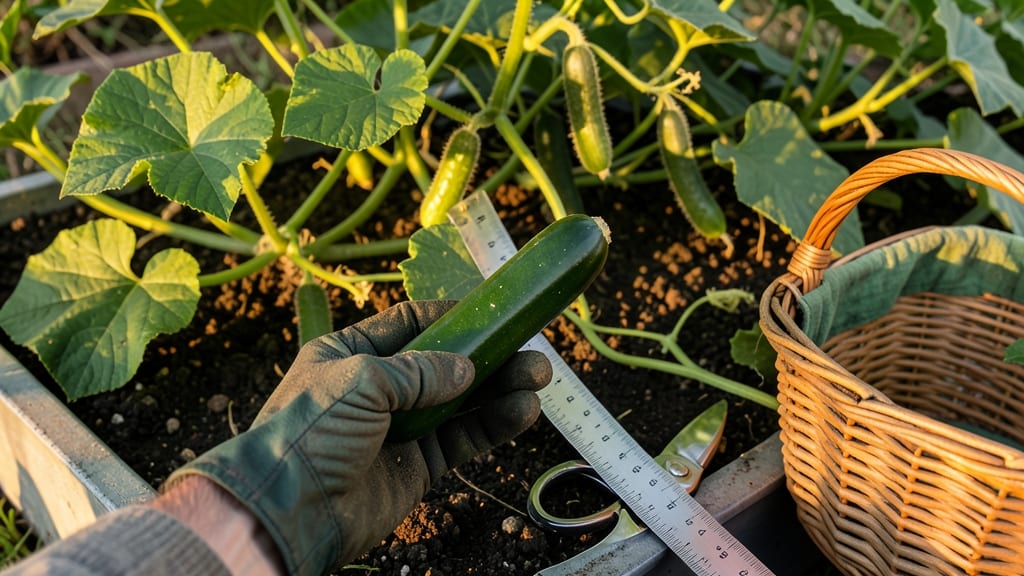
Picking cucumbers from the garden at the right time means the difference between a crisp, sweet bite and a mealy, bitter mess—so timing is everything.
Picture this: You’ve been watching your 🥒 vines thrive all summer, and now the fruit is popping up faster than you can keep up. But if you wait just one more day—or pick too soon—you’ll miss the window for peak flavor and texture.
The secret lies in three simple checks: size, color, and firmness. A cucumber that’s 6-8 inches long with a consistent hue and a slight give when pressed is ready to harvest. Ignore these cues, and you’ll end up with cucumbers that turn seedy, woody, or even bitter.
In this guide, I’ll walk you through the exact stages to harvest your cucumbers for maximum freshness, plus how to avoid common mistakes that lead to wasted produce. Ready to turn your garden into a crisp, flavorful harvest?

3 Key cucumber size checks for optimal harvest timing
Timing your cucumber harvest is an art that balances crisp texture, sweet flavor, and seed development. Picking too early means tough, underdeveloped fruit, while waiting too long turns them bitter and seedy.
The secret lies in understanding the three critical size checks that align with your intended use—whether slicing, pickling, or preserving heirloom varieties. These checks are backed by plant science and decades of gardener experience, ensuring you harvest at peak quality every time.
Cucumbers are 95% water at harvest, and their moisture content drops as they mature. This affects both texture and taste—young cucumbers stay crunchy, while overripe ones become watery and develop cucumber beetle damage. The key is to monitor length, diameter, and skin firmness simultaneously.
For example, a 6-inch slicing cucumber will have very different harvest cues than a 2-inch pickling cucumber, even though both are technically "ripe." Let’s break down the science behind these checks.
Your first check is length, which directly correlates to maturity. For slicing cucumbers, aim for 6–8 inches—this is when their cell walls develop optimal crispness.
If you wait until they reach 10+ inches, they’ll start converting starches to sugars, making them sweeter but also softer and seedy. Meanwhile, pickling cucumbers should be harvested at just 1.5–2.5 inches—any longer, and their thin skins become too tough for proper brining.
Heirloom varieties like 'Lemon Cucumber' can vary widely; check the seed packet for specific guidelines, but generally, harvest when they reach half their mature length for the best balance of tenderness and flavor.
The second critical check is diameter, which affects both texture and seed development. A cucumber’s diameter expands as it matures, and this growth is tied to seed enlargement.
For slicing types, a 2–2.5 inch diameter is ideal—thinner than this, and the flesh may be too watery; thicker, and the seeds become noticeable. Use your fingers to gently press the cucumber: if it yields slightly but doesn’t feel mushy, it’s ready.
For pickling cucumbers, a 1–1.5 inch diameter ensures they’re small enough for even pickling while still being fully developed. Pro tip: Use a measuring tape or even a ruler to track growth if you’re new to harvesting.
Third, assess skin firmness and color consistency—two often-overlooked cues. A perfectly ripe cucumber’s skin should resist your thumbnail when pressed but yield with a slight give. If it feels waxy or tough, it’s underripe; if it’s too soft or dented, it’s overripe.
Color matters too: slicing cucumbers should be a uniform dark green, while heirloom types like 'Armenian' may turn yellow or striped. Watch for yellowing at the blossom end, a sign the cucumber is nearing peak ripeness.
This check is especially important for greenhouse-grown cucumbers, which may ripen faster due to
How to spot overripe vs. underripe cucumbers before picking
One of the biggest mistakes I see gardeners make is leaving cucumbers on the vine too long—or picking them too soon. Underripe cucumbers stay tough and bland, while overripe ones develop bitter, woody flavors and large seeds.
Knowing the subtle differences between these stages ensures you always harvest at peak freshness.
Start by examining the stem end of the cucumber. A green stem signals underripeness, while a yellow or brown stem end means it's ready to pick. This color change happens as the cucumber matures and begins to separate from the vine naturally.
Skin texture is another key indicator. Gently press your thumbnail into the cucumber's skin. If it resists pressure and doesn't yield, it's underripe. When the skin gives slightly under pressure but still feels firm, that's your sweet spot for harvesting.
🚨 WARNING: Miss these cues, and you risk bitter harvests! 🚨
- Skin turns dull or develops yellow patches
- Seeds grow large and turn white or brown
- Flesh becomes spongy when cut open
- Stem end detaches easily from the vine
- Skin is firm but yields slightly to pressure
- Color matches variety (dark green, yellow, or striped)
- Seeds remain small and pale green
- Stem snaps cleanly when bent
Don't forget to inspect the seed development inside. Slice open a cucumber to check the seeds. Small, pale seeds mean it's ready to eat, while large, dark seeds indicate overripeness. For heirloom varieties, this test is especially important since they often have thicker skins that can mask other ripeness cues.
Finally, pay attention to the overall color of your cucumbers. Uneven or pale coloring suggests underripeness, while dull or mottled skin is a red flag for overripeness. Dark green cucumbers should have a vibrant, even hue, while yellow varieties should be uniformly golden when ripe.
By mastering these simple checks—stem color, skin texture, seed size, and color consistency