
Picking
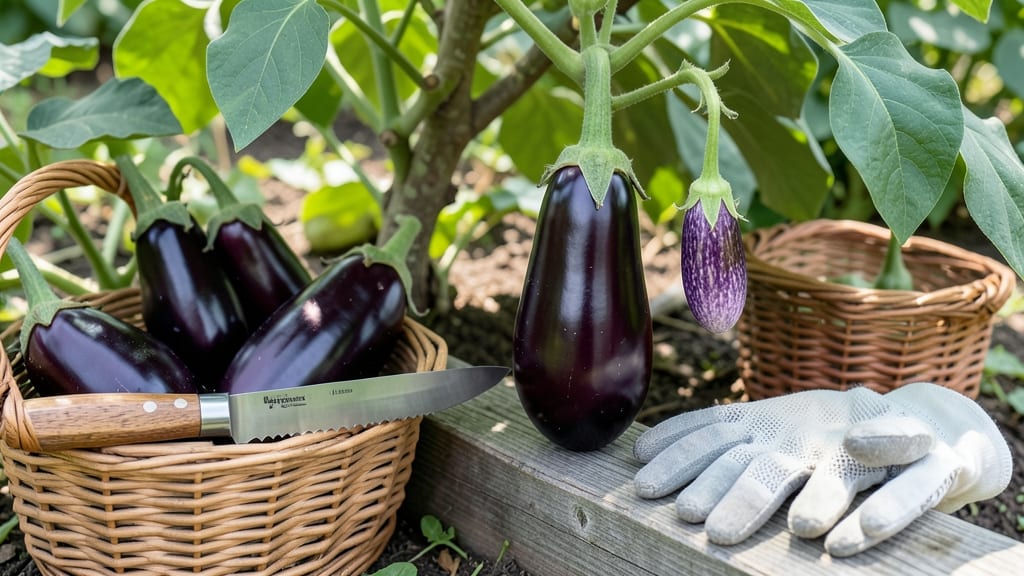
Knowing when to pick eggplant in the garden means the difference between a tender, flavorful harvest and a tough, seedy disappointment—so how do you know when those glossy 🍆 fruits are truly ready?
If you’ve ever sliced into an eggplant only to find it bitter or underripe, you know the frustration all too well. The good news? A few simple checks—color, size, and firmness—can save you from that disappointment every time.
Eggplant thrives in USDA Zone 6a and beyond, with the best harvest window stretching from July to September. But timing isn’t just about the calendar—it’s about the fruit itself. Learn the subtle cues that signal peak ripeness, from the deep purple blush to the gentle give when you press.
In this guide, I’ll walk you through the exact signs to watch for, plus regional tips to adjust for your climate. By the end, you’ll never second-guess whether your eggplant is ready to pick again.
How to tell when eggplant is ripe by color, size & texture
Eggplant ripeness isn't just about guessing—it's about paying attention to three key visual and tactile cues that transform a bland fruit into a flavorful prize. The color shift from green to deep purple (or other mature hues) signals maturity, but it's only part of the story.
Combine this with size benchmarks and firmness tests, and you'll harvest at peak perfection every time.
First, let's address the elephant in the garden: color isn't the only indicator. Some varieties like Rosa Bianca stay white, while Black Beauty turns deep purple—yet both follow the same ripeness rules. The glossy skin and slight sheen are your first clues, but you'll need to touch them too.
This isn't just theory; I've learned the hard way that ignoring these signs leads to bitter, seedy disappointments.
Here's the golden rule: ripe eggplant should yield slightly when gently squeezed. Think of it like a ripe avocado—just enough give to know it's ready, but not mushy. Press your thumb against the skin: if it leaves a slight indentation that bounces back, you're in the sweet spot.
This firmness test works for all varieties, from Asian long eggplants to Italian globes.
Now let's talk size benchmarks, because eggplants don't ripen at the same rate. Most standard varieties like Black Beauty reach harvest size at 6-8 inches long, but dwarf varieties might be ready at just 4 inches.
Check your seed packet for variety-specific guidelines, but remember: size alone isn't enough. A 7-inch eggplant with dull skin isn't ready, while a 5-inch one with glossy purple skin might be perfect.
Here's where many gardeners go wrong: they wait too long for full size but miss the color and firmness cues. I once left eggplants on the vine until they reached 9 inches—only to discover they were overripe and bitter.
The lesson? Harvest when 80% of the fruit shows mature color, even if it's not full size. Your plant will keep producing new fruits while you enjoy the first batch.
Let me show you exactly what to look for with this quick reference:
| Ripeness Cue | What to Look For | Action Required |
|---|---|---|
| Color | Deep, uniform purple (or mature variety color) with glossy sheen | Check 80% of surface |
| Size | 6-8" for standard varieties (check seed packet) | Measure length, not girth |
| Texture | Firm but yields slightly when pressed (like ripe avocado) | Gentle thumb press test |
| Stem Test | Stem snaps cleanly when bent (not pulled) | Use clean pruners for harvest |
| Seed Development | Seeds are small and white (not black or large) | Cut open if unsure |
Pro tip: harvest in the morning when fruits are cool and firm. This gives you the best quality for storage or immediate use. I've found that morning-picked eggplants stay fresher 5-7 days longer in the fridge, maintaining that perfect texture you worked so hard to achieve.
Don't overlook the stem test, which is my secret weapon for avoiding unripe or overripe surprises. Simply bend the stem near the fruit—if it snaps cleanly (not tears), that's your cue to harvest.
This works even for heirloom varieties with irregular shapes. I've used this method for years and it's never failed me, even with 20+ eggplants in my garden.
Remember that regional climate affects ripening.
Common mistakes that make eggplant taste bitter or seedy
Even the most experienced gardeners sometimes end up with eggplant that’s bitter or seedy—and it’s usually because of simple timing or handling mistakes. Overripe fruit develops bitter compounds while underripe eggplant stays tough and bland.
The key is knowing the exact moment when your eggplant is perfectly ripe and ready for harvest.
One of the biggest misconceptions is that eggplant must be fully purple before picking. While color is a clue, it’s not the only factor. Texture and size play just as big a role in determining flavor.
Ignoring these signs often leads to disappointment in the kitchen, where seedy or overly firm eggplant ruins dishes.
🚨
Eggplant left on the vine past its prime develops bitter alkaloids and large, hard seeds. Check these signs daily in late summer:
- Color shift: Deep purple or mature hue (not green)
- Firmness: Yields slightly when pressed (not rock-hard)
- Stem test: Snaps cleanly at base
🌱 Pro Tip: Harvest in the morning for best flavor and texture.
Leaving eggplant on the plant beyond 70-90 days after transplanting is a common mistake. While they may look fine, the fruit starts converting sugars into bitter compounds as it matures further.
This is especially true in hot climates, where eggplant ripens faster. Even a day or two past peak ripeness can turn your culinary masterpiece into a seedy, bitter mess.
Another pitfall is harvesting too early because the fruit isn’t fully colored. Underripe eggplant lacks flavor and has thick, leathery skin that’s unpleasant to eat. Always wait until the eggplant reaches its variety-specific size—typically 4-8 inches long—before considering it ready.
For example, Black Beauty varieties should be 6-8 inches, while smaller Ichiban types stop at 4-5 inches.
Even after picking, improper storage can ruin your eggplant. Storing them in the fridge too soon (within 24 hours) causes chilling injury, making them mealy and bitter. Instead, keep them at room temperature in a cool, dark place until you’re ready to use them.
If you must refrigerate, do so for no more than 3-4 days and bring them back to room temp before cooking.
Finally, overwatering before harvest can dilute flavor and make eggplant spongy. Always maintain consistent moisture (not soggy soil) in the weeks leading up to picking. The goal is firm, glossy fruit—not waterlogged skin.
With these tips, you’ll avoid the most common mistakes and enjoy eggplant that’s sweet, tender, and seed-free every time.