Picking
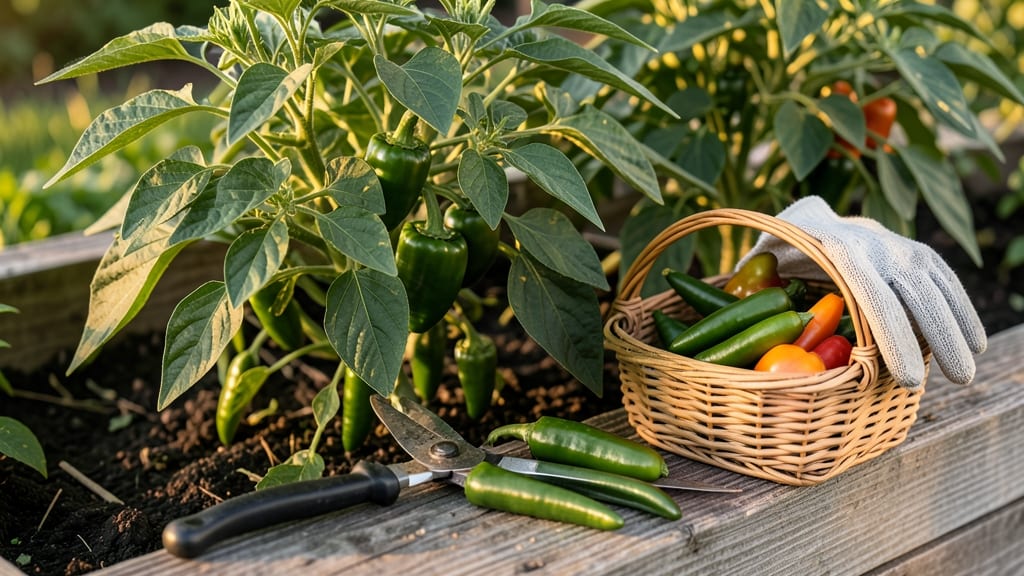
Picking jalapeños from your garden at the right time ensures bold, fiery flavor instead of bitter or mealy peppers.
Picture this: you’ve nurtured your 🌶️ jalapeños all season, and now they’re ready—but how do you know for sure? Harvest too early, and you’ll miss out on peak heat. Wait too long, and they’ll turn rubbery or overripe.
The trick lies in size, color, and firmness, and timing it right can mean the difference between a kitchen full of spice and a sad, flavorless pile.
Most jalapeños hit peak ripeness about 75 days after transplanting, but seasonal cues matter just as much. In USDA Zone 6a, that means watching for 3-to-5-inch peppers with a slight waxy sheen and skin that resists gentle pressure.
If you’re aiming for maximum heat, green jalapeños are best picked when fully mature, while red ones develop deeper flavor but lose some of their classic kick.
Below, I’ll walk you through the exact signs to look for—plus how to avoid common mistakes that ruin flavor. By the end, you’ll know exactly when to snip those peppers for the best taste and spice every time.

How to check jalapeño ripeness: size, color, and firmness guide
Knowing when to pick jalapeños from your garden is crucial for maximizing flavor and heat. Unlike some peppers, jalapeños don't ripen off the plant, so timing matters. The perfect jalapeño should balance size, color, and firmness—all signs it's reached peak ripeness.
Harvest too early, and you'll get mild, underdeveloped peppers. Wait too long, and they may become overripe, losing their signature kick.
Jalapeños typically reach maturity 75-90 days after transplanting, but visual cues are more reliable than counting days. Start checking your plants around 60 days when the first peppers form. Look for 3-5 inch peppers that feel firm but yield slightly when gently squeezed.
The color should transition from pale green to a deeper, vibrant green or even a slight red blush on the shoulders.
Here's a quick reference to help you identify the perfect jalapeño for harvest:
| Ripeness Stage | Size | Color | Firmness | Stem Separation |
|---|---|---|---|---|
| Underripe | Under 2 inches | Pale green | Soft, easily punctured | None |
| Ready to Pick | 3-5 inches | Vibrant green to light red | Firm but yields slightly | Easily separates |
| Overripe | 5+ inches | Dull green or red | Soft, wrinkled | Stays attached |
The color progression is one of the most noticeable signs of ripeness. Early-stage jalapeños start as pale green, but as they mature, they develop a deeper, richer green hue.
Some varieties even show a slight red blush near the stem—this is a sign of full ripeness and often means a more intense flavor. Pay attention to the shoulders of the pepper, where color changes are most visible.
Don't rely solely on color, though. A firmness test is equally important. Gently squeeze a jalapeño to check its readiness. A ripe jalapeño should feel firm but not hard, almost like a ripe avocado.
If it feels too soft or mushy, it's overripe. If it's rock-hard, it's not ready yet. This test helps you avoid the bitter disappointment of underripe peppers or the mild flavor of overripe ones.
Another key indicator is how easily the pepper separates from the stem. When jalapeños are ready to harvest, they should twist or snap off cleanly with minimal resistance. If you have to tug hard or the pepper stays attached, it's not fully ripe.
This separation is a natural cue from the plant that the pepper is ready to be picked. Regularly checking your plants for this sign ensures you don't miss the perfect harvest window.
Timing your harvest correctly also depends on the season. In most climates, jalapeños are ready for harvest from mid-summer to early fall, typically between July and October. If you're in a warmer region, you might start seeing peppers as early as June.
Keep an eye on your plants and check for ripeness cues during these months. Harvesting at the right time not only ensures the best flavor but also encourages your plants to produce more peppers.
One common mistake gardeners make is waiting too long for jalapeños to turn red. While red jalapeños are indeed riper and often sweeter, they can also be less spicy. If you're growing jalapeños for their signature heat, it's best to pick them when they're still green but fully mature.
This balance of color, size, and firmness will give you the best of both worlds: a pepper that's packed with flavor and heat.
To avoid overripe peppers, make it a habit to check your plants every 2-3 days once they start producing. Regular harvesting not only ensures you get the best peppers but also stimulates your plants to produce more.
If you notice peppers that are already overripe, don't toss them—you can still use them in cooking or fermenting, where their milder flavor can add depth to dishes.
Finally, always use clean, sharp pruning shears or scissors to harvest your jalapeños. Cutting the stem leaves a smaller wound on the plant, reducing the risk of disease and encouraging faster healing.
This small step can make a big difference in the overall health and productivity of your jalapeño plants throughout the growing season.
Jalapeño harvest timing: when to pick for heat vs. fresh use
Timing your jalapeño harvest correctly determines whether you'll enjoy bold heat or mild freshness. Green jalapeños pack milder spice but higher moisture, perfect for salsas or pickling. Let them ripen to red or yellow, and you'll unlock sweeter, fruitier flavors with intensified capsaicin—ideal for drying or sauces.
The key? Watch for color shifts and firmness changes that signal peak ripeness.
Most gardeners harvest green jalapeños at 75-90 days after transplanting, but leaving them on the plant longer can transform their flavor profile. A red jalapeño might take 10-14 extra days to ripen but offers a 30% sweeter taste with deeper heat.
If your climate is warm, you can often extend the season by harvesting later—just balance this with first frost risks in cooler zones.
🌶️ Harvest Green vs. Red Jalapeños
Harvest Green
- Pros: Ready 75-90 days, higher moisture
- Cons: Less sweet, milder heat
Harvest Red
- Pros: Sweeter, deeper flavor
- Cons: Takes 10-14 extra days, frost risk
Best For
- Pickling or salsas
- Quick cooking
Best For
- Drying or sauces
- Long-term storage
For maximum heat retention, harvest green jalapeños in the morning when capsaicin levels are highest. Use clean pruning shears to avoid damaging the plant, and store them in a paper bag in the fridge for up to 2 weeks.
If you're aiming for red jalapeños, monitor color changes daily—they’ll shift from light green to yellow or red as they ripen.
Overripe jalapeños lose flavor and texture, becoming soft and mealy. To prevent this, harvest every 3-5 days during peak production. If you miss the window, red jalapeños can still be used but may lack the bright sweetness of perfectly timed picks.
For long-term storage, dry them in a dehydrator or oven at 135°F (57°C) for 2-4 hours, or freeze them whole for up to 6 months.
Pro tip: Taste-test a few peppers before committing to a bulk harvest. Some varieties, like 'Early Jalapeño', ripen faster than 'Big Jim', so adjust your harvest schedule based on your specific plants.
And remember—consistent harvesting encourages the plant to produce more peppers, extending your season by 3-4 weeks.
Whether you prioritize heat or sweetness, timing is everything. Green for fresh use, red for depth, and always harvest at the peak to avoid disappointment. With the right approach, your jalapeños will deliver bold flavor all season long. 🌱