Picking
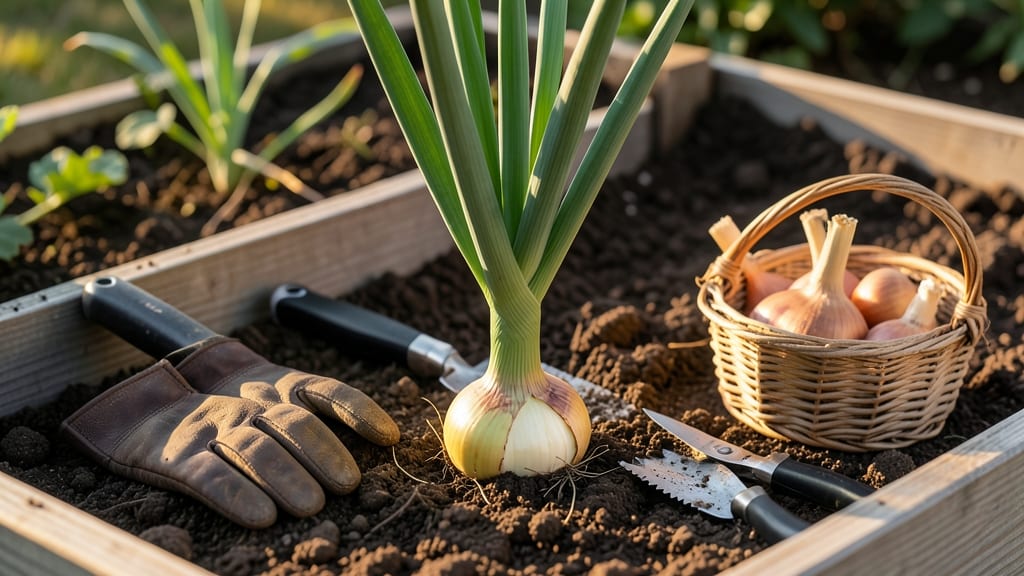
To pick onions from your garden at the perfect time means catching them when the bulbs are plump, flavorful, and ready to store—before they shatter into worthless rings.
If you’ve ever pulled an onion only to find it hollow inside or bitter-tasting, you know how quickly a missed harvest can turn a bounty into a bust.
The key is watching for three clear signs: when the tops yellow and flop, when the neck tightens, and when the bulbs feel firm to the touch.
Timing matters more than you might think—harvest too early, and you’ll lose storage potential; wait too long, and the bulbs split or bolt.
Whether you’re in Zone 6a or another region, these visual cues guarantee you’ll pull onions at their peak, just in time for June-July harvests or fall-planted varieties ready by October.
Below, I’ll walk you through exactly what to look for, how to handle them once pulled, and a few pro tips to keep your harvest fresh long after the garden season ends.

3 Telltale signs your onions are ready for harvest
Harvesting onions at the wrong time can turn your hard-earned bulbs into sad, pithy disappointments. The key is spotting the three universal signals that scream "pick me now!"—before your onions bolt, shatter, or rot in the soil.
I’ve learned the hard way that waiting too long means sacrificing storage potential and flavor, while harvesting too early leaves you with tiny, underdeveloped bulbs. Let’s cut to the chase with the visual and physical cues that guarantee a perfect harvest.
First, pay attention to the top growth. Healthy green leaves signal active growth, but when they start turning straw-colored or yellow, it’s your first warning. This color shift isn’t just cosmetic—it’s nature’s way of telling you the bulb below has reached its peak sugar content and storage readiness.
Ignore this sign, and you risk the tops flopping over completely, which can lead to bulb rot if left in the ground too long.
🌱 Numbered Highlights: When to Pick Onions
-
1. Tops Yellow & Flop
When 50-70% of leaves turn straw-yellow and flop sideways, bulbs are ready. This signals maturity and peak flavor. -
2. Bulb Size & Firmness
Gently dig around the soil—bulbs should be 1-2 inches wide and firm to the touch. Soft or small bulbs aren’t ready. -
3. Neck Tightens & Papery Skin
The stem (neck) should shrink and tighten near the bulb, and a thin papery layer forms—this protects storage life.
⚠️ Pro Tip: If you see flower stalks (scape) forming, harvest immediately—this means your onions are bolting and flavor will suffer.
Next, focus on the bulb’s physical characteristics. When you gently loosen the soil around your onions, you’ll notice some bulbs are larger and firmer than others. The ideal harvest size is about 1-2 inches in diameter, with a feel that’s solid and dry—not mushy or hollow.
A soft bulb means it’s still growing, while a bulb that feels spongy or hollow has already started to degrade. Pro tip: Squeeze a few bulbs—if they give slightly, they’re not ready yet.
Don’t overlook the neck of the onion, the narrow part connecting the bulb to the leaves. When it’s time to harvest, this neck will tighten and form a papery barrier. This isn’t just a visual cue—it’s a critical storage signal.
Onions with loose necks or no papery skin won’t store well and may spoil quickly. Think of this as nature’s built-in packaging—it’s your guarantee that the bulb will keep for months in a cool, dry place.
One of the biggest mistakes I see gardeners make is waiting until the tops are completely brown and crispy. By then, the bulbs may have already split or rotted in the ground. The sweet spot is when the tops are yellowing but not yet dead.
This gives you a 2-3 day window to harvest before the bulbs degrade. If you’re unsure, dig up one bulb to check—you’ll thank yourself later for avoiding a wasted harvest.
Regional climate plays a role too. In hot, dry climates, onions mature faster, and the tops may yellow sooner. In cooler or wetter regions, the process slows down, and you might need to wait longer.
Always adjust your harvest timing based on local weather patterns—a sudden heatwave can accelerate maturity, while prolonged rain can delay it. When in doubt, err on the side of harvesting a day early rather than late.
Finally, remember that green onions (scallions) follow a different rulebook. They’re ready to harvest when they reach 6-12 inches tall, regardless of bulb size. Simply snip the outer leaves, leaving the inner ones to keep growing.
This cut-and-come-again method gives you a continuous harvest, but it’s a whole different ballgame from storing bulbs for winter.
Mastering these three telltale signs will transform your onion harvest from a gamble into a guaranteed success.
Next time you’re eyeing your onion patch, ask yourself: Are the tops yellowing? Are the bulbs firm and sized right? Is the neck tightening? If the answer is yes to all three, grab your gardening gloves—it’s time to harvest!
Best harvesting methods: how to pull onions without damaging bulbs
Once your onions show those telltale signs of readiness, the next step is harvesting them carefully to preserve those flavorful bulbs. The wrong technique can bruise or split onions, reducing storage life and flavor.
With the right approach, you’ll pull perfect, intact onions every time—ready for curing or immediate use.
Start by preparing the soil around your onions. Use a garden fork or trowel to loosen the soil about 3-4 inches deep. This helps prevent damage to the bulb roots while making it easier to extract the entire onion.
Work gently to avoid puncturing the bulbs, which can lead to spoilage later.
Timing matters too. Harvest onions on a dry, sunny day to allow them to dry properly after pulling. Avoid harvesting after rain, as wet soil can cling to bulbs, promoting rot. Early morning is ideal—cooler temps help onions stay crisp during handling.
Step-by-Step: How to Harvest Onions Without Damage
- 1 Loosen the soil around the onion base with a fork or trowel, working in a circular motion to avoid cutting roots.
- 2 Grip the onion tops firmly near the base and lift gently—don’t tug or twist, which can snap the bulb.
- 3 Shake off excess soil and inspect for damaged bulbs. Discard any that are bruised or split immediately.
- 4 Trim the roots to about ½ inch long with clean shears, leaving the neck intact for proper curing.
- 5 Cure the onions by laying them in a single layer in a dry, shaded, and well-ventilated area for 1-2 weeks.
After harvesting, post-harvest care is crucial for storage. Let onions cure properly—this means drying them in a warm, dry spot (like a garage or porch) for 1-2 weeks. Proper curing develops their flavor and storage potential, preventing spoilage.
Once fully cured, store onions in a cool, dark place with good airflow, like a mesh bag or ventilated box.
If you’re harvesting green onions (scallions) instead of bulbs, cut them just above the soil line when they reach your desired height. They’ll regrow for multiple harvests, making them one of the most forgiving and productive garden crops.
Just avoid cutting more than one-third of the plant at a time to encourage regrowth.
With these gentle harvesting techniques, you’ll enjoy plump, flavorful onions all season long—whether you’re storing them for winter or using them fresh in your favorite recipes. The key is patience and care at every step, from soil prep to post-harvest curing. 🧅