Picking
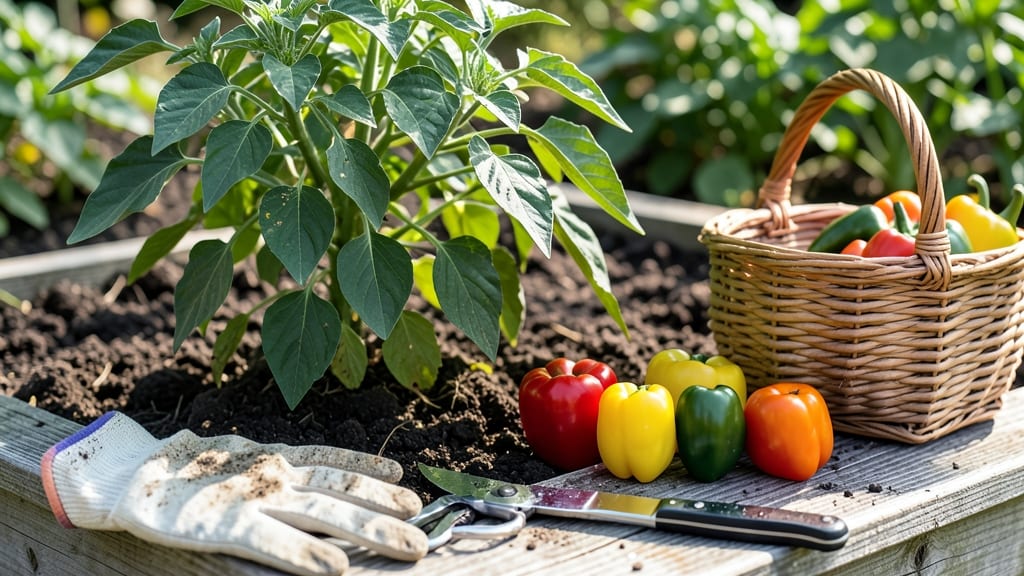
Picking peppers from your garden at the right time means the difference between a burst of sweetness and a bitter disappointment — and the color of the pepper is the key.
I’ve watched gardeners twist off peppers too early, only to discover they’re still rock-hard and flavorless, or leave them on the vine too long, turning them mealy and seedy.
The truth? Timing isn’t just about size—it’s about the perfect color and texture cues that tell you when to grab your shears.
Whether you’re growing crisp bell peppers 🌶️ or fiery jalapeños, this guide breaks down the exact stages to harvest for maximum flavor, plus how to adjust for your climate and pepper type. No more guesswork—just peppers at their prime.
You’ll learn how to test ripeness like a pro, spot the warning signs of overripe or underripe peppers, and even which varieties can ripen off the plant. Let’s get those harvests right!

Peppers ripeness stages by color: when to harvest for maximum flavor
Harvesting peppers at the right stage transforms your garden into a flavor factory. Color isn't just pretty—it signals sweetness, heat, and storage potential. A green bell pepper picked too early tastes bland, while a red jalapeño left too long becomes mealy.
Each pepper variety has its own color cues, and ignoring them means missing peak flavor. Let's break down the exact stages where sweetness and heat reach their zenith.
Most gardeners focus on color changes as the primary ripeness indicator, but texture and size matter too. For example, bell peppers should be firm and glossy at their final color, while hot peppers like habaneros need deep, vibrant hues before picking.
The wrong timing can turn a sweet banana pepper into a bitter disappointment or reduce a jalapeño's heat by half. Understanding these stages ensures you harvest when flavors are at their peak.
Here's the color-coded breakdown you need to know before reaching for your pruners:
| Pepper Type | Ripeness Stage | Harvest Color | Flavor Impact | Best For |
|---|---|---|---|---|
| Bell Peppers | Green (immature) | Solid green | Mild, slightly bitter | Quick cooking, storage |
| Bell Peppers | Yellow/Orange/Red (mature) | Deep yellow, orange, or red | Sweetest, richest flavor | Fresh eating, preserving |
| Jalapeños | Green (mild) | Bright green | Mild heat, crisp texture | Pickling, fresh salsa |
| Jalapeños | Red (hot) | Deep red | Intense heat, fruity notes | Drying, hot sauces |
| Habaneros | Orange/Red | Bright orange or red | Extreme heat, floral sweetness | Hot sauces, spice blends |
| Banana Peppers | Yellow/Red | Deep yellow or red | Sweet, tangy flavor | Stuffing, pickling |
Bell peppers are the most forgiving when it comes to timing. You can harvest them green for storage or wait for full color development (yellow, orange, or red) for maximum sweetness. The red stage is when bell peppers reach their peak sugar content, making them ideal for fresh eating.
However, if you're planning to store them, harvesting at the green stage extends shelf life by several weeks.
Hot peppers like jalapeños and habaneros are far less forgiving. Their heat and flavor intensify as they ripen, so waiting for the deepest color (red for jalapeños, orange/red for habaneros) is crucial.
A green jalapeño might have half the heat of its red counterpart, while an underripe habanero will lack the complex floral notes that develop with full ripening. For these varieties, timing is everything—don't rush the harvest!
Storage life varies dramatically based on ripeness stage. Green bell peppers can last 2-3 weeks in the fridge, while fully ripe red peppers soften quickly and should be used within 5-7 days.
Hot peppers like jalapeños store best when picked at their peak color, lasting about 1 week in the refrigerator. For long-term storage, consider fermenting, drying, or freezing your peppers at their ideal ripeness stage to preserve flavor.
One common mistake gardeners make is waiting too long for color change. Overripe peppers become mealy, lose flavor, and may even crack
How to test pepper ripeness before picking: 3 pro tips for gardeners
Picking peppers too early means missing out on sweetness, while waiting too long can lead to overripe, mealy fruit. As someone who’s harvested hundreds of peppers over the years, I’ve learned that ripeness tests go beyond just color.
The right moment combines size checks, texture clues, and even how the pepper detaches from the plant. Let’s break down the three foolproof methods I use every harvest season.
First, check the pepper’s size against its mature dimensions. For example, a jalapeño should be at least 3-5 inches long, while a bell pepper needs to reach 4-6 inches in diameter. Smaller peppers often lack full flavor development, no matter how vibrant their color.
I measure mine with my thumb—if it fits snugly around the pepper’s girth, it’s usually ready. But size alone isn’t enough; you’ll need to dig deeper.
Next, perform the stem separation test, which reveals whether the pepper is ready to be picked. Gently twist the pepper at its base—if it snaps cleanly with minimal resistance, it’s ripe. If the stem resists or tears, wait a few days.
This test works because ripe peppers naturally detach easier from the plant, signaling they’ve reached peak sweetness or heat. I’ve found this method especially useful for hot peppers, where timing affects capsaicin levels.
⚠️ Common Mistake: Overripe Peppers
Waiting too long to pick peppers can turn them mealy or wrinkled, ruining texture and flavor. Bell peppers lose sweetness, while hot peppers can become bitter. Check for soft spots or dull color—these are red flags. Harvest before these signs appear to enjoy the best taste!
Texture is another critical clue. A ripe pepper should feel firm but slightly yielding when gently squeezed—like a ripe avocado. If it’s too hard, it’s underripe; if it’s mushy, it’s past its prime. I press my thumb into the pepper’s skin: if it springs back quickly, it’s ready.
For glossy-skinned varieties, like shishito peppers, a slight sheen also indicates ripeness. This tactile test is my go-to for container-grown peppers, where visual cues can be harder to spot.
Don’t overlook the color cues, though they vary by variety. Green peppers (like bell peppers) can be picked at any stage, but their sweetness peaks when they turn red or yellow.
For hot peppers, color changes signal increased heat—red jalapeños are twice as spicy as green ones! I use a color chart for reference, especially when growing multiple varieties. Pro tip: Morning sunlight enhances color vibrancy, so check peppers in the late afternoon for the truest hue.
Finally, avoid the common mistake of picking peppers with green shoulders or uneven coloring. These signs mean the pepper isn’t fully mature. I’ve learned the hard way that patchy color often leads to uneven flavor.
For long-season varieties, like habaneros, I mark the calendar and pick based on days to maturity rather than just appearance. This ensures I never miss the window for peak ripeness.
By combining these three tests—size, stem separation, and texture—you’ll harvest peppers at their absolute best. Trust me, your taste buds (and your dinner guests) will thank you! 🌶️