
Picking
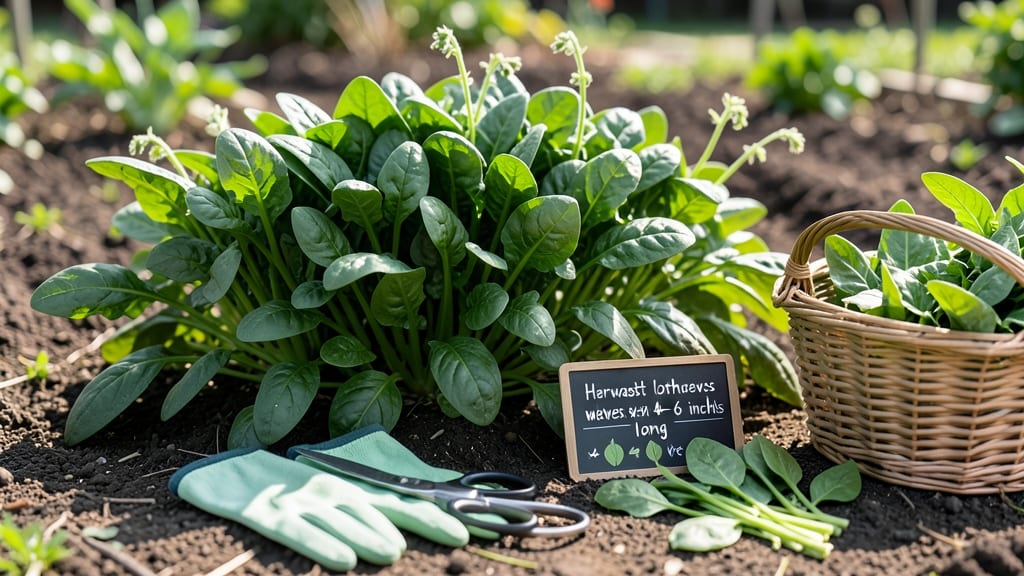
To pick spinach from your garden at the perfect time means harvesting tender, flavorful leaves before they turn bitter or bolt into flower.
Picture this: you’ve nurtured your 🥬 spinach for weeks, only to pull a leaf that tastes like soap. That’s the cost of waiting too long—or picking too soon.
The sweet spot is when leaves hit 4–6 inches, dark green and crisp, but before they develop tough stems or flower stalks.
Timing isn’t just about leaf size—it’s also about the weather. In USDA Zone 6a, spring spinach thrives in cool 50–70°F temps, while fall crops need to be picked before the first frost. Miss the window, and you’ll watch your plants bolt faster than you can say “salad.”
Here’s the game-changer: a simple leaf-by-leaf method that keeps your spinach producing for weeks, plus how to spot the 5 signs your plants are begging to be harvested—before they turn bitter or bolt.

Spinach harvest timing: exact leaf size & growth stages for optimal flavor
Timing your spinach harvest is everything—picking too early means small yields, while waiting too long turns tender leaves into tough, bitter stalks. The key lies in watching for leaf size, color depth, and growth stage cues that signal peak flavor.
Baby leaves (4-6 inches) offer the sweetest taste, while mature leaves (8-12 inches) provide more substance but require quick cooking to preserve texture.
Spinach thrives in cool weather, and its growth stages accelerate as temperatures rise.
In spring, plants mature faster, while fall harvests often stretch longer due to milder conditions. Day length also plays a role—longer daylight hours in summer can trigger bolting, so timing your harvest before flowering is critical for maximizing your crop.
| Growth Stage | Leaf Size | Days to Harvest | Flavor Profile | Harvest Method |
|---|---|---|---|---|
| Baby Leaves | 4-6 inches | 30-45 days | Sweet, delicate | Cut-and-come-again |
| Mature Leaves | 8-12 inches | 45-60 days | Bold, slightly bitter | Full leaf harvest |
| Overmature | 12+ inches | 60+ days | Bitter, fibrous | Avoid harvesting |
For baby spinach, aim to harvest when leaves reach 4-6 inches—this is the sweet spot for tender, crisp greens. Use clean pruning shears or your fingers to snip the outer leaves, leaving the inner growth intact.
This method encourages continuous production, giving you a steady supply of fresh spinach for weeks. Baby leaves are ideal for salads, smoothies, or quick stir-fries where texture matters most.
Mature leaves (8-12 inches) develop a deeper flavor and thicker texture, making them perfect for sautéing or blending into soups. These leaves take longer to grow—typically 45-60 days—so plan your harvest accordingly.
If you're growing spinach for a final harvest, let a few leaves mature fully while continuing to pick the outer baby leaves to prolong the plant's life.
Watch for visual cues like leaf color and stem thickness. Dark, rich green leaves indicate maturity, while pale or yellowing leaves suggest stress or overripeness. The stem base will thicken as the plant prepares to bolt, signaling it's time to harvest before flowering begins.
Bolting not only reduces flavor but also diverts the plant's energy toward seed production instead of leaf growth.
Regional climate plays a huge role in harvest timing. In cooler zones (USDA 3-6), spinach thrives in early spring and fall, with harvests stretching from March to May and September to October.
Gardeners in warmer zones (USDA 7-10) should focus on fall planting, harvesting before summer heat sets in. Shade cloth can help extend the season in hotter climates by reducing stress on the plants.
Temperature swings are your biggest enemy—spinach bolts quickly when exposed to consistent temps above 75°F. To delay bolting, provide afternoon shade during heatwaves and keep soil consistently moist. Mulching with straw or grass clippings helps maintain even moisture levels, which is critical for preventing stress-induced bolting.
Even a few days of drought can trigger flowering, so prioritize watering during dry spells.
Pro tip: Harvest in the morning when leaves are crisp and hydrated. Avoid picking after rain, as wet leaves are more prone to disease and may not store as well.
Store harvested spinach in a perforated plastic bag in the fridge for up to 5 days, or blanch and freeze for long-term storage. Proper handling after harvest ensures you enjoy that fresh-picked flavor long after your plants are gone.
If you're growing spinach for continuous harvests, space your plantings 2 weeks apart in spring and fall. This staggered approach ensures a steady supply of fresh greens throughout the season. For example, plant your first batch in early March, followed by successive plantings in late March and early April.
Each batch will mature at slightly different times, giving you a prolonged harvest window.
Remember, spinach is a cool-season crop, and its growth slows dramatically in heat. If your plants start to yellow or develop a bitter taste, it's a sign they're struggling with stress. In this case, harvest what you can and let the plant rest—it may recover with cooler weather.
With the right timing, you can enjoy a bounty of tender, flavorful spinach straight from your garden all season long.
How to prevent bolting: 5 critical signs your spinach is ready to flower
Spinach bolting—when it prematurely sends up a flower stalk—can turn your tender greens into bitter, woody messes. Temperature swings (especially sudden warmth) trigger this, but you can still salvage your harvest by spotting the warning signs early.
The key is acting before those flowering stalks appear, which means watching for subtle changes in leaf shape and plant structure.
First, pay attention to leaf shape changes. Healthy spinach leaves grow broad and flat, but when bolting begins, the edges start curling inward or developing a cup-like shape. This happens because the plant redirects energy toward seed production.
If you notice leaves forming tighter, more compact shapes—especially along the outer edges—your spinach is already stressed and heading toward bolting.
Next, check for stem thickening at the base. A healthy spinach plant has slender stems, but when bolting starts, the main stem and side shoots begin to bulge and harden.
Run your fingers along the stem: if it feels thicker than a pencil, you’re in the critical window to harvest before the plant diverts all its energy upward.
🚨
Act NOW if you see:
- ✅ Flowering stalks (even tiny buds) = harvest immediately—leaves will turn bitter.
- ✅ Leaves curling inward = pick outer leaves to extend harvest.
- ✅ Stems thickening = harvest within 2-3 days before bolting completes.
Pro Tip: Morning harvests in cool weather (below 75°F) keep spinach tender longer.
Don’t ignore flowering stalks, even if they’re just tiny buds. Once a stalk emerges, your spinach’s focus shifts entirely to reproduction, and the leaves will quickly become tough and bitter.
If you catch the stalk early (under 2 inches tall), you can still salvage the outer leaves for cooking—just avoid eating the inner leaves, which may already be affected.
To extend your harvest season, focus on temperature control. Spinach bolts when soil temps exceed 75°F for more than 3 days. Use shade cloth (30-50% coverage) during heatwaves, and water deeply in the early morning to keep roots cool.
If you’re in a hot climate, opt for bolt-resistant varieties like ‘Bloomsdale Long Standing’ or ‘Tyee,’ which tolerate heat slightly better than others.
Finally, harvest strategically. Always pick the outer leaves first, leaving the inner, younger leaves to mature. This “cut-and-come-again” method tricks the plant into focusing on leaf growth rather than flowering.
If your spinach is already bolting, harvest the entire plant—just use the leaves quickly in salads or sautés before bitterness sets in.
With these 5 critical signs in mind, you’ll turn bolting from a gardening disaster into a manageable challenge—ensuring your spinach stays sweet, tender, and ready to harvest for weeks. 🥬