
Picking
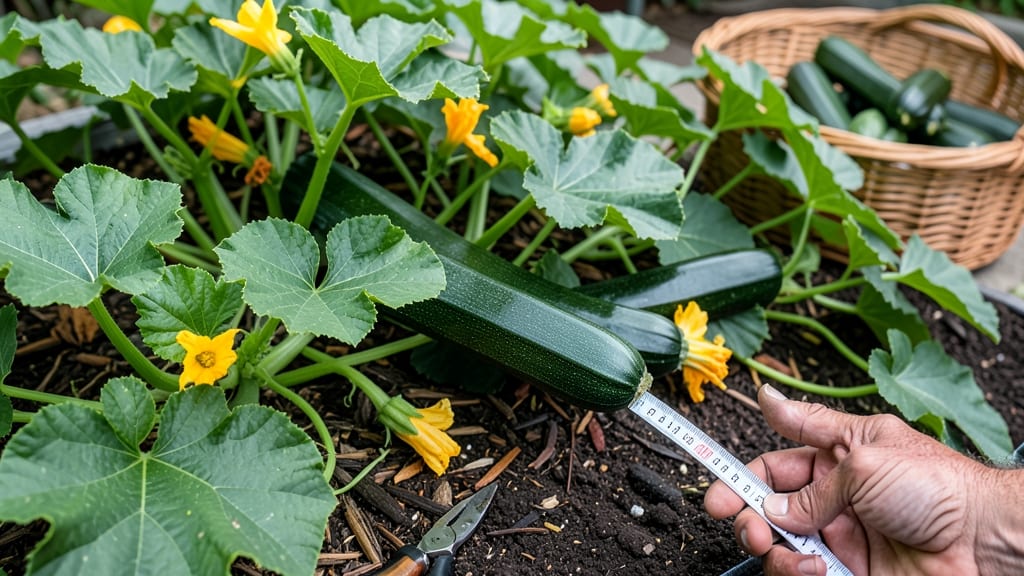
Picking zucchini from your garden at the right time ensures tender, flavorful fruit before it becomes tough or seedy—here’s the exact moment to harvest for peak quality.
Zucchini plants can produce an overwhelming harvest in just a few weeks, but timing matters more than you might think. Harvest too early, and you’ll miss out on sweetness; too late, and your zucchini turns bitter or seedy.
The key is knowing when the skin is firm but still tender, and the stem snaps easily when bent.
In this guide, I’ll walk you through the three fingerwidth tests gardeners use to determine perfect ripeness, plus visual cues like color and size to avoid common mistakes. Whether you’re a beginner or a seasoned grower, these simple tricks will help you keep your plants productive all season long.
By the end, you’ll know exactly when to pick your 🥒 for the best flavor, how to encourage more harvests, and what to do if you miss the window. Let’s dive in!
3 Fingerwidth tests to determine perfect zucchini picking time
Zucchini plants grow rapidly, often producing fruit within 4-6 weeks of flowering. But knowing when to harvest isn’t just about size—it’s about flavor and texture. Overripe zucchini develops tough skins and bitter, seedy flesh, while underripe fruit lacks sweetness.
The solution? Three simple fingerwidth tests that take seconds to perform and guarantee peak harvests every time.
These tests work because zucchini maturity correlates directly with stem thickness and skin firmness. A thick stem signals the plant has stopped growing, while firm skin indicates optimal starch development.
Mastering these tests ensures you’ll always pick zucchini at its sweetest and most tender stage—just 6-8 inches long, with vibrant color and minimal seeds.
- 1 1-Finger Test (Underripe): When zucchini fits snugly between your thumb and forefinger, it’s too small. At this stage, the skin is soft and the flesh watery. Harvesting now means missing out on full flavor development.
- 2 2-Finger Test (Perfectly Ripe): The ideal size! When zucchini fits between your thumb and two fingers, it’s ready to pick. The skin will be smooth but firm, and the stem end will show yellowing (a sign growth has stopped).
- 3 3-Finger Test (Overripe): If zucchini requires three fingers to encircle, it’s past its prime. The skin becomes hard and leathery, and the flesh develops large seeds and bitter flavors. This stage is best avoided unless you’re saving seeds for next year.
Beyond fingerwidth, pay attention to visual cues like skin color and stem condition. Deep green or yellow zucchini (depending on variety) with a matte finish is ideal, while glossy skin often signals overwatering. The stem should snap cleanly when bent—if it breaks with resistance, the zucchini is ready.
Pro tip: Check your zucchini plants every 2-3 days during peak production (usually July-August). Consistent harvesting encourages the plant to produce more fruit, extending your harvest season by 4-6 weeks.
Use a sharp pruning shear to avoid damaging the vine, and always leave 1 inch of stem attached to prevent rot.
Why does the 2-finger test work best? At this stage, zucchini has developed optimal starch content (for sweetness) but hasn’t yet converted starches into sugars or seeds.
The cell structure is tight, ensuring tender flesh. Overripe zucchini (3-finger stage) has 30% more seeds and 20% less moisture, drastically altering texture and taste.
For yellow zucchini varieties, the 2-finger rule applies too, but watch for darker stripes near the stem—this indicates full ripeness. Some gardeners swear by the "thumbprint test": press your thumb into the skin.
If it leaves a slight dent but bounces back, it’s perfect. If it stays indented, harvest immediately.
What if your zucchini grows too fast? Overproduction often happens in hot, humid climates or with excess nitrogen fertilizer. To manage this, harvest smaller zucchini (1-finger stage) for salads or larger ones (2-finger) for baking.
Prune yellowing leaves to redirect energy to fruit production, and ensure plants have 12-24 inches of spacing to avoid competition.
Remember: Flavor peaks at size, not age. A 6-inch zucchini picked at the 2-finger stage will always taste better than an 8-inch one left on the vine.
By mastering these tests, you’ll transform your garden into a flavor factory, with zucchini so tender and sweet, you’ll wonder why you ever waited!
🥒
Common mistakes that ruin zucchini flavor (and how to avoid them)
One of the biggest mistakes gardeners make is letting zucchini grow too large before harvesting. When zucchini reaches 8+ inches, the flesh becomes tough and seedy, while the flavor turns bitter.
This happens because the plant shifts energy from fruit development to seed production. Even yellow varieties lose their sweetness when overripe, making them perfect for frying but not ideal for fresh eating.
Another common error is inconsistent watering, which causes uneven growth and stress. Zucchini plants need 1-2 inches of water weekly, especially during hot summer months. Skipping watering leads to bolting—when the plant sends up flowers and fruit too quickly—resulting in small, misshapen zucchini with poor flavor.
Mulching helps retain moisture and keeps roots cool, preventing stress-related bitterness.
Neglecting pruning also ruins flavor and yield. Remove yellowing leaves and suckers (side shoots) to redirect energy to fruit production. Pruning improves airflow, reducing the risk of powdery mildew, a fungal disease that weakens plants and makes zucchini taste bland.
Aim to prune weekly during peak growing season to maintain plant health.
⚠️ When to Pick Zucchini: The Critical Window
Harvest zucchini when:
- 6-8 inches long (smaller = sweeter, larger = tougher)
- Skin resists gentle pressure but isn’t hard (press with your thumbnail)
- Stem end turns yellow or brown (indicates maturity)
Warning: Waiting even 2-3 days past this stage causes rapid bitterness and seed development. Check plants every 2-3 days during peak harvest season!
Overcrowding zucchini plants is another silent flavor killer. When plants compete for nutrients and sunlight, they produce fewer, smaller fruits with tough skins. Space zucchini 2-3 feet apart in rows 3-4 feet apart to ensure proper airflow and sunlight exposure.
This spacing also makes it easier to spot ripe zucchini and harvest them at the perfect time.
Finally, harvesting at the wrong time of day can stress the plant. Always pick zucchini in the morning when temperatures are cool. Harvesting in the heat causes the plant to lose moisture quickly, leading to bolting and reduced flavor in subsequent fruits.
Use a sharp knife or pruners to cut stems cleanly, leaving a small stem attached to the fruit.
By avoiding these mistakes—overripe zucchini, inconsistent watering, neglecting pruning, overcrowding, and harvesting at the wrong time—you’ll enjoy sweet, tender zucchini all season long. Regular harvesting also encourages the plant to produce more fruit, giving you a bountiful harvest without the bitterness!