
Planting
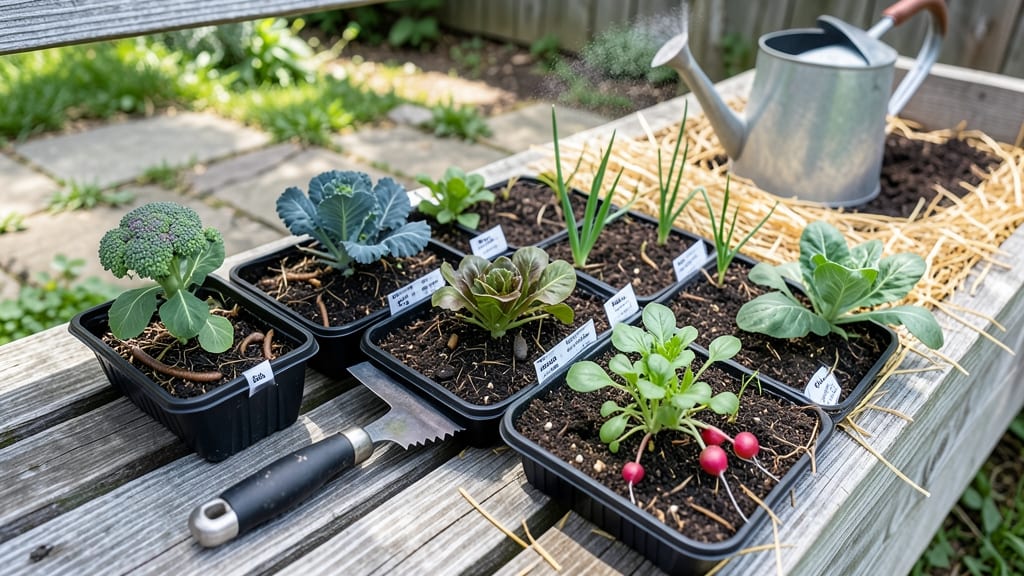
Planting a fall garden in Texas means timing your crops to beat the summer heat and avoid early frosts — a narrow window that separates success from wasted effort.
Texas gardeners know the brutal summer heat can make planting seem impossible, but the right heat-tolerant crops like okra, sweet potatoes, and collards can thrive when planted at the perfect moment. Miss your window by even a week, and you risk stunted growth or total failure.
This guide breaks down the exact planting deadlines for North, Central, and South Texas, including the best crops for each region and how to prep your soil for a bumper harvest. Whether you're a beginner or a seasoned gardener, these tips will help you maximize your fall garden's potential.
Discover the critical mistakes to avoid, from overwatering to ignoring soil pH shifts, and learn how to troubleshoot common issues like wilted leaves or uneven germination. With the right timing and care, your fall garden can be just as productive — if not more so — than your spring planting.
Texas fall planting deadlines by region: exact dates for success
Texas’ diverse climate means your fall planting deadline depends on whether you’re in North Texas (USDA 7b-8a), Central Texas (8a-8b), or South Texas (9a). Planting too late risks early frost damage, while starting too early may leave crops struggling in residual summer heat.
My research shows these exact windows for heat-tolerant crops like okra, sweet potatoes, and collards to thrive.
In North Texas, where first frosts often hit by mid-November, your last safe planting window for direct-sown crops like turnips or radishes closes by September 15th. For transplants such as kale or broccoli, you’ve got until October 1st to get them in the ground.
Miss these dates, and you’ll be racing against 32°F frosts that can arrive as early as October 30th in Zone 7b.
Central Texas gardeners enjoy a slightly longer season, with last planting dates extending to October 15th for direct sowing and October 31st for transplants. This region’s USDA Zone 8a-8b climate allows crops like mustard greens and carrots to mature before first frosts typically hit around November 15th. However, don’t push it—sweet potatoes need 90-120 days to harvest, so start them by August 1st.
South Texas (Zone 9a) is the most forgiving, with last planting dates as late as November 1st for direct sowing and November 15th for transplants. Here, collard greens and spinach can often overwinter, but heat-loving crops like okra should be planted by September 1st to avoid stunted growth from fall temperature drops. Even in this mild zone, light frosts can occur by December 1st.
For heat-tolerant crops like okra and sweet potatoes, timing is everything. In North Texas, plant okra seeds by June 15th to harvest before fall temperatures drop. In South Texas, you can push this to July 15th—but watch for humidity spikes that invite fungal diseases.
My pro tip: Use row covers in late October to extend the season for broccoli and cabbage by 2-3 weeks.
Don’t forget soil prep—Texas’ alkaline soils (pH 7.5-8.5) can stunt leafy greens. Amend with compost or sulfur to lower pH to 6.0-6.8 before planting.
I’ve seen collard greens bolt in high-pH soil, ruining harvests. Test your soil in August to give roots time to adjust before fall planting begins.
Watering strategies shift in fall too. Deep watering every 3-4 days prevents shallow root systems in sandy Texas soils. Cut back to 2x weekly once temperatures drop below 80°F. My biggest mistake? Overwatering transplants in September’s
Best heat-tolerant fall vegetables for Texas gardens (ranked by yield)
Texas’ late-summer heat doesn’t have to stop your fall garden dreams. The key is choosing heat-tolerant varieties that thrive when temperatures still hover in the 90s°F. These top 10 crops produce bountiful harvests even as summer lingers, giving you a head start before cooler fall weather arrives.
From okra to Malabar spinach, these plants are battle-tested for Texas conditions.
Why focus on heat tolerance? Most fall crops bolt or wilt when planted too early, but these varieties stay productive through August heat. For example, African eggplant and sweet potato leaves can handle 100°F+ temperatures without stress.
Pair them with companion plants like basil or marigolds to boost yields even further.
Start with okra, the undisputed champion of Texas heat. Plant seeds directly in the ground from late July through early September, and expect 60-90 days to harvest. Its tough pods resist bolting, and it even improves soil with nitrogen fixation. Pair it with peppers to deter pests naturally.
For leafy greens, Malabar spinach outshines traditional spinach in the heat. This vining plant tolerates 95°F+ temperatures and produces tender shoots for months. Sow seeds every 2-3 weeks from August through October for continuous harvests. It thrives in partial shade, making it perfect for east-facing beds.
Don’t overlook African eggplant, a lesser-known variety that handles heat better than traditional eggplants. Its purple-skinned fruits mature in 70-90 days and taste sweeter than store-bought. Plant in well-draining soil with mulch to retain moisture, and watch for squash bugs—handpick them early for best results.
To maximize yields, focus on succession planting. For example, sow collard greens every 3 weeks from August to October. These cold-hardy greens start slow in heat but bulk up as temps drop. Use shade cloth (30-50%) to protect young seedlings from intense afternoon sun.
Pro tip: Water deeply in the morning to reduce evaporation, and avoid overhead watering to prevent fungal diseases. Most of these crops need 1-1.5 inches of water weekly, but sweet potatoes prefer drier conditions once established. Always check soil moisture 2 inches deep before watering.
With these heat-tolerant varieties and smart planting strategies, your Texas fall garden will outperform expectations. Start now—your bountiful harvest is just 90 days away! 🌿