Planting
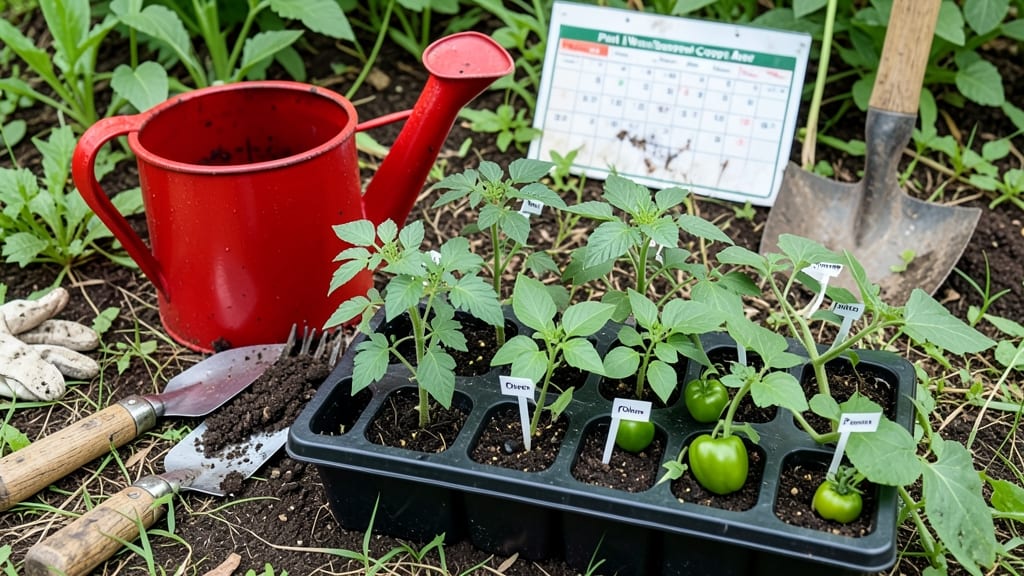
Planting a garden in Alabama at the right time means the difference between a bountiful harvest and a wasted season—cool-season crops need to go in by early March, while warm-season plants wait until after the last frost.
Alabama’s warm climate and long growing seasons make it a gardener’s paradise—but planting too early or too late can ruin your harvest. Timing is everything, and missing the frost-free window means risking lost crops or stunted growth.
North Alabama’s cooler Zone 7a has a later last frost date (around March 15), while South Alabama’s Zone 8b can start planting as early as February. Whether you’re growing lettuce or tomatoes, knowing your region’s frost-free deadline is the key to success.
In this guide, you’ll learn the exact planting windows for your crops, how to adjust for Alabama’s unpredictable weather, and even how to extend your growing season for a fall harvest. Let’s get your 🌱 General Alabama Garden off to the best start!
Alabama’s frost-free deadlines by region: when to plant cool-season crops
Alabama’s cool-season crops like lettuce, spinach, and broccoli thrive in mild temperatures but bolt or suffer when summer heat arrives. Knowing your last frost date is critical—plant too early, and frost will kill tender seedlings; too late, and your harvest will wilt under Alabama’s 90°F+ temperatures.
Each region has its own timeline, so let’s break it down by USDA Zone to ensure your garden succeeds.
North Alabama (Zone 7) has the latest frost dates, often as late as March 31, while South Alabama (Zone 8a/9) can start planting as early as February 15. Central Alabama (Zone 8) falls in between, with frost-free dates around March 15.
These differences mean your cool-season planting window could be a full month earlier in the south than in the north. Let’s dive into the specifics for your region.
For North Alabama gardeners, the window to plant cool-season crops is tight—you’ll want to get seeds in the ground by April 15 at the latest. Lettuce and spinach are the most heat-sensitive, so prioritize them first.
In Central Alabama, you have a bit more flexibility, but don’t wait past April 1 for broccoli or peas, as they’ll struggle in the heat. South Alabama’s early start means you can even plant spinach in January, but be prepared to use shade cloth if temperatures spike unexpectedly.
One of my biggest mistakes was planting lettuce in early April in North Alabama—by May, the plants were bolting (going to seed) and tasted bitter.
Since then, I’ve learned to stick to the 4-6 week rule: Plant your first round of cool-season crops 4-6 weeks before your last frost date and follow with succession plantings every 2 weeks. This ensures a steady harvest before the summer heat sets in.
If you’re unsure about your exact last frost date, check the Alabama Extension Service’s frost maps or use a local weather app to track overnight lows. For extra protection, use row covers or cold frames to extend your planting window by 2-3 weeks.
These tools can make the difference between a thriving garden and a failed crop.
Don’t forget to prep your soil before planting. Cool-season crops prefer well-draining, slightly acidic soil (pH 6.0–7.0). Amend your beds with compost or aged manure a few weeks before planting to give roots a nutrient boost.
I also like to add a slow-release fertilizer at planting time to support steady growth. Over-fertilizing can lead to lush foliage but fewer edible crops, so aim for balance.
For peas and broccoli, which are slightly more heat-tolerant, you can push the envelope a bit. In Central and South Alabama, you might get away with planting broccoli as late as early March, but monitor weather forecasts.
A late frost in March can still damage young plants, so have a backup plan—like growing them in containers that you can move indoors if needed.
Once your cool-season crops are in the ground, consistent watering is key. Alabama’s spring weather can be unpredictable—one day sunny and warm, the next chilly with rain. Water deeply <
Best warm-season planting times in Alabama: tomatoes, peppers, and more
Alabama’s long, steamy summers are perfect for growing heat-loving crops like tomatoes, peppers, and squash—but timing matters. Plant too early, and your seedlings will wilt in the heat; too late, and you’ll miss the growing season entirely.
The key is waiting until the soil warms to 60°F+ and aligning your planting with Alabama’s frost-free deadlines.
For most of the state, warm-season planting begins in late March to early April in North Alabama (Zone 7) and mid-March in South Alabama (Zone 8a/9).
However, if you’re aiming for a fall harvest, start seeds indoors in July or transplant seedlings in late July to early August to beat the first frost.
- 1. Tomatoes: Plant transplants after last frost (late March–early April) or direct-seed when soil hits 60°F (April–May). For fall, plant 8–10 weeks before first frost (late July–early August).
- 2. Peppers: Wait until soil is 65°F+ (April–May). Start indoors in March for earlier harvests. Fall planting? Try late July for shorter varieties.
- 3. Squash & Okra: Direct-seed after soil warms to 70°F+ (May–June). Okra thrives in hotter months (June–August) and can handle Alabama’s summer heat.
- 4. Eggplant: Needs warm soil (70°F+)—plant in May–June. Fall planting is tricky; opt for fast-maturing varieties if trying late summer.
- 5. Sweet Potatoes: Plant slips (young plants) in May–June after the last frost. They love long, hot summers and mature by fall.
Don’t overlook soil temperature—it’s just as critical as air temperature. Use a soil thermometer to confirm warmth before planting. Black plastic mulch can help warm the soil faster if you’re in a hurry to start the season.
For a fall harvest, focus on short-day crops like tomatoes and peppers. Start seeds indoors in July and transplant outdoors by late July to early August. Use row covers to protect young plants from unexpected early frosts in October.
Pro tip: Succession planting works wonders in Alabama’s heat. Sow okra and southern peas every 2–3 weeks from May through July for a continuous harvest. These crops thrive in 90°F+ temperatures, making them perfect for Alabama’s peak summer.
Remember, Alabama’s humidity can lead to fungal diseases like blight. Space plants properly, water at the base (not overhead), and choose disease-resistant varieties for your warm-season garden. With the right timing, you’ll enjoy a bountiful harvest from June through November! 🌱