Planting
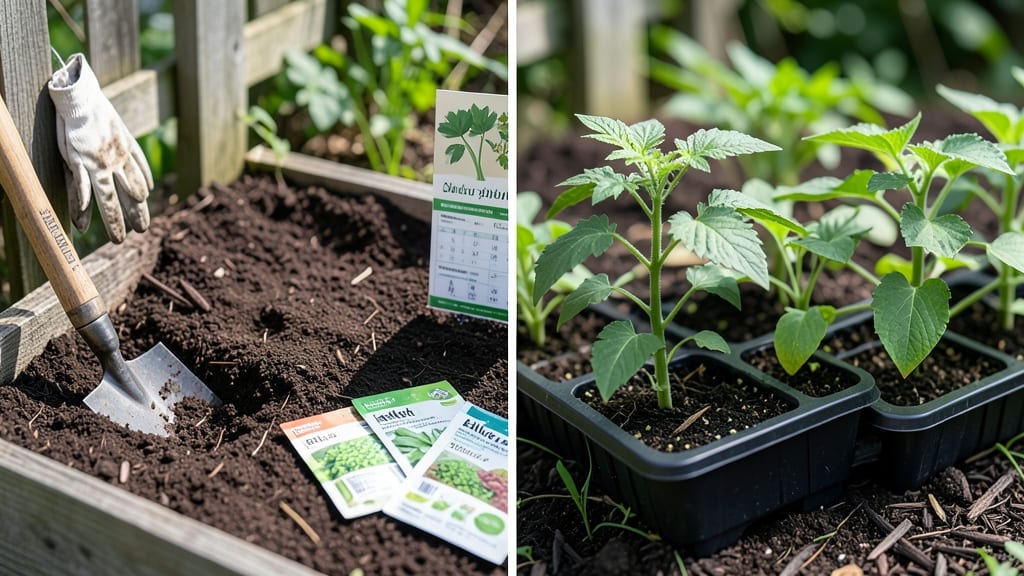
Planting a garden in Tennessee at the wrong time can mean wasted seeds and missed harvests—but timing it right unlocks bountiful yields all season long.
Picture this: you’ve prepped the soil, ordered your seeds, and then—BAM—a late frost wipes out your seedlings before they even sprout. Or worse, you plant heat-lovers like tomatoes too early, and they bolt before producing fruit.
The difference between a thriving 🌱 patch and a sad, stunted garden often comes down to those frost-free dates by zone.
Tennessee’s 6a-7b zones span from the Smoky Mountains to Memphis, meaning Nashville’s last frost (March 15) doesn’t match Knoxville’s (March 1) or Chattanooga’s (March 22).
Cool-season crops like lettuce and peas need to hit the soil 4-6 weeks before that final freeze, while tomatoes and peppers wait until after the danger has passed.
Below, I break down the exact planting windows for your region, adjust for microclimates (like urban heat islands), and share pro tips to stretch your season—so you’re harvesting instead of second-guessing.
Tennessee frost-free dates by USDA zone: when to start planting
Tennessee spans USDA zones 5a through 7a, creating dramatic differences in frost dates across just a few hours' drive. In zone 5a (eastern highlands like Bristol), gardeners face a 100-day shorter growing season than those in zone 7a (Memphis).
Knowing your exact last spring frost and first fall frost dates is the key to timing plantings perfectly—and avoiding frost damage to tender seedlings.
For most Tennessee gardeners, the average last frost date falls between mid-March and early April, while the first frost arrives between mid-October and mid-November.
These dates shift dramatically with elevation: Mountain regions (zones 5a-6a) can see frost as late as May 1 in spring, while lowland areas (zones 7a) may stay frost-free until November 15.
Let’s break down the specifics by zone so you can plan your cool-season crops (like spinach and broccoli) and warm-season crops (like tomatoes and peppers) with precision.
Cool-season crops like lettuce, spinach, and peas thrive when planted 4-6 weeks before your last frost date. In zone 5a, this means starting seeds indoors by mid-February or sowing directly in early March.
For zone 7a, you can plant these crops as early as January or even later in fall—up to October 15—for a second harvest before frost.
Warm-season crops such as tomatoes, peppers, and basil need soil temperatures above 60°F to germinate. In zone 6a, wait until April 15 to plant these outdoors, while zone 7a gardeners can start as early as March 15.
For faster results, use biodegradable pots to transplant seedlings after the last frost instead of direct-sowing, which can be risky if a late freeze hits.
Don’t forget about fall planting! In zone 6b, you can still sow broccoli and kale until September 1 for a harvest before winter. In warmer zones like 7a, spinach and radishes can be planted as late as October 15.
The key is to choose fast-maturing varieties (like ‘Early Wonder’ peas) and use mulch to protect roots from early frosts.
Local microclimates can shift frost dates by 1-2 weeks. If you live in a
Best planting times for Tennessee’s top vegetables & flowers
Timing is everything in Tennessee gardening—where warm springs and unpredictable frosts can turn a promising crop into a sad memory. Knowing the perfect window for your tomatoes, peppers, and marigolds means the difference between a bumper harvest and a disappointing flop.
Most Tennessee gardeners (USDA zones 6a-7b) can start warm-season crops after April 15, but cooler zones like East Tennessee may need to wait until May 1.
Raised beds warm up faster than in-ground soil, giving you a 2-3 week head start on planting. This is especially helpful for heat-loving plants like peppers and okra, which thrive when soil temperatures hit 70°F+.
Meanwhile, cool-season crops like lettuce and broccoli should go in 4-6 weeks before your last frost—typically by mid-March in West Tennessee and late March in East Tennessee.
- 1. Tomatoes & Peppers: Plant after May 1 (soil 65°F+) for best results. Raised beds can start 2 weeks earlier—around April 15.
- 2. Beans & Cucumbers: Sow mid-April to May in full sun. Bush beans are faster to mature (50-60 days), while pole beans take 60-70 days.
- 3. Marigolds & Zinnias: Direct-sow after last frost (early April in West TN, late April in East TN). Marigolds deter pests, while zinnias bloom in 6-8 weeks.
- 4. Fall Planting: Start cool-season crops like kale and spinach in late July to early August for a fall harvest before frost.
- 5. Raised Bed Bonus: Warm soil 10-15°F faster than in-ground, letting you plant tomatoes and peppers 2 weeks earlier—critical for short Tennessee summers.
For flowers like zinnias and marigolds, timing matters less but still impacts blooms. Direct-sow after frost (early April in West TN, late April in East TN) for continuous color. Zinnias are heat-tolerant and bloom in just 6-8 weeks, while marigolds repel pests and thrive in poor soil, making them a Tennessee gardener’s secret weapon.
If you’re growing peppers, wait until soil is 70°F+—usually mid-May—to avoid stunted growth. Bell peppers take 70-80 days to mature, so late starts may not pay off. Hot peppers, however, mature faster (60-70 days) and can handle slightly cooler soil.
Don’t forget fall planting! Cool-season crops like broccoli, carrots, and lettuce can be sown in late July to early August for a harvest before the first frost (mid-November in West TN, early November in East TN).
This second planting extends your harvest and keeps your garden productive year-round.
Pro tip: Use row covers to push spring planting 2 weeks earlier or fall harvests 2 weeks later. They’re especially useful in East Tennessee’s cooler zones (6a) to protect tender seedlings from late frosts. With the right timing, your Tennessee garden can produce year-round harvests—even in unpredictable weather.