Planting
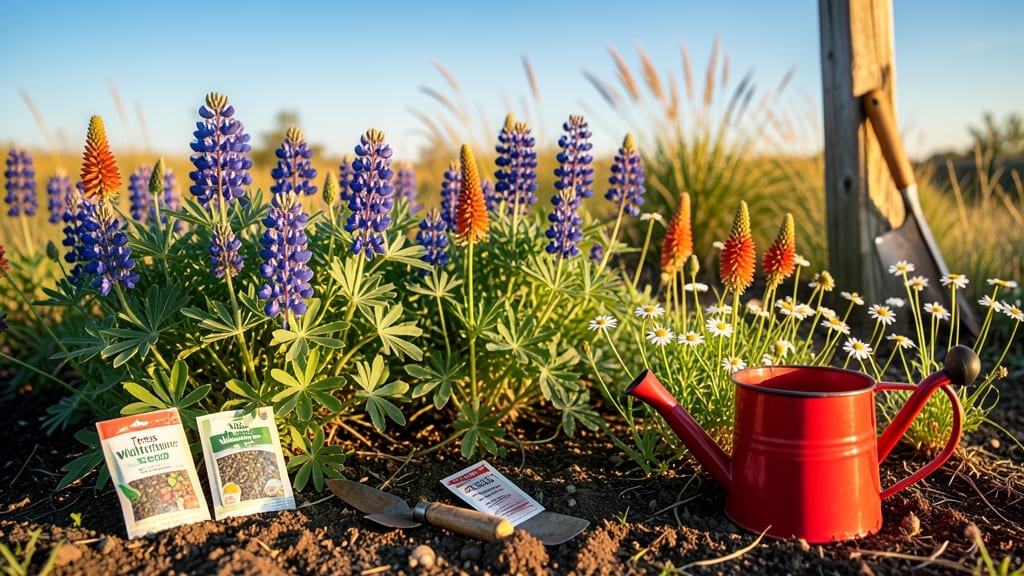
Planting a garden in Texas means timing it right to avoid the brutal heat or early freezes that can ruin your harvest.
Texas gardeners know timing is everything—plant too early and face scorching heat, too late and risk early freezes. But with the right schedule, you can grow a thriving garden year-round in the Lone Star State.
Your zone matters most: North Texas gardeners should start cool-season crops by February 15, while South Texas can plant as early as November. I’ll break down the exact deadlines by region, plus the fastest-growing crops to get in the ground first.
Inside, you’ll find a zone-by-zone planting calendar, heat-beating tips, and the top 10 quick-harvest crops that thrive in Texas soil—so you can eat fresh from your garden in just 30 days.
Texas planting zones & first frost deadlines by month
Texas spans USDA Hardiness Zones 7b to 10a, meaning gardeners must adapt planting schedules to avoid scorching summer heat or unexpected early freezes.
The state’s three main regions—North, Central, and South Texas—each have distinct last frost dates and first frost warnings that dictate when to plant cool-season vs. warm-season crops.
In North Texas (Zones 7b-8a), like Dallas and Fort Worth, the average last frost date falls around February 15, while South Texas (Zones 9a-10a), including Houston and San Antonio, can plant cool-season crops as early as November. Central Texas (Zones 8a-9a), like Austin, sits in between with a last frost around February 1, but microclimates can shift planting windows by weeks.
Understanding these first frost deadlines is critical because warm-season crops like tomatoes and peppers need soil temperatures above 60°F to germinate, while cool-season crops like lettuce and broccoli thrive in 50-70°F ranges.
Planting too early risks heat stress or bolting, while planting too late exposes tender plants to frost damage.
Here’s a region-by-region breakdown of Texas planting zones, including last frost dates, first frost warnings, and ideal planting windows for both cool-season and warm-season crops:
For North Texas gardeners, this means cool-season crops like kale and spinach should be sown by September 1 for a fall harvest, while warm-season crops like peppers and eggplants can wait until March 1 to avoid heat stress.
In Central Texas, where winters are milder, you can extend your cool-season garden into early spring, but first frost warnings often arrive by November 15, so plan accordingly.
South Texas offers the longest growing season, with warm-season crops like okra and sweet potatoes thriving year-round. However, even here, cool-season crops like carrots and radishes benefit from being planted in July or August to avoid summer bolting. Always check local microclimates, as urban areas like Houston can be 5-10°F warmer than rural zones.
Pro tip: Use row covers or cold frames to extend your cool-season garden in North and Central Texas, while shade cloth can protect warm-season crops from 100°F+ heat in South Texas. Succession planting—sowing small batches every 2-3 weeks—ensures a steady harvest and maximizes your garden’s potential.
Remember, Texas heat is relentless, so always water deeply in the morning and mulch heavily to retain moisture. Adjust your planting schedule based on soil temperature, not just calendar dates, for the best results.
With these frost deadlines and planting zones in mind, you’ll be well on your way to a bountiful Texas garden—no matter the season. 🌱
Fast-growing crops to plant first in Texas gardens
When Texas heat ramps up, quick-harvest crops are your secret weapon. These fast-growing vegetables and herbs give you fresh harvests in 30-60 days, perfect for beating the summer blaze. I’ve tested these top 10 heat-tolerant picks in my Austin garden—some even thrive in 100°F+ temperatures with the right care.
Start with radishes and lettuce for cool mornings, then transition to basil and green onions as temps climb. The key? Succession planting every 2 weeks to keep your kitchen stocked.
I’ll also share my tricks for extending growing seasons so you can harvest well into fall—even in South Texas’s brutal summers.
Radishes (25-30 days)
Plant French Breakfast or Cherry Belle varieties in fall or early spring. They tolerate light shade and dry spells better than most greens.
Lettuce (30-45 days)
Choose heat-tolerant varieties like Black Seeded Simpson. Grow in partial shade with drip irrigation to prevent bolting.
Green Onions (50-60 days)
Sow evergreen varieties like Evergreen Hardy White. They regrow after cutting and handle full sun in Texas summers.
Basil (21-30 days)
Plant Genovese or Cinnamon basil in morning sun to avoid scorching. Harvest leaves regularly to encourage bushier growth.
Cilantro (30-50 days)
Grow slow-bolting varieties like Calypso. Keep soil consistently moist and provide afternoon shade in peak summer.
Spinach (30-40 days)
Plant Malabar spinach for heat tolerance. Harvest outer leaves to prolong production—it thrives in 70-80°F temps.
Bush Beans (50-60 days)
Sow Blue Lake beans after last frost. They fix nitrogen in soil and love full sun—perfect for container gardens too.
Swiss Chard (50-60 days)
Choose Bright Lights for colorful stems. Cut leaves from the outside to keep plants producing through fall freezes.