
Planting
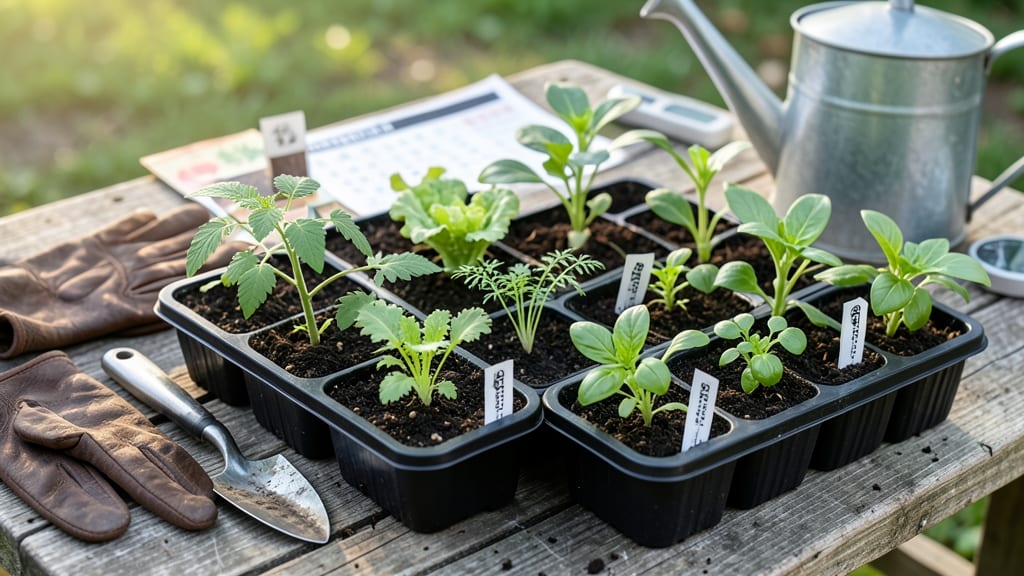
To plant a vegetable garden in California, timing depends on your county—coastal areas like San Francisco can start as early as February, while inland deserts wait until March or April to avoid heat stress.
California’s diverse microclimates mean your vegetable garden can thrive year-round—but planting at the wrong time can lead to wasted seeds and stunted growth. Avoid common mistakes and unlock the secrets to a bountiful harvest by understanding the perfect planting windows for your county.
From frost-sensitive tomatoes in the Central Valley to heat-loving peppers in Southern California, the right schedule makes all the difference. Whether you’re a first-time gardener or a seasoned grower, knowing when to sow ensures your 🌱 garden stays productive from spring through fall.
Below, I break down the best months for cool-season crops like lettuce and warm-season favorites like zucchini, plus how to extend your harvest with succession planting—all tailored to your specific region.
California planting zones by county: best months for cool-season vs warm-season vegetables
California’s planting zones range from USDA Zone 7 in the northern mountains to Zone 11 in desert regions, creating wildly different growing seasons. Coastal areas like San Francisco (Zone 9-10) enjoy mild winters, while inland valleys like Sacramento (Zone 9) experience frost risks.
Understanding these variations ensures you plant cool-season crops (like lettuce) at the right time and avoid bolting warm-season crops (like tomatoes) in heat.
Northern counties—such as Humboldt and Mendocino—have cooler temperatures and later last frost dates (typically March–April), allowing for longer cool-season growing windows. Southern counties like San Diego and Riverside (Zones 10-11) rarely see frost, so warm-season crops can start as early as February.
Even within regions, microclimates matter: desert areas (e.g., Imperial Valley) can plant tomatoes in January, while coastal fog belts (e.g., Santa Cruz) delay planting until April.
Key factors to consider include frost-free dates, heat tolerance thresholds (e.g., peppers need 75°F+ soil), and soil warmth. For example, carrots and spinach thrive in 50–65°F soil, while cucumbers and squash require 60–85°F. Below is a breakdown of planting windows by region to help you align your garden with California’s diverse climate.
| Region/County | USDA Zone | Cool-Season Crops (Lettuce, Peas, Broccoli) | Warm-Season Crops (Tomatoes, Peppers, Cucumbers) | Key Notes |
|---|---|---|---|---|
| Northern CA (Humboldt, Mendocino, Lake) | Zone 7–9 | Plant September–October (fall) and March–April (spring) | Plant May–June after last frost | Frost risk until May; use row covers for early crops. |
| Central Coast (Santa Barbara, Monterey, San Luis Obispo) | Zone 9–10 | Plant September–October and February–March | Plant April–May (cooler inland) or March (coastal) | Coastal fog delays planting; inland areas warm faster. |
| Bay Area (San Francisco, Marin, Alameda) | Zone 9–10 | Plant September–October and February–March | Plant April–May (avoid June heat) | Microclimates vary: Berkeley is cooler than San Jose. |
| Central Valley (Sacramento, Fresno, Bakersfield) | Zone 9–10 | Plant September–October and February–March | Plant March–April (soil warms fast) | Hot summers; use shade cloth for sensitive crops. |
| Southern CA (Los Angeles, Orange, Riverside) | Zone 10–11 | Plant August–September (fall) and January–February | Plant February–March (avoid July–August heat) | Desert areas (e.g., Palm Springs) can plant year-round. |
| Desert (Imperial, Riverside Desert) | Zone 10–11 | Plant September–October (cool season only) | Plant January–February and September (avoid summer) | Extreme heat (100°F+) halts growth; use drip irrigation. |
For cool
Year-round succession planting schedule for California gardens: extend harvests without overcrowding
California’s mild winters and long growing seasons make it possible to harvest vegetables year-round—but only if you plan strategically. The key is succession planting, where you stagger crops to maintain continuous production without overcrowding. This method ensures your garden stays productive while preventing soil depletion or pest buildup.
Instead of planting everything at once, I space out sowings every 2-3 weeks for quick-growing crops like lettuce or radishes, or every 4-6 weeks for slower growers like broccoli or cauliflower. This approach maximizes your space and keeps your kitchen stocked with fresh produce.
Here’s how to create your own year-round planting schedule tailored to your California region, including companion planting tips and heat-sensitive crop strategies:
- Cool-season crops: Lettuce, spinach, peas, broccoli, carrots
- Companion tip: Plant basil near tomatoes to deter pests
- Heat-sensitive: Avoid bolting by choosing slow-bolt varieties
- Warm-season crops: Tomatoes, peppers, cucumbers, beans
- Succession tip: Sow radishes every 2 weeks for quick harvests
- Crop rotation: Move potatoes to a new spot to prevent disease
- Heat-tolerant crops: Okra, sweet potatoes, eggplant, zucchini
- Shade tip: Use row covers for greens to prevent bolting
- Companion tip: Plant marigolds near squash to repel pests
- Cool-season crops: Kale, Brussels sprouts, beets, turnips
- Succession tip: Direct-sow spinach every 3 weeks
- Extend season: Use cold frames for lettuce in winter
- Hardy crops: Garlic, onions, peas, fava beans
- Companion tip: Plant clover as a cover crop
- Prep tip: Plan next season’s layout now
To avoid overcrowding, I recommend interplanting fast and slow growers. For example, sow radishes between broccoli rows—the radishes will be harvested before the broccoli needs full space. This technique keeps your garden productive without sacrificing yield.
For a downloadable checklist, visit your local University of California Cooperative Extension website or use free tools like the California Gardening Guide app. These resources provide monthly planting reminders tailored to your specific county’s microclimate.
With this succession planting schedule, you’ll enjoy a continuous harvest while keeping your garden organized and pest-free. Happy planting! 🌱