
Planting
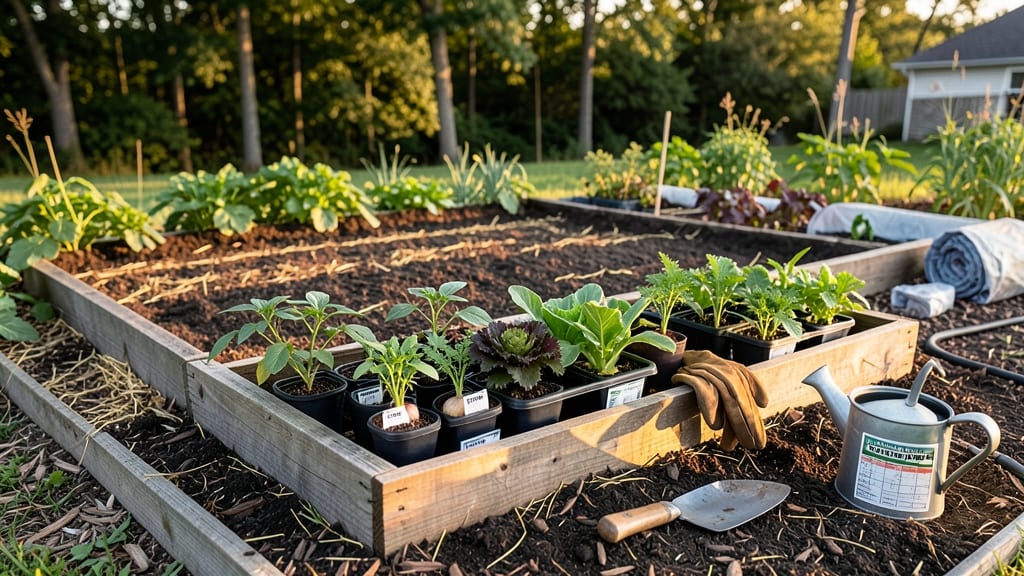
To plant a vegetable garden in Missouri, time your sowing around late March to mid-April for cool-season crops and after your last frost—usually mid-April—before summer heat sets in.
Missouri gardeners know timing is everything—plant too early and frost will ruin your crops, too late and you’ll miss peak harvests. But with USDA zones 5b-7a and 114 counties each with their own frost patterns, figuring out the perfect window can feel overwhelming.
This guide breaks down the critical planting windows by county, so you can start seeds indoors, transplant seedlings, or direct-sow outdoors at the ideal moment for maximum yield.
From lettuce in early spring to tomatoes in summer, you’ll learn exactly when to plant each crop—and how to stretch your growing season for continuous harvests all year.
Missouri last frost dates by county: the critical timeline for planting
Missouri’s 114 counties span USDA hardiness zones 5a to 7a, meaning frost dates vary dramatically—from late March in southern regions to early May in northern areas. These differences determine whether your tomatoes thrive or your lettuce bolts.
Understanding your county’s last average frost date is the first step to planting vegetables at the perfect time.
For example, St. Louis County (Zone 6b) typically sees its last frost around April 15, while Adair County (Zone 6a) waits until April 22. These dates separate cool-season crops (like peas and spinach) from warm-season crops (like peppers and cucumbers).
Planting too soon risks frost damage; too late, and you’ll miss peak harvests.
Below is a county-by-zone breakdown of Missouri’s frost dates, organized by region. Use this to align your planting with Missouri State University Extension recommendations and local gardener insights. For northern counties, wait until after May 1 for warm-season crops, while southern counties can start as early as mid-April.
🌱 Pro Tip: Always have row covers ready for late frosts—even after the average date, a 28°F dip can devastate seedlings. Check the National Weather Service for 5-day forecasts before planting heat-loving crops like eggplants.
| Region | USDA Zone | Last Avg. Frost | First Avg. Frost | Cool-Season Planting | Warm-Season Planting |
|---|---|---|---|---|---|
| Northern (e.g., Adair, Cooper) | 5a-6a | April 22 - May 1 | October 15 - 20 | March 15 - April 1 | May 10 - 20 |
| Central (e.g., Boone, Cole) | 6a-6b | April 10 - 18 | October 5 - 10 | March 1 - March 15 | April 25 - May 5 |
| Southern (e.g., St. Louis, Cape Girardeau) | 6b-7a | March 25 - April 10 | October 20 - 25 | February 15 - March 1 | April 1 - 15 |
| Southwest (e.g., Newton, McDonald) | 7a | March 15 - 25 | October 30 - Nov 5 | February 1 - 15 | March 20 - April 1 |
Data sourced from Missouri State University Extension and local gardener reports. Always verify with your county extension office.
If you’re in Zone 5a (e.g., Daviess or Grundy County), start cool-season crops like kale and carrots indoors in early March. Transplant outdoors by April 1, but be prepared to cover seedlings if temperatures dip below 32°F.
For Zone 7a gardeners, you can direct-sow warm-season crops like okra as early as March 20—just 2 weeks after the average last frost.
For warm-season crops, wait until soil temperatures reach 60°F (use a soil thermometer!) before planting. In northern Missouri, this often means waiting until late May for tomatoes and peppers. In southern Missouri, you can plant cucumbers by April 15.
Best vegetables to plant in Missouri by season: a month-by-month guide
Missouri’s diverse climate means your planting schedule should shift based on whether you’re in northern St. Louis or southern Cape Girardeau. Cool-season crops like lettuce and spinach thrive in early spring, while tomatoes and peppers need warmth—so timing is everything.
Below, I’ll break down the ideal planting windows for Missouri’s top 12 vegetables, including when to start seeds indoors and when to transplant outdoors.
For northern Missouri (Zones 5a-6a), aim to plant cool-season crops 4-6 weeks before your last frost (typically mid-April). In southern Missouri (Zones 6b-7a), you can push warm-season crops like okra and sweet potatoes later into summer.
Always check your local frost dates—they can vary by 2-3 weeks between regions.
- 1 Early Spring (Feb-March): Start cool-season crops indoors—spinach, kale, and onions. Direct-sow peas and radishes outdoors once soil reaches 40°F.
- 2 Late Spring (April-May): Transplant tomatoes, peppers, and eggplants after last frost (mid-April north, early April south). Direct-sow beans and squash once soil warms to 60°F.
- 3 Summer (June-July): Plant heat-tolerant varieties like okra and sweet potatoes in southern Missouri. Succession plant bush beans every 2 weeks for continuous harvests.
- 4 Fall (August-September): Start broccoli, cabbage, and carrots indoors in August. Direct-sow spinach and lettuce 6 weeks before first frost (mid-October).
Missouri’s southern counties can grow peppers and tomatoes year-round with row covers, but northern gardeners should stick to early-maturing varieties like ‘Stupice’ tomatoes or ‘Early Girl’. Always amend soil with compost before planting—Missouri’s clay-heavy soil drains poorly without prep.
For warm-season crops, wait until soil temperatures hit 60°F—use a soil thermometer to avoid stunted growth. Cold frames or row covers can extend your fall harvests by 4-6 weeks, perfect for kale and brussels sprouts.
I’ve seen gardeners in Zone 6a harvest spinach until December with these tricks!
Pro tip: Succession planting every 2 weeks ensures a steady supply of bush beans or lettuce. In Missouri, this means starting new rounds in May, June, and July for a summer-long harvest. Save seeds from your best heirloom tomatoes—they’ll adapt perfectly to Missouri’s climate over time.
Remember, Missouri’s microclimates matter! If you’re in a valley, plant heat-lovers like okra a week earlier than hilltop neighbors. Happy planting—your homegrown harvest is just a few weeks away! 🌱