
Planting
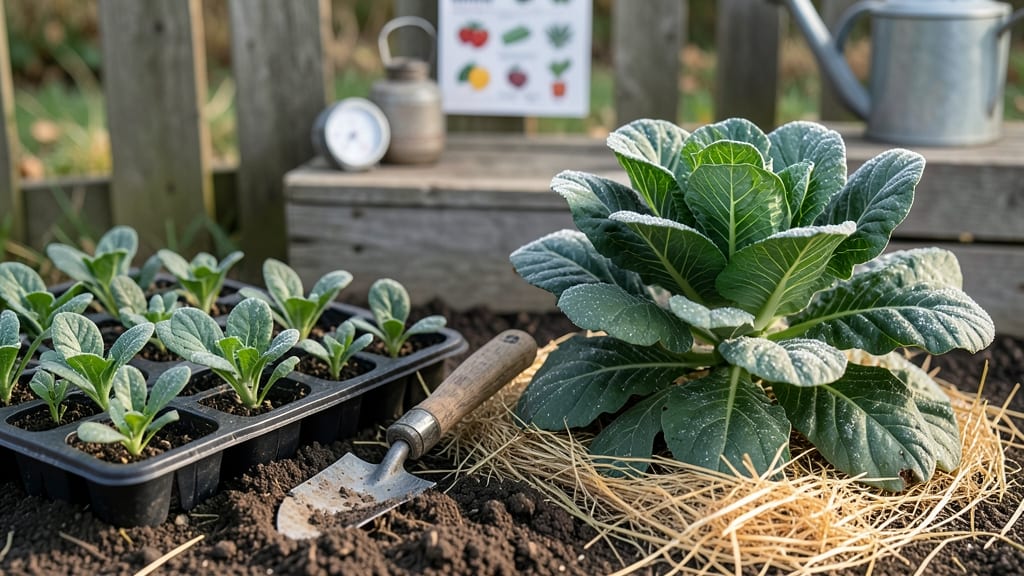
Planting your fall garden in Mississippi between late July and early September sets you up for a harvest just before the first frost—no matter which hardiness zone you’re in.
Here’s the catch: if you wait too long, summer’s lingering heat will stress your cool-season crops, and if you start too soon, you’ll miss the window entirely. I’ve seen beginners rush in July only to watch their broccoli bolt or their carrots turn woody from the heat.
Mississippi’s 8a climate means you’ve got about 120 days between the last summer scorch and the first frost—enough time for leafy greens, root veggies, and brassicas to thrive. But the exact timing shifts between North Mississippi (where frosts hit earlier) and the Gulf Coast (where you can push crops later).
Below, I break down the perfect planting schedule by zone, the top crops for your fall garden, and how to stretch your harvest with simple tricks like row covers and succession planting.
Mississippi fall planting calendar by hardiness Zone (7a-8b)
Mississippi’s fall garden thrives with the right timing—especially when balancing hardiness zones 7a (northern MS) and 8b (southern MS). In Zone 7a, first frost typically arrives by November 15, while Zone 8b holds off until November 25.
Cool-season crops like kale and carrots need 6-8 weeks to mature before frost, so your planting window starts in late July.
For both zones, soil temperatures should drop below 85°F before sowing seeds. Test your soil’s warmth with a soil thermometer—ideal temps for cool-season crops range from 50-70°F.
In Zone 7a, aim for August 1-15 for direct sowing, while Zone 8b gardeners can extend planting until August 31.
In Zone 7a, prioritize fast-maturing crops like radishes (30 days) and bush beans (50 days) for early harvests. Collard greens and turnips can handle light frosts, making them ideal for late September plantings.
For Zone 8b, you’ve got extra time—try broccoli (60-70 days) or cauliflower (80 days) for a hearty fall harvest.
Prepare your soil by adding compost or aged manure in late July to boost nutrients for fall crops. Aim for a pH of 6.0-7.0, ideal for most cool-season vegetables. Test your soil with a home kit or send a sample to your local MSU Extension office for professional analysis.
Succession planting is key—sow small batches every 2 weeks to ensure a continuous harvest. For example, plant lettuce on August 1, 15, and 30 in Zone 7a to enjoy fresh greens through October.
In Zone 8b, stretch your planting window by sowing spinach on August 15, September 1, and September 15.
Watch for late-season pests like
Best cool-season crops for Mississippi fall gardens (ranked by yield & hardiness)
Mississippi’s fall gardens thrive when you choose the right cool-season crops that handle heat stress and early frosts. My top picks balance high yields, frost tolerance, and ease of growth for zones 7a (northern MS) and 8b (southern MS).
These crops deliver harvests from October through December, even after light frosts.
Southern Mississippi (zone 8b) has a longer growing window—you can plant collard greens and turnips as late as mid-October. In colder zone 7a, focus on fast-maturing varieties like bush beans and radishes to beat the first frost (Nov 15).
Both regions benefit from succession planting every 2 weeks for continuous harvests.
My #1 ranked crop is collard greens—they handle Mississippi’s heat better than most greens and sweeten after frost. In zone 8b, I plant Southern Exposure variety in late August for harvests through December. For zone 7a, start Vates collards by July 15 to avoid bolting.
Next on my list are broccoli and kale, both frost-resistant powerhouses. De Cicco broccoli matures in 60 days—perfect for early September planting.
Kale like Winterbor thrives in cool nights and stays productive until January in zone 8b. Both need well-draining soil to prevent clubroot disease, common in Mississippi’s clay soils.
Don’t overlook carrots and radishes for quick wins. Danvers carrots planted in late July yield 70-day harvests before winter. Cherry Belle radishes mature in 25 days—ideal for succession planting every 2 weeks through September. Both tolerate light frosts and add color to fall beds.
For root crops, turnips and beets are my go-tos. Purple Top White Globe beets handle Mississippi’s heat better than golden varieties and store well. Turnips like Tokyo Cross produce edible greens and roots—plant them by mid-August for October harvests.
Both crops thrive in loamy soil with consistent moisture.
To maximize your fall garden, prioritize heat-tolerant varieties and succession plant every 2 weeks. My top 3 picks—collard greens, broccoli, and carrots—deliver reliable yields across both Mississippi zones. With proper frost protection, your harvests can extend into winter! 🌱