
Planting
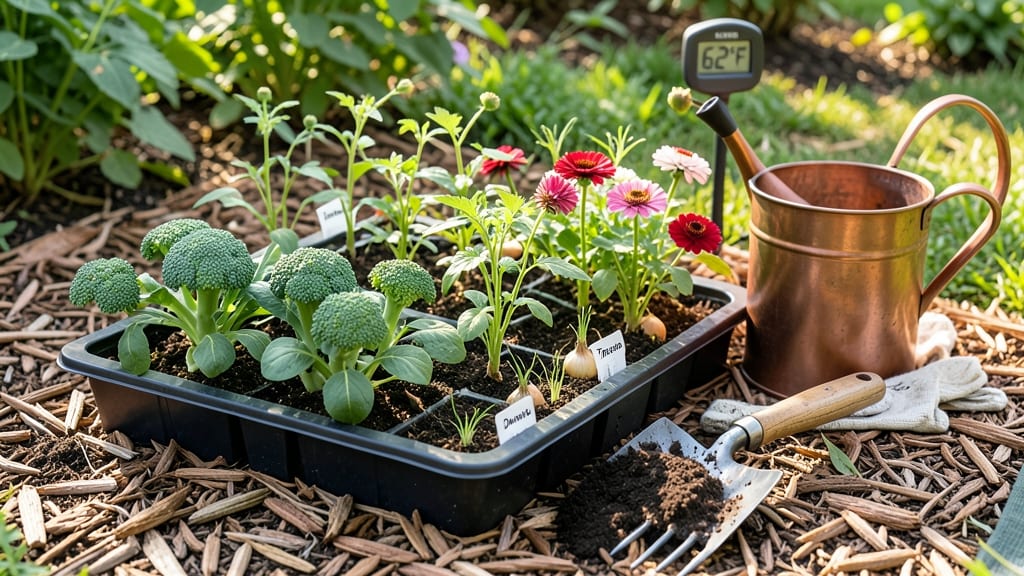
Planting your garden in Georgia at the right time means the difference between a bountiful harvest and a sad pile of wilted seedlings.
Georgia’s long growing season and humid climate make it a gardener’s paradise—but planting at the wrong time can mean wilted dreams before harvest.
Whether you’re sowing heat-loving okra in July or cool-season spinach in September, timing is everything, especially when balancing Zone 7b-8b frost dates across North and Coastal Georgia.
This guide breaks down the best months to plant by crop type, from frost-sensitive lettuce to sun-baked tomatoes, plus local tips to beat humidity and clay-heavy soil. No more guessing—just a foolproof schedule tailored to Georgia’s unique growing zones.
Ready to turn your garden into a year-round feast? Let’s dive into the month-by-month planting calendar that keeps your 🌱 General Garden Plants thriving no matter the season.
Georgia planting calendar by month: heat-tolerant crops vs. cool-season starts
Georgia gardeners enjoy one of the longest growing seasons in the U.S., but knowing when to plant your garden depends on whether you're growing heat-tolerant crops like okra or cool-season favorites like kale.
The state's USDA Zones 7b-8a create distinct planting windows—North Georgia's cooler climate differs from South Georgia's warmer coastal areas by 2-3 weeks for key dates.
For North Georgia (Zone 7b), average last frost dates fall around March 15-30, while South Georgia (Zone 8a) can plant heat-lovers 2-4 weeks earlier. Cool-season crops thrive in fall and winter, but timing varies—broccoli planted too late may bolt before harvest.
Let's break down your month-by-month planting guide with regional adjustments.
🌱 Pro Tip: Always check your local frost-free dates using the Georgia Climate Project maps, as microclimates (like urban heat islands) can shift planting windows by 10 days or more.
Notice how March and September serve as transition months—ideal for succession planting heat-tolerant crops while preparing beds for cool-season stars. For example, I plant okra in late April in South Georgia but wait until mid-May in North Georgia to avoid late spring frosts that can stunt young plants.
In North Georgia's cooler microclimates, focus on early spring planting (February-March) for cool-season crops like broccoli and cabbage, which can handle light frosts. Meanwhile, South Georgia gardeners can extend their heat-tolerant season by planting sweet potatoes in March instead of waiting for April.
For fall planting, aim to have cool-season crops established 6-8 weeks before first frost (typically mid-November). In my Zone 7b garden, I direct-sow spinach in late August for a winter harvest, while South Georgia gardeners can push it to early September.
💡 Regional Hack: Use black plastic mulch in North Georgia to warm soil for heat-tolerant crops like tomatoes, giving you a 2-week head start on planting dates. In South Georgia, shade cloth protects cool-season crops from late summer heat.
Always pair your planting schedule with soil temperature checks—most heat-tolerant seeds need soil at 65°F+, while cool-season crops prefer 50-65°F.
Top 5 heat-tolerant crops for Georgia gardens (and when to plant them)
Georgia’s summer heat can be brutal for gardeners, but with the right crops, you can thrive—not just survive. These top 5 heat-tolerant crops are perfect for our USDA Zones 7b-8b, delivering bountiful harvests even when temperatures soar.
The key? Planting them at the right time and giving them the care they crave.
Peppers, southern peas, and watermelons aren’t just heat-lovers—they’re Georgia garden staples. But timing matters. Plant too early, and they’ll bolt or wilt; too late, and you’ll miss the peak growing season.
Let’s dive into the best planting windows, soil prep secrets, and companion planting tricks to keep your garden thriving all summer long.
For bell peppers, start seeds indoors in February and transplant after the last frost (mid-March). These heat-lovers need well-draining soil—amend clay soil with compost to prevent root rot. Pair them with basil to repel pests and boost flavor.
Southern peas, or cowpeas, are drought-resistant and thrive when planted in April or May. They fix nitrogen in the soil, so they’re perfect for poor soil. Just loosen the ground before planting to help roots establish quickly. Try planting them near corn to maximize space and yield.
Watermelons need warm soil to germinate, so wait until late April or use black plastic mulch to heat the soil faster. These vines spread wide, so give them plenty of room or train them on a trellis. Radishes make great companions—they mark the rows and deter pests.
Okra is a summer powerhouse, but it hates soggy feet. Plant in April or May in well-draining soil and mulch heavily to retain moisture. It pairs beautifully with sweet potatoes, which also love Georgia’s heat but need loose, sandy soil to prevent rot.
Sweet potatoes are another Georgia garden superstar. Plant slips (not seeds) in late March or April after the soil warms to <