
Planting
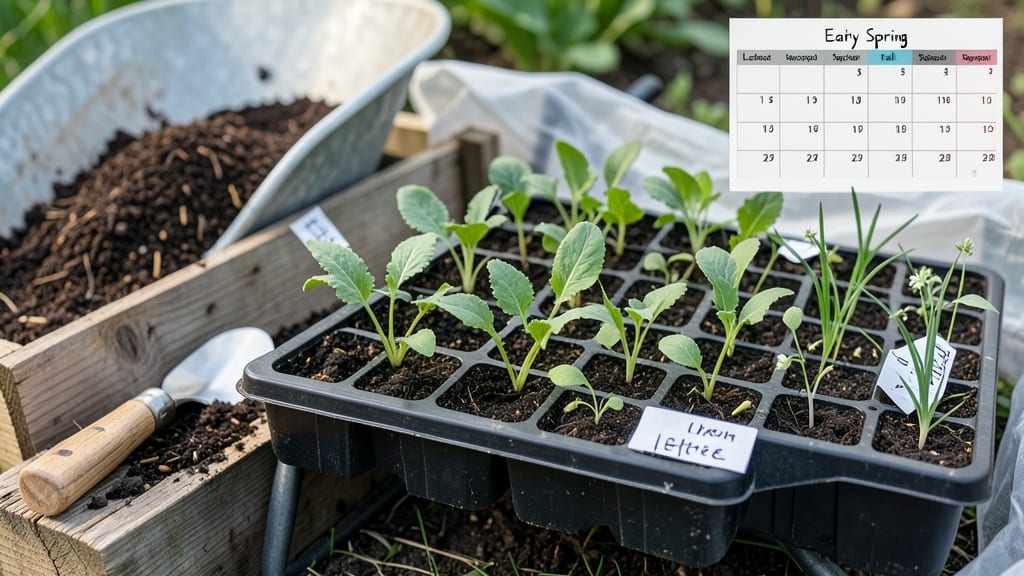
Planting a garden in Indiana means timing your spring and fall crops to avoid frost while maximizing your 165 frost-free days—and getting it wrong can mean lost seeds or stunted growth.
Indiana’s Zone 5b-6a climate throws a curveball: too early, and a late frost zaps your seedlings; too late, and summer crops bolt before you can harvest.
The average last frost date of April 15 is your starting point, but soil temperature and microclimates (like urban heat islands) can shift that window by weeks.
Below, I break down the exact planting windows for warm-season staples like tomatoes and peppers, plus cold-hardy greens that thrive in Indiana’s cooler months. You’ll also learn how to stretch your season with row covers and succession planting—so you’re not left scrambling when the first frost hits in mid-October.
Ready to turn Indiana’s unpredictable weather into a harvest advantage? Let’s get into the timelines, tools, and tricks that work for Zone 5-6 gardeners—no guesswork required.
Indiana last-frost dates by Zone 5-6: exact timelines for planting warm-season crops
Indiana’s Zone 5-6 climate creates a unique planting window where warm-season crops like tomatoes and peppers thrive—but only if you time it right.
The average last-frost dates vary by zone, with northern Indiana (Zone 5a/5b) typically seeing frost until April 25-30, while southern Indiana (Zone 6a/6b) can plant as early as April 10-15. These dates are critical for tomatoes, peppers, beans, and squash, which need consistent warmth to grow.
For Zone 5a/5b gardeners, the last frost usually arrives around April 25, but it’s safer to wait until May 1 for tender crops. In Zone 6a/6b, you can often plant by April 15, but always check local forecasts.
Using a soil thermometer (aim for 60°F+) is more reliable than air temperature—cold soil can still kill seedlings.
Here’s the exact breakdown of last-frost dates by zone, plus crop-specific planting windows for Indiana’s most popular warm-season vegetables:
For tomatoes, wait until 2 weeks after your zone’s last frost date—they’re especially sensitive to cold. Start seeds indoors 6–8 weeks before transplanting to avoid delays. Peppers need even more warmth, so begin them indoors 8–10 weeks early in Zone 5a/5b or 6–8 weeks in Zone 6a/6b.
Beans are the exception—they’re cold-hardy and can often go in 2 weeks before the last frost. Plant bush beans directly into 60°F+ soil, while pole beans need a trellis for support. Squash, like zucchini and pumpkins, also prefers warm soil, so wait until May 1–10 in most zones.
If you’re in a late-frost year (like 2021, when northern Indiana saw frost into May 10), consider using row covers or a cold frame to protect seedlings.
For early years, you can push planting dates 1–2 weeks sooner if soil temperatures are stable. Always monitor the Purdue Extension frost forecast for real-time updates.
Pro tip: Test your soil temperature with a soil thermometer—warm-season crops need 60°F+ for roots to establish. If your soil is still cold, wait a few more days or use black plastic mulch to warm it faster. This small step can save your entire crop from frost damage
How to extend your Indiana growing season: cold frames, row covers, and succession planting
Indiana’s Zone 5-6 climate means we get a short but sweet growing season—around 165 frost-free days. But don’t let that limit your harvest!
With the right tools and strategies, you can push your planting dates earlier or later, giving you more time to grow leafy greens, root crops, and even tender vegetables like tomatoes and peppers.
One of my favorite tricks is using cold frames and row covers to shield seedlings from light frosts (down to 20°F for some crops!).
These simple setups can add 2-4 weeks to your growing season, letting you start planting spinach, peas, and kale as early as late March—or keep harvesting into late October.
- 1
- 2
- 3
- 4
- 5
For cold frames, I recommend a simple wooden or plastic hoop design with clear plastic or glass panels. Place it on south-facing soil to maximize sunlight absorption. Fill it with well-draining soil and plant fast-growing crops like radishes or lettuce for quick harvests.
If you’re new to row covers, opt for floating fabric covers (like Reemay) that sit above plants without touching them. This prevents disease buildup and allows rain and water to pass through.
Secure the edges with bricks or soil to keep them in place during windy Indiana springs.
Don’t forget about succession planting—it’s one of the easiest ways to maximize your garden space. Instead of planting all your bush beans or zucchini at once, stagger them every 2 weeks. This way, you’ll have fresh produce from June through September instead of a one-time glut.
With these strategies, you can turn Indiana’s short growing season into a long, productive one. Start experimenting this year—your future self (and your dinner table) will thank you! 🌱