
Planting
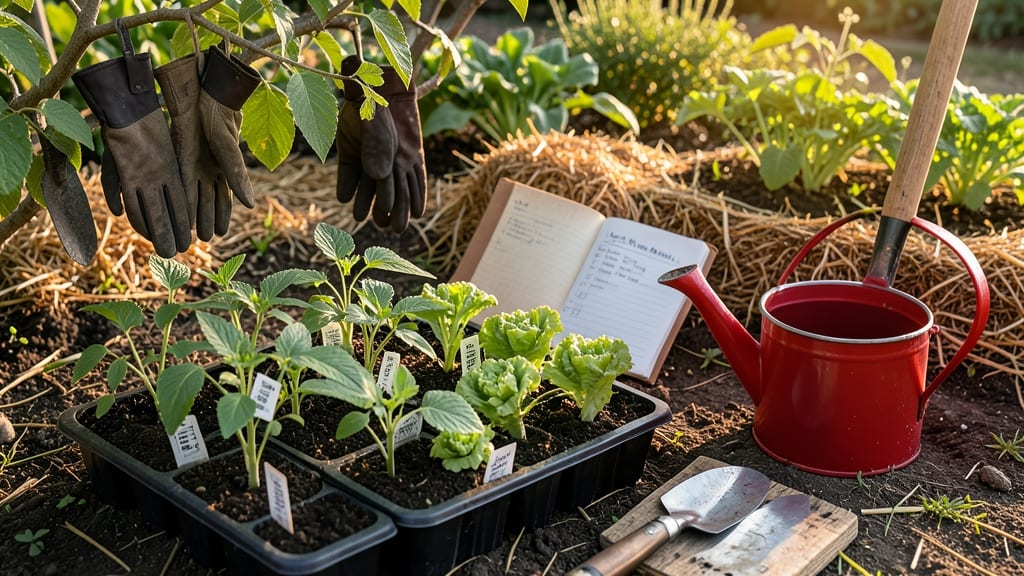
Planting your garden in Kentucky at the right time ensures a bountiful harvest before summer’s heat sets in—especially with the state’s 6a-7a climate and unpredictable frost dates.
Timing your garden planting in Kentucky can mean the difference between a thriving harvest and wasted seeds—especially with the state’s unpredictable spring frost patterns.
Cool-season crops like spinach and peas need to be in the ground 4-6 weeks before your last frost, while tomatoes and peppers won’t tolerate a chill. Miss the window, and you’ll end up with stunted plants or no harvest at all.
Below, I break down the exact planting schedule for Kentucky’s regions, frost-free date calculations, and how to adjust for late cold snaps—so you can start strong and keep your garden thriving all season.
Kentucky’s last-frost dates by region: when to plant cool-season crops
Kentucky’s cool-season crops like lettuce, spinach, and peas thrive when planted before the last spring frost, but timing varies dramatically across the state’s five distinct climate zones. From the Bluegrass Region to Pennyrile’s drier plains, knowing your average last-frost date ensures your seedlings survive and flourish.
I’ve gardened across these regions for years, and the difference between a bountiful harvest and frost-killed plants often comes down to these dates.
Kentucky spans USDA Hardiness Zones 6a-7a, but microclimates—like valleys holding frost longer or south-facing slopes warming faster—can shift your planting window by 1-2 weeks.
For example, Northern Kentucky near Cincinnati often sees its last frost by April 15, while Western Kentucky’s Pennyrile might be frost-free by March 25. These variations are critical for cool-season crops that bolt (go to seed) in heat.
Here’s my region-by-region breakdown of Kentucky’s last-frost dates, along with the ideal planting windows for your favorite cool-season vegetables. I’ve also included adjustments for microclimates like low-lying areas or urban heat islands.
Use this as your garden planning roadmap to avoid common mistakes like planting too early in frost-prone zones.
Pro Tip: Always check the Kentucky Mesonet or local Cooperative Extension Service for real-time updates. Last year, my Northern Kentucky garden lost a batch of spinach to a late-April frost—a reminder that averages aren’t guarantees!
For lettuce, which bolts quickly in heat, I recommend planting 4-6 weeks before your last frost.
In Western Kentucky, that means starting seeds by February 20, while Eastern Kentucky gardeners should wait until March 20. Spinach, another heat-sensitive crop, fares best when sown 6-8 weeks before the last frost.
My Northern Kentucky spinach always thrives when planted by March 1, but last year’s late frost caught out a neighbor who planted too late!
Peas are more frost-tolerant and can handle light frosts, making them ideal for early spring plantings. In Southeastern Kentucky, I’ve successfully planted peas as early as February 15, while Bluegrass Region gardeners should aim for
Best planting schedule for warm-season vegetables in Kentucky gardens
Kentucky’s warm-season vegetables—like tomatoes, peppers, and cucumbers—thrive when planted after the last frost date, but timing is everything. For most of Kentucky (USDA Zones 6a-7a), this means waiting until mid-April to early May, but soil temperature matters more than calendar dates.
Aim for 60°F+ soil temps to ensure strong root growth and faster germination.
I’ve learned the hard way that rushing warm-season crops can lead to stunted plants or even death from unexpected frosts. The key is monitoring both air temperature and soil warmth, especially in Kentucky’s variable climate.
Use a soil thermometer—it’s a game-changer for avoiding common pitfalls like leggy seedlings or poor fruit set.
For tomatoes and peppers, I recommend waiting until at least two weeks after the last frost to transplant, even if soil temps are ideal. These plants are particularly sensitive to cold snaps, and Kentucky’s spring weather can be deceptive.
Use black plastic mulch to warm the soil faster—it’s a lifesaver for early plantings in cooler microclimates like the Cumberland Plateau.
Another pro tip: plant cucumbers and squash after Memorial Day (mid-May) to avoid cucumber beetles, which thrive in Kentucky’s warm, humid summers. If you’re in Zone 7a, you can even squeeze in a fall planting of bush beans or peppers in late July for a late harvest.
Finally, don’t forget to rotate crops annually to prevent soil-borne diseases. Warm-season veggies are heavy feeders, so amend your soil with compost or aged manure before planting. In Kentucky’s clay soils, this makes all the difference for robust plants and higher yields.
With the right timing and a little patience, you’ll be feasting on homegrown tomatoes, peppers, and cucumbers all summer long—just like my neighbors in Lexington who swear by these methods! 🌱