
Plants
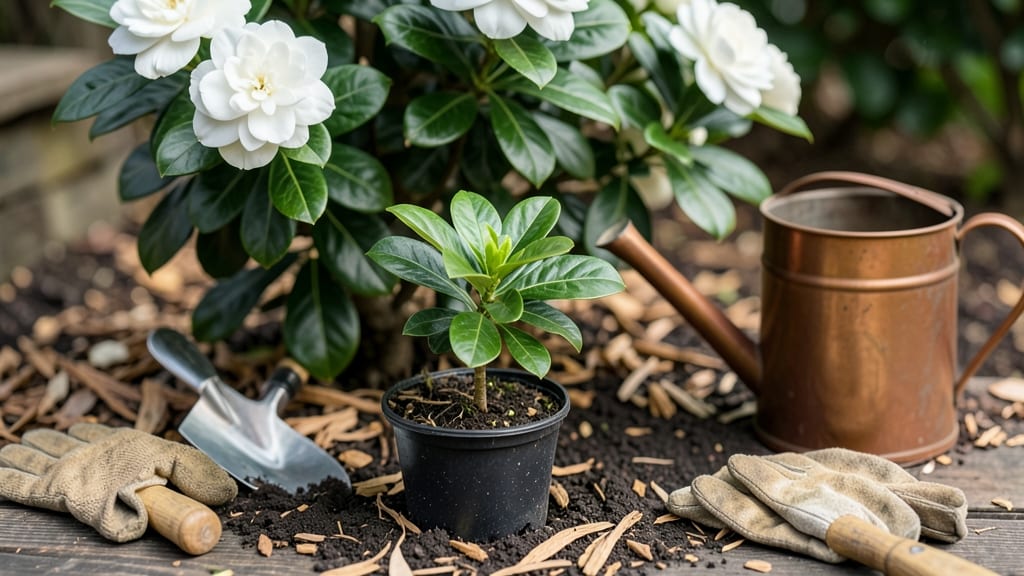
Plant gardenias in Texas when the soil warms to 60°F and after your last frost — February to March for North Texas, or September to October for Southern zones where heat lingers.
Texas gardeners know the struggle — plant gardenias too early, and they’ll wilt in the summer heat; too late, and they may not bloom before winter’s chill. Timing is everything for these fragrant favorites, especially in USDA zones 8a-10b.
Your 🌸 gardenia thrives with cooler soil temps, but young roots can’t handle Texas summers. The key is planting after the last frost but before the brutal June heat sets in — a narrow window that varies by region.
Below, I’ll break down the exact months for North vs. South Texas, soil prep secrets, and how to keep your gardenias blooming through the heat without wilting.
Best planting months for gardenias in Texas: a heat-resistant timeline
Timing your gardenia planting in Texas isn’t just about avoiding frost—it’s about giving young plants a fighting chance against our brutal summers. These tropical beauties thrive in USDA Zones 8a-10b, but their delicate roots need time to establish before 90°F+ temperatures hit.
In North Texas, where last frosts linger until mid-February, the window is tight. Meanwhile, South Texas gardeners can plant as early as late January—but with extra heat protection.
Gardenias hate transplant shock combined with summer heat, so the key is planting when soil temperatures stay below 75°F for at least 6 weeks. This gives roots time to spread before the real heat arrives.
For most of Texas, that means February-March for spring planting or September-October for fall alternatives. Let’s break down the perfect timeline by region to keep your gardenias blooming—and alive—through Texas summers.
🌱 PRO TIP: Always test soil temperature with a soil thermometer (ideal range: 60-75°F). If it’s hotter than 80°F, wait 2-3 weeks before planting.
North Texas gardeners should aim for mid-February to early March when average soil temperatures hover around 60-70°F. This gives plants 6-8 weeks to root before summer’s 100°F+ heat waves arrive.
Use shade cloth (30-50%) during the first two months to protect young leaves from UV stress. I’ve seen gardenias planted in April wither within weeks—don’t make that mistake!
Central Texas offers a slightly earlier window (late January to February) thanks to milder winters, but afternoon shade is non-negotiable. The Austin heat island effect can push soil temps to 85°F by March, so monitor closely.
For established plants, this region sees spring and fall blooms, but summer heat often forces them into dormancy.
South Texas gardeners have the luxury of two planting seasons: late January or September-October. Fall planting is my top recommendation here—you avoid the worst summer heat while still giving plants time to root before winter.
Use drip irrigation and 3-4 inches of mulch to retain moisture, as South Texas summers can dry soil to bone-dry levels in days.
Regardless of region, never plant gardenias in May-September. The combination of high soil temps (>75°F) and intense sun creates the perfect storm for transplant shock. I’ve lost count of how many garden centers sell gardenias in summer—please, resist the urge!
If you must plant outside the ideal window, use black plastic mulch to cool roots and provide constant shade until temperatures drop.
After planting, focus on deep watering (1-2 gallons per plant) every 3-5 days during establishment. Gardenias in Texas need consistent moisture but hate soggy roots.
Amend soil with peat moss or pine bark to maintain acidic pH (5.0-6.0), and avoid fertilizing until you see new growth—usually 6-8 weeks post-planting.
With the right timing, your gardenias will reward you with creamy-white blooms and intoxicating fragrance for years. The key is patience: first blooms may take 1-2 years, but once established, they’ll handle Texas heat better than most tropicals.
Start with the right month, and you’ll be smelling those gardenias in July while your neighbors are sweating through the
How to extend gardenia blooming season in Texas heat
Texas summers can turn your gardenias into heat-stressed shadows of their fragrant selves. The key to keeping them blooming lies in understanding their heat tolerance limits and adapting care routines. Gardenias thrive in partial shade, but even they need protection from Texas's relentless 100°F+ afternoons.
With the right strategies, you can extend their bloom time from a few weeks to nearly year-round.
Start by focusing on root protection—the foundation of heat resilience. Gardenias hate dry soil, but they also despise soggy roots. The solution? Mulching with 3-4 inches of organic mulch like pine bark or shredded leaves.
This keeps roots cool while retaining moisture. I’ve seen gardenias in East Texas bloom straight through summer because of this simple trick.
Next, let’s talk shade solutions. Gardenias need morning sun but can’t handle afternoon rays. Install lightweight shade cloth (30-50% shade) over their canopies during peak heat. I use white fabric because it reflects heat better than darker materials.
For potted gardenias, move them to east-facing patios or under trees with high canopies like oaks.
Pruning plays a surprising role in heat management. In late winter (February), trim back overgrown branches to improve airflow. This reduces stress from crowded foliage and helps blooms develop. Never prune in summer—it stresses the plant further.
Instead, focus on deadheading spent blooms to encourage new flowers. I’ve had gardenias in San Antonio produce three flushes of blooms a year by following this schedule.
Don’t forget fertilizer adjustments. In summer, switch to a low-nitrogen, high-phosphorus fertilizer (like 5-10-10) to promote blooming over leafy growth. Feed every 6-8 weeks and always water it in well.
Over-fertilizing in heat can burn roots. I’ve had gardeners in Houston double their bloom count by making this one change.
Finally, monitor for heat stress signs: yellowing leaves, wilting, or dropped buds. If you see these, immediately move the plant to shadier conditions and increase watering. With these strategies, your gardenias can bloom from spring through fall—even in Texas’s brutal summers.
The secret? Consistency in care and proactive protection from the heat. 🌸