
Planting
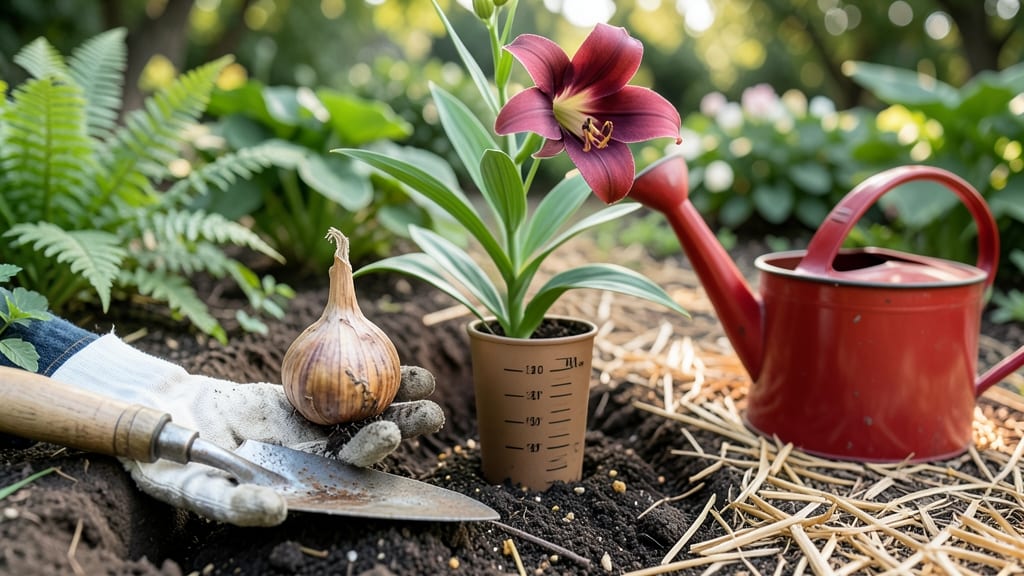
Planting lily bulbs in your garden at the right time ensures bold blooms next summer and avoids frost damage or rot—so timing is everything.
Picture this: you’ve just dug those gorgeous 🌸 bulbs into the soil, only to wake up to a surprise frost. That’s why knowing your USDA zone and local frost dates is critical—it’s not just about the calendar, but the soil temperature and bulb type too.
For most gardeners in zones 3-8, late summer or early fall is the sweet spot, giving bulbs time to root before winter. But if you’re in a warmer zone (like 9-10), spring planting might be your best bet to avoid soggy soil and early sprouting.
Below, I’ll walk you through the exact frost-free windows by zone, soil prep tips, and how to tell if you’ve planted too early or too late—so you can enjoy those show-stopping blooms without the guesswork.
Best planting times for lily bulbs by USDA hardiness zone
Planting lily bulbs at the right time ensures strong roots and vibrant blooms. Since lilies thrive in cool soil but hate frost exposure, timing varies by USDA zone.
Most gardeners plant in fall, but late winter works in mild climates. Let’s break down the ideal windows for Asiatic, Oriental, trumpet, and daylily bulbs by zone.
Soil temperature is critical—aim for 40-50°F (4-10°C) at planting. Cooler soil helps bulbs establish roots before winter dormancy. In warmer zones, late winter planting is safer to avoid summer heat stress. Always check your local frost dates to adjust timing accordingly.
Here’s a quick reference for planting months by zone, including soil temp thresholds and lily type suitability:
| USDA Zone | Ideal Planting Month | Soil Temp Threshold | Lily Types | Notes |
|---|---|---|---|---|
| 3-4 | September-October | 40-50°F (4-10°C) | Asiatic, Trumpet | Plant 6-8 weeks before first frost. |
| 5-6 | October-November | 40-50°F (4-10°C) | Oriental, Daylily | Avoid planting if soil temps drop below 40°F. |
| 7-8 | November-December OR February | 50-60°F (10-15°C) | All Types | Late winter planting works if soil stays warm. |
| 9-10 | February-March | 55-65°F (13-18°C) | All Types | Avoid summer planting; bulbs need rest. |
For zones 3-6, early fall planting (September-October) gives bulbs time to root before winter. In zones 7-10, you can plant in late winter (February-March) if soil temperatures stay above 50°F (10°C). Always adjust for local microclimates—shady spots may need earlier planting.
Daylilies are more flexible and can handle spring planting in cooler zones, but Asiatic and Oriental lilies prefer fall. Trumpet lilies, like 'Stargazer', need 6-8 weeks of root growth before winter, so plant them early in zones 3-5.
Pro tip: Use a soil thermometer to confirm temperatures before planting. If soil is too warm (60°F+ / 15°C+), wait 2-4 weeks or plant in shaded spots to cool the soil. Mulch with 3-4 inches of straw after planting to protect bulbs from temperature swings.
In warmer zones (9-10), late winter planting (February-March) avoids summer heat stress. For example, in Zone 10, plant in February when soil temps are 55-65°F (13-18°C). This timing lets bulbs establish roots before the active growing season begins.
If you miss the fall window, don’t panic—spring planting works in zones 7-10. Just plant 2-3 weeks before your last frost date and keep soil consistently moist until roots establish. For daylilies, spring planting is often successful even in cooler zones.
Remember: Bulb quality matters. Choose firm
How to choose between fall vs. spring planting for your lilies
Deciding whether to plant your lily bulbs in fall or spring depends on your USDA zone and lily variety. Fall planting gives bulbs a head start by establishing roots before winter, while spring planting avoids early frost risks in warmer zones.
Let’s break down when each method works best for your garden.
For zones 3-6, fall planting is ideal—4 to 6 weeks before the first frost. This allows roots to grow in cool soil while the bulb stays dormant above ground. In zones 7-10, spring planting is safer to avoid winter rains that can rot bulbs before they’re established.
Here’s a quick comparison to help you decide:
Fall Planting vs. Spring Planting for Lilies
- Best for zones 3-6
- Roots establish before winter
- Bulbs stay dormant above ground
- Ideal for Asiatic and Oriental lilies
- Best for zones 7-10
- Avoids winter rot in wet climates
- Works for late-blooming varieties
- Plant after last frost date
- Early blooms next season
- Less competition from weeds
- Bulbs adapt to soil conditions
- Risk of frost damage if planted too early
- Soggy soil can cause rot
- Limited time to adjust timing
Before planting, prepare your soil by amending it with compost or organic matter to improve drainage. Lily bulbs hate soggy soil, so avoid planting in low spots where water pools. If you choose fall planting, add a 2-inch layer of mulch to insulate bulbs from temperature swings.
For spring planting, wait until the soil temperature reaches at least 50°F (10°C) and all frost risk has passed. This ensures bulbs won’t sprout too early and get damaged by late frosts.
In warmer zones, you can even plant as late as early spring, but aim for March or April for best results.
Common mistakes include planting too early in fall (risking frost) or too late in spring (delaying blooms). Always check your last frost date and adjust accordingly. With the right timing, your lilies will reward you with bold, fragrant blooms all summer long! 🌸