Planting
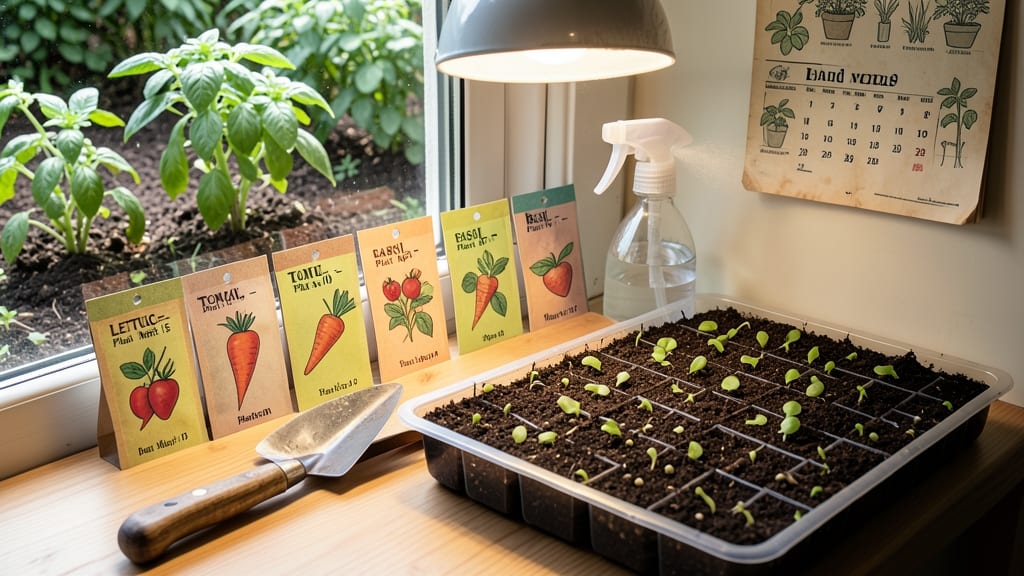
Planting seeds in your garden at the right time guarantees stronger seedlings and higher yields — and the key isn't just the calendar, but soil warmth and frost-free days.
Struggling with weak seedlings or failed germination? Timing your seed planting based on soil temperature—not just the calendar—can boost your success rate by 70% or more.
In USDA Zone 6a, that means waiting until after your last frost (around April 15 for most areas) and checking soil warmth before sowing warm-season crops.
Cool-season plants like lettuce or peas can handle cooler soil, but tomatoes and peppers need at least 60°F to germinate. A simple soil thermometer (or even your finger—if it feels cold, wait) tells you when it's safe to plant.
Miss this window, and you risk stunted growth or no harvest at all.
Below, I’ll walk you through the exact soil temperature tests for your region, when to start seeds indoors vs. direct-sowing, and a month-by-month planting calendar for vegetables, flowers, and herbs. No more guesswork—just healthy, thriving plants.
How to test soil temperature for perfect seed planting times
Planting seeds at the right time isn't just about checking the calendar—it's about understanding soil temperature. Many seeds need specific warmth to germinate, and planting too early or late can lead to weak seedlings or complete failure.
For example, warm-season crops like tomatoes and peppers won't sprout until the soil reaches 60-70°F, while cool-season crops like lettuce and spinach thrive in 45-55°F soil. Testing your soil temperature ensures you're planting when conditions are ideal for your specific seeds.
Using a soil thermometer is the most accurate way to monitor temperature. These inexpensive tools give you real-time readings and help you avoid guesswork. I recommend placing the thermometer 1-2 inches deep in the soil, where most seeds germinate.
Check temperatures in the morning (before sunlight heats the soil) and evening (when temperatures stabilize) for the most reliable data. For example, my USDA Zone 6a garden often sees a 10°F difference between morning and afternoon soil temps!
If you don't have a soil thermometer, you can use DIY methods to estimate temperature. One trick is to press your hand into the soil for 5-10 seconds—if it feels warm like a hot cup of tea, it's likely 70°F+ (ideal for warm-season crops).
If it feels cool like room temperature, it's probably 50-60°F, perfect for cool-season seeds. Another method is to bury a thermometer in a glass jar filled with water for 24 hours; the water temperature will closely match the soil.
Regional temperature charts are another valuable tool. The USDA Plant Hardiness Zone Map provides average last frost dates, but soil temperatures can vary even within the same zone.
For instance, Zone 6a (like my garden) typically has soil temps of 50°F by mid-April, but this can shift 1-2 weeks earlier or later depending on microclimates. Check local agricultural extension services for historical soil temperature data—many provide free planting guides tailored to your area.
Here’s a quick reference for optimal soil temperatures by seed type to help you plan:
Once you’ve tested your soil temperature, adjust your planting schedule accordingly. For example, if your soil is 55°F in early April, it’s perfect for cool-season crops like spinach but too cold for warm-season crops like tomatoes.
I like to plant cool-season seeds 4-6 weeks before the last frost and warm-season seeds 2-3 weeks after the soil consistently reaches the ideal temperature. This gives seedlings enough time to establish before extreme weather hits.
Don’t forget to account for microclimates in your garden. South-facing beds warm up faster than north-facing ones, and raised beds heat up 2-3°F warmer than in-ground soil. If you’re using black plastic mulch or row covers, these can raise soil temperatures by 5-10°F, allowing you to plant earlier.
I’ve even used clear plastic bottles as mini greenhouses to warm soil for early plantings—just bury them 1-2 inches deep and remove them once seeds sprout.
Pro tip: Keep a garden journal to track soil temperatures and planting success. Note the dates when you planted, the soil temp at the time, and how well the seeds germinated. Over time, you’ll spot patterns and refine your timing.
Last year, I noticed my cucumber seeds germinated 3 days faster when planted in soil at 72°F versus 68°F. Small differences like this can make a big impact on your harvest!
If you’re still unsure about timing, start with slow-germinating seeds like peppers or onions, which take longer to sprout and can handle cooler soil. Fast-germinating seeds like radishes or lettuce are better for testing warmer soil conditions.
And remember: patience is key. Rushing can lead to disappointment, but waiting for the right conditions guarantees stronger, healthier plants.
With the right tools and a little
Best planting schedule by seed type: cool vs. warm season crops
Understanding the difference between cool-season and warm-season crops is the key to a thriving garden. Cool-season plants like lettuce and peas thrive in 50-75°F soil, while warm-season crops such as tomatoes and peppers need 60-85°F soil to germinate.
Planting at the wrong time often leads to stunted growth or complete failure—so let’s break down the ideal planting windows for each category.
Your local last frost date (typically April 15 in Zone 6a) marks the transition point between cool and warm season planting. Before this date, focus on cool-hardy seeds that can handle chilly soil.
Afterward, shift to heat-loving varieties that need warmer conditions to thrive. Always check your seed packet for specific days-to-maturity guidelines to align planting with your harvest goals.
🌱 Comparison Table: Cool vs. Warm Season Planting Schedule
For cool-season crops, I recommend starting seeds indoors 4-6 weeks before your last frost date. This gives seedlings a head start while still allowing them to harden off before transplanting.
For warm-season crops, wait until the soil reaches at least 60°F—using a soil thermometer is my secret weapon for accuracy. If your spring is unpredictable, opt for slow-bolting varieties like 'Black Seeded Simpson' lettuce to extend your harvest window.
Don’t forget about succession planting! For warm-season crops like bush beans or radishes, sow new seeds every 2-3 weeks to ensure a continuous harvest. This technique works wonders for high-demand crops and prevents gluts.
In late summer, you can even replant cool-season crops like spinach or arugula for a fall harvest before the first frost hits.
Pro tip: Mark your calendar with your average first frost date (October 20 in Zone 6a) to plan your final plantings. For example, kale and carrots can handle light frosts and may even taste sweeter after a frost—so don’t rush to harvest them!
For warm-season crops like peppers, extend your season by starting seeds indoors in late winter and transplanting after the last frost.
When in doubt, check your seed packet for specific instructions—some varieties are more forgiving than others. For instance, cucumbers and squash can handle a brief cool snap, while eggplants are far more sensitive to chilly nights.
Adjust your schedule based on your local climate, and don’t hesitate to consult your local extension office for hyper-local advice.