
Planting
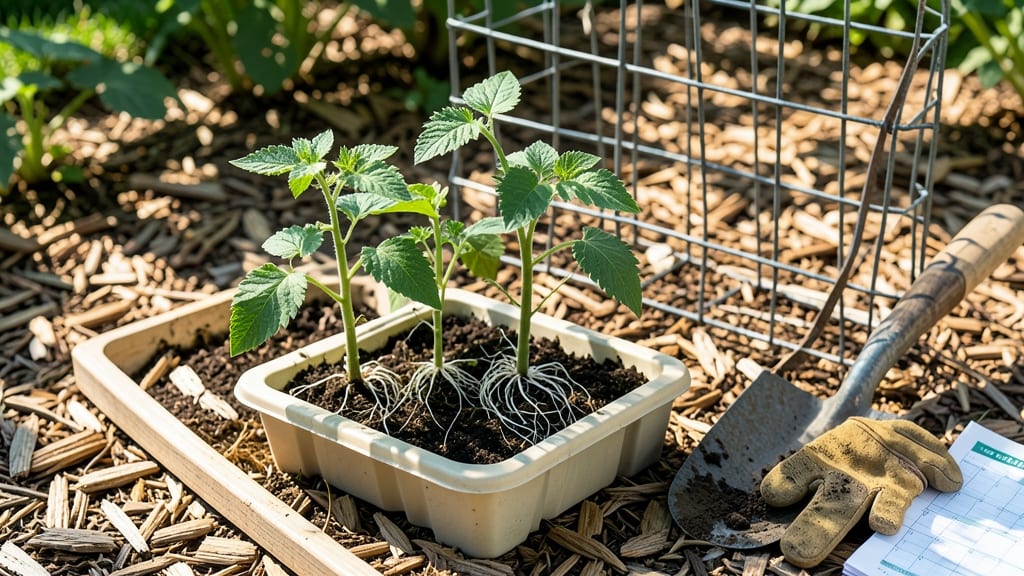
Planting tomato seedlings in the garden when soil temperatures hit 60°F+ and nighttime dips stay above 50°F is the key to avoiding stunted growth and weak roots.
Timing your tomato seedlings perfectly can mean the difference between a bountiful harvest and stunted plants—soil temperature is the secret weapon most gardeners overlook.
In USDA Zone 6a, like much of the Midwest, that window typically opens around late April to early May, but a late frost or cold snap can push it back weeks. Skipping these checks often leads to leggy seedlings that struggle to establish roots.
Below, I break down the exact soil temps to target, how to test them without a fancy thermometer, and the 3-step prep to harden off seedlings so they survive the transition like pros.
Optimal soil temperature ranges for planting tomato seedlings
Timing your tomato seedlings perfectly can mean the difference between a bountiful harvest and stunted plants—soil temperature is the secret weapon most gardeners overlook. Unlike air temperature, which we check daily, soil temperature determines root growth and transplant success.
For tomatoes, this means waiting until the ground warms up enough to support vigorous root development.
Tomatoes thrive when planted in soil that's warm enough to encourage root expansion but not so hot it stresses young seedlings. The ideal daytime soil temperature for planting is 60°F (15°C) or higher, while nighttime temperatures should stay above 50°F (10°C).
These ranges ensure roots establish quickly without shock, setting your plants up for a strong start.
Here’s why these temperatures matter: Below 50°F (10°C), tomato roots grow slowly, leaving plants vulnerable to disease and poor nutrient uptake. Above 85°F (29°C), seedlings can experience heat stress, stunting growth. A soil thermometer is your best tool to monitor these conditions accurately.
In cooler climates (USDA Zones 3-5), soil warms more slowly, so gardeners often use black plastic mulch or row covers to raise temperatures 5-10°F. This trick is especially useful in early spring when air temperatures fluctuate wildly.
I’ve seen gardeners in Zone 4 plant tomatoes successfully in late May by combining mulch with cold frames.
For warmer climates (Zones 9-10), the challenge shifts to avoiding heat stress. Plant in partial shade during peak summer months or opt for heat-tolerant varieties like 'Solar Fire' or 'Heatmaster.'
These tomatoes handle soil temps up to 90°F (32°C) better than standard varieties. Always check soil temps before planting—even in hot zones!
Testing soil temperature is simpler than you think. A soil thermometer (digital or dial) costs under $20 and gives real-time readings. Stick it 2-3 inches deep—this mimics root zone conditions.
Take readings at mid-morning when temps are most stable. I test for 3 consecutive days to confirm consistency before planting.
Regional variations matter more than you’d expect. In Zone 6, I’ve planted tomatoes as early as mid-April with success, but a late frost in May can wipe out seedlings overnight.
That’s why I always monitor nighttime lows—they’re the true test of readiness. If temps dip below 50°F (10°C), delay planting until roots can establish safely.
One common mistake is relying on air temperature alone. A sunny 70°F (21°C) day can hide 50°F (10°C) soil, tricking gardeners into planting too early. Always check the ground!
I’ve lost entire tomato batches because I ignored this rule. Pro tip: If your hands feel cold pressing into the soil, it’s not ready yet.
For container gardeners, soil warms faster in pots, but it also cools down quickly. Use dark-colored containers to absorb heat and consider adding a heat mat under pots in cooler zones. I’ve grown tomatoes in containers in Zone 5 by using self-watering pots with built-in heat sources during early spring.
Remember, soil temperature isn’t just about planting—it affects fruit set too. Tomatoes need warm soil to produce flowers and fruit. If your soil stays below 60°F (15°C) for weeks after planting, you might see poor pollination. That’s why I always aim for consistent warmth once seedlings are in the ground.
🌱
How to adjust planting time based on last frost date and seedling age
Getting your tomato seedlings in the ground at the right time means balancing last frost dates, seedling maturity, and soil warmth. Most gardeners wait until after the last frost, but that’s only part of the equation.
Your seedlings need to be 6-8 weeks old and strong enough to handle outdoor conditions without shock. If you plant too early, cold snaps can stunt growth or even kill them. If you wait too long, your plants may become root-bound or overgrown, making them harder to transplant.
Start by checking your local frost dates—these are typically available through your USDA zone or local agricultural extension office. For example, in Zone 6a (like much of the Midwest), the average last frost is around April 15. However, this doesn’t mean you should plant immediately after that date.
You’ll need to wait until the soil warms up and your seedlings are ready. The key is to plant when the nighttime temperatures stay above 50°F (10°C) and the soil temperature reaches at least 60°F (15°C).
- Step 1: Calculate Your Planting Window Subtract 6-8 weeks from your last frost date to determine when to start seedlings indoors. For example, if your last frost is April 15, start seeds by February 20-March 1.
- Step 2: Verify Seedling Maturity Seedlings should have 2-3 sets of true leaves and be 6-8 inches tall before transplanting. Avoid planting overgrown seedlings, which struggle to establish roots.
- Step 3: Harden Off Seedlings 7-10 days before planting, gradually expose seedlings to outdoor conditions (sun, wind, and cooler temps) to prevent transplant shock.
- Step 4: Check Soil and Air Temperatures Use a soil thermometer to confirm soil temps are 60°F+ during the day and 50°F+ at night. If temps drop below these, delay planting.
- Step 5: Plant After Last Frost + Warm-Up Period Wait 2-3 weeks after your last frost date to ensure the ground has fully warmed. This gives your seedlings time to adjust without stress from late-season cold snaps.
One common mistake is planting tomato seedlings as soon as the frost warning lifts, only to have a late cold snap damage them. To avoid this, I always add a 2-3 week buffer after the last frost date.
For example, if your last frost is May 1, I’d aim to plant by May 15-20, depending on soil warmth. This extra time ensures your seedlings aren’t caught off guard by unexpected cool nights.
If you’re in a warmer climate (Zones 8-10), you might have an earlier planting window, but you’ll still need to monitor soil temperature.
In these regions, tomatoes can be planted as early as February-March, but you’ll want to focus on heat-tolerant varieties like ‘Celebrity’ or ‘Solar Fire’, which handle warmer conditions better.
Conversely, in cooler climates (Zones 3-5), you might need to use row covers or plant in containers that can be moved indoors if frost threatens.
Another pro tip: If your seedlings are root-bound (roots circling the pot), gently tease them apart before planting to encourage faster root growth in the garden. This is especially important for determinate varieties, which produce fruit all at once and need strong roots to support the harvest.
After transplanting, water deeply and mulch around the base to retain moisture and regulate soil temperature, reducing the risk of transplant shock.
Finally, keep an eye on your local weather forecasts in the days leading up to planting. If a cold front is expected, it’s better to delay planting by a week or two.
Your goal is to give your tomato seedlings the best possible start—strong roots, warm soil, and stable temperatures will set them up for a productive growing season. With the right timing, you’ll be enjoying homegrown tomatoes in no time! 🍅