
Planting
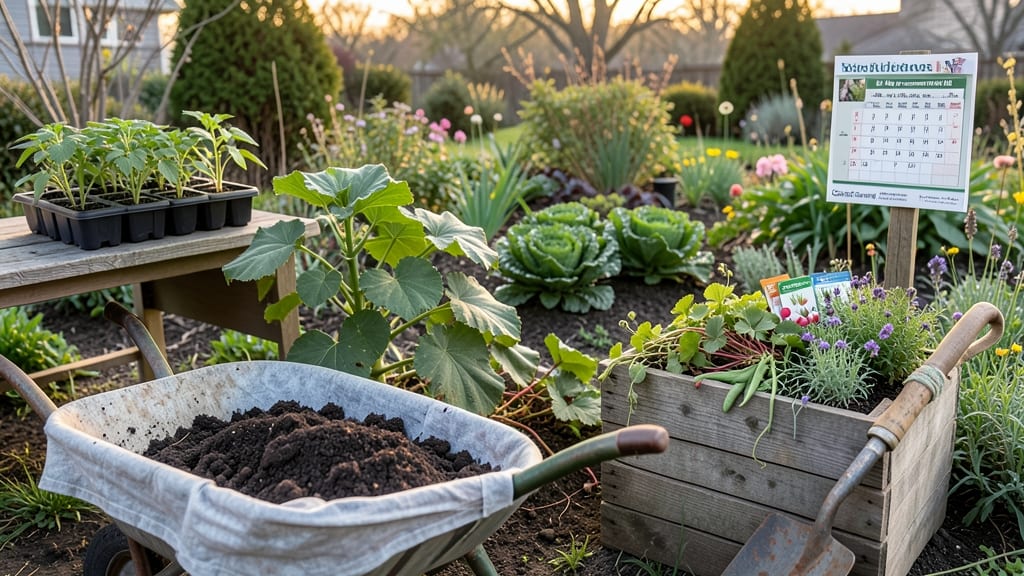
Planting your garden in Michigan at the right time means the difference between a thriving harvest and a frost-killed disappointment — and those last frost dates shift every year.
Michigan’s unpredictable spring weather can make or break your garden 🌱. Planting too early risks frost damage, while waiting too long shortens your growing season. Knowing the exact last frost dates for your zone is the key to timing your garden perfectly.
Cool-season crops like spinach and peas need to go in the ground 4-6 weeks before the last frost, while tomatoes and peppers can’t handle a chill. In zones 5b-6b, that means late April to mid-June for most plants, but the window narrows in northern Michigan.
Below, I break down the perfect planting schedule for your region, including soil prep tips and how to adjust for late frosts. By the end, you’ll know exactly when to plant every crop in your garden.
Michigan last frost dates by region: when to plant cool-season crops
Michigan’s cool-season crops like lettuce, spinach, and peas thrive when planted early, but timing is everything. The last frost date varies dramatically across the state’s USDA zones 5a-6b, with northern regions facing frost risks weeks after southern areas.
For example, Detroit (Zone 6b) typically sees its last frost by May 10, while Traverse City (Zone 5b) might not be frost-free until May 25. These differences mean your planting schedule should shift 2-3 weeks depending on where you live.
Cool-season crops are your garden’s secret weapon in Michigan—they tolerate light frosts and can even bolting if planted too late. Peas and spinach can handle 28°F temperatures, while broccoli and kale survive down to 20°F.
By planting these hardy greens 4-6 weeks before your last frost, you’ll maximize your harvest before summer heat sets in. But if you wait too long, you’ll miss out on the sweetest peas and crispest lettuce of the season.
Here’s the critical difference between Michigan’s regions: Southern zones (like Jackson and Ann Arbor) can start planting lettuce as early as March 15 under row covers, while northern zones (like Marquette or Sault Ste. Marie) should wait until April 15 to avoid frost damage.
Even a 5°F dip can wipe out tender seedlings overnight. That’s why I always check my local Michigan State University Extension frost maps—because Mother Nature doesn’t follow a calendar.
🌱 comparison-table
If you’re in Zone 6b, you can push your luck and plant spinach as early as March 1 under row covers or cold frames. But in Zone 5a, waiting until April 15 for the same crop means the difference between bolting and crisp, sweet greens.
I’ve learned this the hard way—last year, my Zone 5b peas froze twice before reaching maturity! The key is to start seeds indoors 6-8 weeks before your last frost and have transplants ready to pop into the ground as soon as the soil warms to 40°F.
Don’t forget that cool-season crops can also be planted in early fall for a second harvest. In Zone 6b, you might squeeze in a September planting of kale or radishes that’ll survive until first frost in early November.
Meanwhile, Zone 5a gardeners should aim for August 15 to avoid early frosts. This fall planting window is your chance to enjoy fresh greens when summer tomatoes and peppers start fading.
For peas, timing is especially critical—they germinate best in soil temperatures between 40°F and 80°F. Plant them 2-3 weeks before your last frost, and they’ll be ready to harvest just as summer heat arrives.
I’ve had the best luck with sugar snap peas in Zone 6a when planted on April 1, giving me pods from late May through June. In colder zones, wait until April 15 to avoid stunted growth from late frosts.
Pro tip: Use Michigan State University’s Frost Date Calculator to get hyper-local advice. Even within a 20-mile radius, frost dates can shift by 5-7 days due to microclimates. For example, Ann
Warm-season planting schedule: tomatoes, peppers, and more
Once the last frost date has passed in Michigan, it’s time to plant your heat-loving crops. Warm-season vegetables like tomatoes, peppers, and cucumbers thrive when soil temperatures reach at least 60°F (15°C).
In Michigan’s USDA zones 5b-6b, this typically means waiting until late May to early June—but always double-check your local frost-free date.
For the best results, start seedlings indoors 6-8 weeks before your last frost date. This gives them a head start and ensures they’re ready to transplant when the weather warms up.
If you’re planting directly in the garden, wait until the soil is consistently warm and the nighttime temperatures stay above 50°F (10°C).
🌱 Michigan Warm-Season Planting Timeline
- Late April - Early May: Start tomatoes, peppers, and eggplants indoors (6-8 weeks before last frost).
- Mid-May: Harden off seedlings and prepare garden beds with compost for transplanting.
- Late May - Early June: Transplant tomatoes, peppers, and cucumbers after soil warms to 60°F+.
- June - July: Direct-sow beans, corn, and squash after all frost risk has passed.
- August - Early Sept: Extend season with row covers or cold frames for late harvests.
When transplanting, bury tomato stems deep to encourage stronger root growth. For peppers, choose a sunny spot with well-draining soil—they’re sensitive to soggy roots. If frost threatens unexpectedly, use frost cloths or move containers indoors temporarily.
To maximize your harvest, succession plant fast-growing crops like bush beans every 2 weeks until mid-July. This ensures a steady supply of fresh produce throughout the summer. For tomatoes, prune suckers regularly to improve airflow and reduce disease risk.
Extend your growing season by using row covers or cold frames to protect plants from early fall frosts. This can add 2-4 extra weeks of harvest time for crops like kale, spinach, and even peppers. Just remove covers during the day to prevent overheating.
Monitor soil moisture closely—warm-season crops need 1-2 inches of water per week, especially during dry spells. Mulch around plants to retain moisture and suppress weeds. With the right timing and care, your tomatoes, peppers, and other warm-season favorites will thrive all summer long! 🌿