
Tools
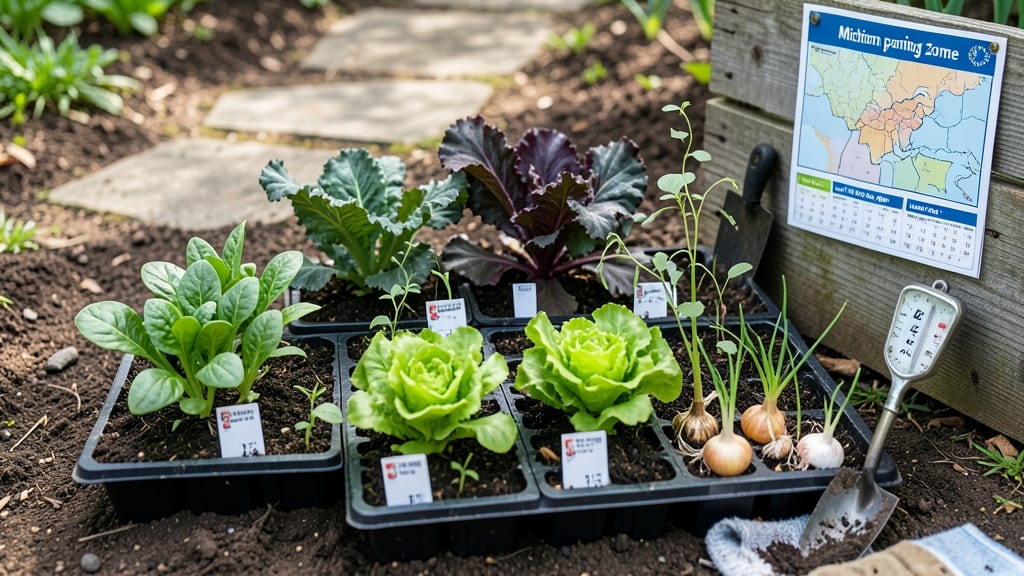
To start a garden in Michigan, time your planting around your region's last frost date—usually mid-April to late May for most areas. Hardy crops like peas and spinach can go in as early as late March in southern zones, while northern Michigan gardeners should wait until mid-to-late May for frost-sensitive plants like tomatoes and peppers.
Michigan's gardening season varies dramatically from the Upper Peninsula to the southern border, so checking your USDA hardiness zone (5a–6b) is key. 🌱 The last average frost date shifts from mid-April in Detroit to late May in the UP, meaning your planting window could be a full month earlier in warmer southern regions.
I always recommend using the Michigan State University Garden Hotline or local Cooperative Extension offices for hyper-local advice—they track frost patterns year-to-year and can save you from costly mistakes.
For example, cold-hardy greens like kale and lettuce can often survive light frosts, while tomatoes and peppers need consistent warmth, which typically arrives in June. Even in the same county, microclimates near lakes or hills can delay frost by a week or more.
That's why I start seeds indoors 4–6 weeks before my target outdoor date—it gives me flexibility if Mother Nature throws a curveball.
💡 In This Article
- Michigan’s Planting Zones and Frost Dates by Region
- Best Early-Season Crops for Michigan Gardens
Michigan’s planting zones and frost dates by region
Michigan spans USDA hardiness zones 5a–6b, which directly impacts when you can safely plant outdoors. The Upper Peninsula (zone 5a) typically experiences its last frost around May 20–June 1, while southern Michigan (zone 6a/b) sees frost-free conditions by mid-April to early May.
This 1–2 month difference means gardeners in Detroit can plant tomatoes 4–6 weeks earlier than those in Marquette. The key is tracking your average last frost date, not just the calendar—some years, late-season cold snaps can push back planting by 10–14 days.
Frost dates aren’t just about spring—they also determine your fall planting window. Northern Michigan’s first frost often arrives by September 20–October 1, while southern regions can extend the season until mid-November.
This explains why cool-season crops like broccoli and kale thrive in Michigan’s short growing season, while heat-loving plants like okra struggle unless started early.
I’ve found that using Michigan State University’s frost date maps (available via their Extension office) gives the most accurate local data—these tools account for elevation, lake effects, and urban heat islands that can shift frost patterns by 3–7 days.
For practical planning, I recommend dividing Michigan into three broad regions: Southern (zones 6a/b), Central (zone 5b), and Northern (zone 5a). Southern gardeners can plant peas and spinach in late March, while Central Michigan waits until mid-April, and Northern areas must delay until May 1–15.
The 14-day rule is my go-to guideline: Wait until the average last frost date has passed, then add 2 weeks of buffer for safety. This accounts for those unpredictable late frosts that can wipe out tender seedlings overnight.
Microclimates add another layer of complexity. Areas near Lake Michigan often experience delayed frosts due to the lake’s heat retention, while inland valleys can warm up faster in spring.
I’ve seen 5–10°F temperature differences between a garden by the lake and one just 5 miles inland at the same time of year. That’s why I always check local weather station data (like NOAA’s climate maps) and talk to neighbors with established gardens—they’ve got real-world experience with your specific microclimate.
Here’s how to use this information: First, identify your USDA zone using the MSU zone finder. Then, cross-reference with your average last frost date (available through your county Extension office).
For example, in zone 6a (Detroit area), you might plant cold-hardy crops by April 1, while in zone 5a (Upper Peninsula), you’d wait until May 15. Finally, adjust for your microclimate—if you’re near water, add 7–10 days to your frost date estimate.
Pro tip: Use frost-sensitive plants as your guide. For instance, tomatoes won’t tolerate temps below 50°F, so I never risk planting them outdoors until soil temps hit 60°F consistently for 2–3 weeks. This method eliminates guesswork and ensures your plants thrive from day one. 🌱