
How To
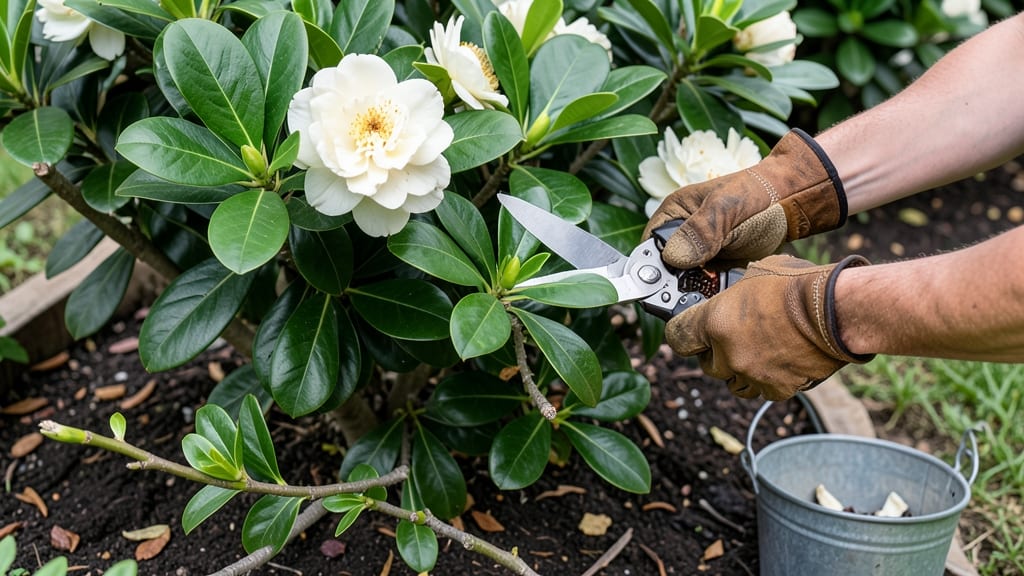
To trim gardenia bushes 🌸 at the right time ensures longer blooms and healthier growth, and the key window is right after flowering or in late winter.
Struggling to keep your gardenia bushes blooming beautifully year after year? The secret lies in knowing when to prune—timing makes all the difference between lush, fragrant flowers and sparse, weak growth.
In USDA Zone 6, where gardenias thrive, the best time to trim is after they finish blooming in late spring or early summer. This encourages new growth and more flowers for next season. But there’s a catch: cutting too late can leave your bush vulnerable to winter damage.
Below, I’ll break down the three pruning seasons you need to know, how to spot when your gardenia needs attention, and the simple steps to trim it like a pro—without sacrificing those coveted blooms.
Best times to prune gardenia bushes for maximum blooms
Pruning your gardenia bushes at the right time can transform your plant from a sparse bloomer into a fragrant, flower-filled showstopper. Unlike many shrubs, gardenias bloom on new wood, meaning pruning too late in the season can reduce next year's flowers.
The key is understanding the three ideal pruning windows—each with its own benefits for flower production and plant health.
In temperate climates (USDA Zones 7-10), the best times to prune are late winter/early spring, late spring/early summer, and early fall. However, gardenias in tropical climates (Zones 11+) may need adjustments, like pruning after heavy rains or during cooler months to avoid stress.
Let’s break down each season’s impact on your gardenia’s blooms.
| Season | Best Time | Purpose | Climate Adjustments | Bloom Impact |
|---|---|---|---|---|
| Late Winter/Early Spring | February-March (before buds swell) | Remove dead/diseased wood; shape bush | Temperate: After last frost. Tropical: Avoid rainy season. | Encourages new growth for summer blooms |
| Late Spring/Early Summer | May-June (after first flush of blooms) | Light pruning to promote air flow | Temperate: Post-bloom. Tropical: After heavy rains. | Prevents overcrowding for fall flowers |
| Early Fall | September-October (before frost) | Minimal pruning; remove only dead branches | Temperate: Before first frost. Tropical: Year-round light pruning. | Prepares plant for winter dormancy |
Spring pruning is the most critical for gardenias because it sets the stage for summer and fall blooms. Aim to prune just as new growth begins—typically 2-4 weeks after the last frost in temperate zones.
This timing ensures you’re cutting back old wood while leaving room for new shoots that will bear flowers. In tropical climates, where gardenias grow year-round, prune after heavy rains to avoid fungal issues.
Summer pruning is often overlooked but can boost bloom density if done correctly. After your first flush of flowers (usually in June or July), give your gardenia a light trim to remove any overcrowded or leggy branches.
This improves air circulation, reducing the risk of powdery mildew and encouraging more buds for fall blooming. Avoid heavy pruning in summer, as it can stress the plant during its peak growing season.
Fall pruning is all about preparation. In temperate zones, prune 4-6 weeks before the first expected frost to allow time for new growth to harden off. Focus on removing dead or diseased branches and shaping the bush lightly.
In tropical climates, where frost isn’t a concern, you can prune year-round but prioritize dry, sunny days to minimize disease risk. Avoid heavy pruning in fall, as it can stimulate tender new growth that won’t survive winter.
One common mistake is pruning too late in the season, which can reduce next year’s blooms. Gardenias need time to harden off before winter, and late pruning disrupts this process.
If you miss your spring pruning window, don’t panic—just wait until early summer for a light trim to maintain shape, but expect fewer flowers that season. Tropical gardenias are more forgiving, but even they benefit from a consistent pruning schedule to encourage continuous blooming.
For maximum blooms, pair your pruning with proper fertilization. After pruning in spring, apply a balanced fertilizer (like 10-10-10) to fuel new growth. In summer, switch to a low-nitrogen, high-phosphorus fertilizer to promote flowering.
Avoid fertilizing in fall or winter, as it can stimulate unwanted growth before dormancy. Water deeply after pruning to help the plant recover, especially in hot, dry climates.
If you live in a humid climate, like the Southeast U.S., prune during dry, sunny mornings to prevent fungal infections. Sterilize your pruning shears with rubbing alcohol between cuts to avoid spreading disease.
For container-grown gardenias, prune slightly more aggressively to control size, but still follow the same seasonal rules. Containers dry out faster, so increase watering frequency after pruning to support recovery.
Remember, gardenias are slow growers, so don’t rush to prune heavily. A light, strategic trim every season will keep your plant healthy, blooming, and beautiful for years. Start with one season at a time,
Step-by-step guide: how to prune gardenia bushes correctly
Pruning your gardenia bushes correctly ensures they stay healthy and produce those fragrant white blooms you love. The key is using the right cutting techniques and tools to avoid damaging the plant. Start by gathering your supplies: sharp bypass pruners for clean cuts and sterilized tools to prevent disease spread.
Always prune just above a leaf node or bud to encourage new growth. This simple technique helps your gardenia develop a fuller shape while maintaining its natural beauty. Avoid cutting into old wood, as it won’t regrow leaves or flowers.
⚠️ callout warning
Timing is everything! Never prune in late fall or winter when the plant is dormant. The best time is late winter or early spring (just before new growth starts) or right after flowering to shape the bush without sacrificing blooms.
In tropical climates, prune lightly after heavy blooming to maintain shape. Avoid pruning during summer heat or fall frost—both stress the plant.
Begin by removing any dead, diseased, or crossing branches first. These cuts should be made at a 45-degree angle about ¼ inch above a bud. Next, thin out the center of the bush to improve air circulation and reduce humidity-related issues like fungal infections.
For shaping, focus on outer branches to maintain a rounded form. Never cut more than ⅓ of the plant’s foliage at once—this can shock your gardenia and reduce flowering. Use your fingers to gently bend flexible branches to check for woody stems that won’t regrow.
After pruning, give your gardenia a light fertilizer application to support new growth. Water deeply to help the plant recover, but avoid overwatering, which can cause root rot. Mulch around the base with organic matter to retain moisture and protect roots.
Regularly inspect your pruning tools to ensure they remain clean and sharp. Sterilize them with rubbing alcohol between cuts to prevent the spread of bacterial or fungal diseases. With proper care, your gardenia will reward you with vibrant blooms and a lush, healthy appearance.