Watering
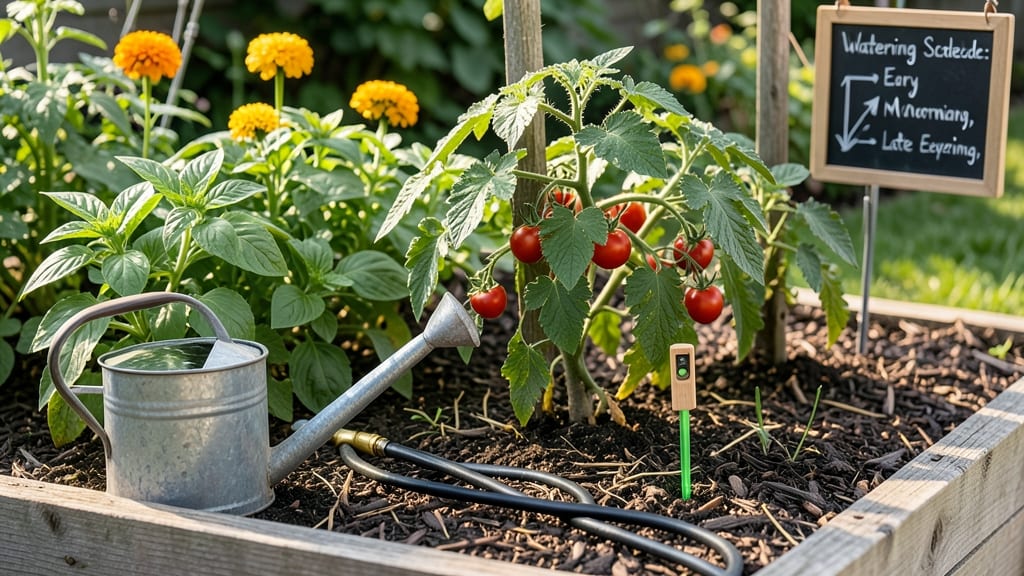
Watering your garden in summer at the wrong time can waste half your water and stress your plants — timing matters more than you think.
Summer heat can turn your thriving garden into a crispy disaster if you water at the wrong time—discover the science-backed morning vs. evening watering schedule that keeps plants hydrated and saves you time.
Morning watering lets roots soak up moisture before the sun evaporates it, while evening sessions invite fungal trouble. But what if you’re not up at dawn?
We’ll break down the best times for your 6a zone garden, how often to adjust for heatwaves, and when to let the soil dry out between drinks.
By the end, you’ll know exactly when to reach for the hose (or skip it) to keep your 🌱 garden lush without drowning it — or your water bill.


Best times to water garden plants in summer heat
Summer heat turns your garden into a battleground between hydration and evaporation. The right timing for watering isn't just about convenience—it's about root health, fungal prevention, and water conservation.
Research shows plants absorb 30% more water in cool mornings than sweltering afternoons, but evening watering comes with hidden risks. Let's break down the science so you can keep your garden thriving without wasting a drop.
Most gardeners assume morning watering is always best, but the truth is more nuanced. Soil temperature plays a critical role—cooler mornings (before 10 AM) let water penetrate deep roots before the sun evaporates it.
Meanwhile, evening watering (after 6 PM) can trap moisture on leaves, creating perfect conditions for powdery mildew and root rot. The key? Balance hydration efficiency with plant safety.
Your climate also dictates the best approach. In hot, dry regions like Arizona or California, morning watering is non-negotiable—up to 60% less evaporation occurs before noon. But in humid climates like Florida or the Southeast, evening watering might be safer if you avoid leaf-wetting.
Let's compare the two strategies in detail so you can pick what works for your garden.
| Factor | Morning Watering (Before 10 AM) | Evening Watering (After 6 PM) |
|---|---|---|
| Evaporation Rate | Low (30-40% less loss) | High (50-70% loss in heat) |
| Root Absorption | Optimal (cooler soil = better uptake) | Reduced (hot soil can scald roots) |
| Fungal Risk | Low (leaves dry quickly) | High (moisture lingers overnight) |
| Best For | Drought-prone areas, veggies, herbs | Humid climates, lawns, shade plants |
| Water Waste | Minimal (60% efficiency gain) | High (up to 30% lost to evaporation) |
| Soil Temp Impact | Cooler soil = deeper penetration | Warmer soil = surface drying |
Soil temperature is the silent villain in summer watering. When soil exceeds 85°F (29°C), water evaporates 3x faster and roots struggle to absorb moisture. That's why I always check soil temp before watering—stick your finger in the top 2 inches.
If it's hotter than your wrist, wait for morning. Pro tip: Use a soil thermometer ($10 at garden centers) to track daily fluctuations.
Evening watering isn't always a no-go. In humid regions, the trade-off is worth it to prevent leaf scorch from midday heat. But here's the catch: Water before 6 PM to give leaves time to dry.
For container gardens, evening watering can be safer since pots heat up faster. Just avoid overhead sprinklers—use drip irrigation or water at the base instead.
Heatwaves change the game entirely. During 100°F+ days, I increase morning watering to twice daily—once at 5 AM and again at 8 AM. Mulch with 2-3 inches of straw to lock in moisture.
For sensitive plants like tomatoes or peppers, shade cloth during peak hours reduces evaporation needs by 25%. Always prioritize deep watering over frequent shallow sessions.
Signs you're watering at the wrong time include yellowing leaves (under-watering) or mushy stems (over-watering). If your tomatoes develop blossom end rot, it's often a sign of inconsistent moisture. Adjust your schedule based on plant feedback, not just the clock. For example, succulents thrive on
How to adjust your watering schedule by plant type
Not all plants thirst the same way—what works for your tomatoes might drown your succulents. Summer’s intense heat demands precision, so let’s break down the ideal watering schedules for your garden’s most common residents.
Understanding these needs will help you avoid wilting or root rot while keeping your water bill in check.
Start with the basics: most plants prefer deep watering in the early morning (between 6-10 AM) to minimize evaporation and fungal risks. But some, like lawns, can handle evening watering—just avoid late-night sessions. Let’s dive into the specifics so you can tailor your watering like a pro.
| Plant Type | Best Time to Water | Frequency (Summer) | Watering Depth | Signs of Overwatering |
|---|---|---|---|---|
| Succulents & Cacti | Every 2-3 weeks (soak & dry) | Once every 2-3 weeks | 1-2 inches deep | Yellowing leaves, soft stems |
| Vegetables (Tomatoes, Peppers) | Morning (6-9 AM) | Every 2-3 days (deep) | 12-18 inches deep | Wilting, cracked soil, fungus |
| Flowers (Roses, Petunias) | Morning or late afternoon | Every 1-2 days (light) | 6-12 inches deep | Drooping, moldy stems |
| Lawns (Grass) | Early morning or evening | 2-3 times per week | 4-6 inches deep | Puddles, mushrooms, brown patches |
| Herbs (Basil, Mint) | Morning (keep soil moist) | Every 1-2 days | 2-4 inches deep | Yellow leaves, limp stems |
Your succulents and cacti are the low-maintenance stars of summer—they thrive on neglect! Water them deeply but infrequently, letting the soil dry completely between sessions. Overwatering is their #1 enemy, so if you see yellowing leaves or soft stems, dial back immediately.
For these plants, less is more—even in the hottest weeks.
Vegetables like tomatoes and peppers demand consistency. They need deep watering every 2-3 days to prevent blossom-end rot or wilting. Stick to morning watering to reduce fungal diseases like powdery mildew.
If your soil cracks or fungus appears, you’re either over- or under-watering—adjust your schedule and mulch to retain moisture.
Flowers such as roses and petunias love hydration but hate soggy roots. Water them lightly every 1-2 days, focusing on the base to keep blooms dry.
If you notice drooping petals or moldy stems, switch to morning watering and improve airflow. A drip irrigation system can automate this without stressing your plants.
Lawns are the most forgiving but still need attention. Water deeply 2-3 times per week, either in the early morning or evening, to encourage deep root growth.
Watch for puddles or mushrooms—these are red flags for overwatering. If your grass turns brown, it might just be dormant from heat, not dead!
For herbs like basil and mint, keep the soil consistently moist but never waterlogged. These plants wilt fast in heat, so check them daily. If leaves turn yellow or stems feel limp, increase frequency slightly. A shade cloth can help during heatwaves while keeping them hydrated.
Pro tip: Always check soil moisture by sticking your finger 1 inch deep. If it’s dry, water; if it’s damp, wait. This simple trick saves water and keeps your garden thriving—no guesswork required! 🌱