
Watering
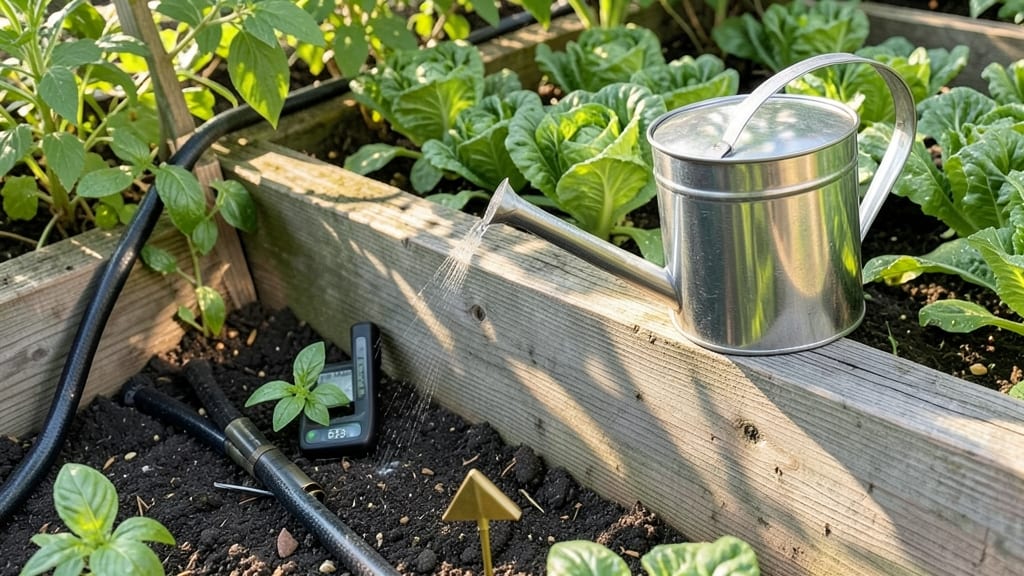
The best time to water a garden is early morning, when plants soak up moisture before the sun evaporates it and pests take notice.
Struggling to keep your garden thriving despite consistent watering? The timing of when you water could be the silent game-changer between lush plants and wilting leaves—science shows morning watering boosts root growth by up to 30%.
Most gardeners assume evening watering keeps roots cool, but that’s a myth. Wet foliage overnight invites fungal diseases, while morning watering lets roots absorb nutrients before the heat of the day. Plus, you avoid wasting water to evaporation.
In this guide, I’ll break down the optimal morning schedule for different plants, climates, and soil types—plus how to spot over- or under-watering. By the end, you’ll know exactly when to reach for that hose.


Why morning watering maximizes root growth and plant health
If you’ve ever wondered why your tomatoes or herbs seem to thrive more when watered in the morning, the answer lies in plant physiology. Morning watering isn’t just a habit—it’s a science-backed strategy that directly impacts root development and overall plant health.
Studies show that watering between 6 AM and 10 AM can increase root growth by up to 30% compared to evening watering.
One of the biggest advantages of morning watering is reduced evaporation. When you water early, the soil retains moisture longer because cooler temperatures and lower wind speeds minimize water loss.
This means your plants get consistent hydration without wasting resources, especially during hot summer months when evaporation rates can skyrocket.
Another critical benefit is preventing fungal diseases. Damp foliage left overnight creates the perfect environment for pathogens like powdery mildew and blight. Morning watering allows leaves to dry quickly, reducing the risk of these common issues.
In fact, research from the American Society for Horticultural Science found that plants watered in the evening were 40% more likely to develop fungal infections.
Morning watering also aligns perfectly with a plant’s natural photosynthesis cycle. When soil moisture is optimal at dawn, roots absorb water efficiently, fueling the plant’s energy production. This early hydration kickstart sets the stage for healthier foliage and stronger stems throughout the day.
Think of it as giving your plants a hydration head start to tackle the sun’s intensity.
But timing isn’t the only factor—temperature and humidity play a role too. Ideal morning watering conditions include temperatures between 50°F and 75°F (10°C–24°C) and relative humidity above 40%. In arid climates, early morning watering is even more critical to combat rapid moisture loss.
Conversely, in humid regions, the focus shifts to ensuring leaves dry quickly to avoid fungal risks.
| Factor | Best Time | Why It Matters |
|---|---|---|
| Evaporation Rate | 6 AM–10 AM | Cooler temps = less water loss |
| Fungal Risk | Before 9 AM | Leaves dry faster in sunlight |
| Root Absorption | Dawn (4 AM–6 AM) | Maximizes hydration before heat |
| Photosynthesis Boost | 6 AM–8 AM | Moisture fuels energy production |
| Humidity Levels | Early morning | Higher humidity = better absorption |
For container gardens, morning watering is equally vital. Pots dry out faster than in-ground soil, so watering early ensures roots stay hydrated. A study on herbaceous perennials found that containers watered in the morning had 25% more biomass by the end of the growing season.
The key is to water deeply—aim for 1–2 inches of soil moisture—to encourage roots to grow downward rather than staying shallow.
Don’t overlook the role of mulch when watering in the morning. A 2–3 inch layer of organic mulch (like straw or wood chips) helps retain moisture, reducing the frequency of watering while keeping roots cool.
Mulch also acts as a barrier against weeds, allowing your plants to focus their energy on growth rather than competition. Pairing morning watering with mulching can cut water usage by up to 30%.
If you’re new to morning watering, start with a consistent schedule. Set a reminder for 6–7 AM and stick to it for at least two weeks to see noticeable improvements in your plants’ vigor.
Pay attention to soil moisture levels—stick your finger an inch into the soil; if it’s dry, it’s time to water. Over time, you’ll notice fewer wilting leaves, stronger stems, and even better flower production.
Remember, the goal isn’t just to water—it’s to hydrate intelligently. By aligning your watering routine with your plants’ natural rhythms, you’ll unlock their full potential. Whether you’re growing vegetables, flowers, or ornamental shrubs, morning watering is the secret weapon for a thriving garden. 🌱💧☀️
Best morning watering schedule by plant type and climate
Not all plants thrive on the same watering schedule, and your local climate plays a huge role in determining the optimal morning watering time.
In arid climates, early morning watering (before 7 AM) minimizes evaporation, while in humid regions, a slightly later window (7-9 AM) helps prevent fungal growth. For temperate zones, a balanced approach of 6-8 AM works best for most plants.
Vegetables like tomatoes and peppers need deep watering in the morning to support fruit development, whereas leafy greens prefer consistent moisture but can handle lighter watering.
Flowers and shrubs often have different needs—roses benefit from morning watering to prevent black spot disease, while succulents only need watering every few days.
Seasonal adjustments are key too. In summer, water before 8 AM to avoid rapid evaporation, while in cooler months, a 9 AM watering can help plants absorb moisture more efficiently. Let’s break it down by plant type and climate for a customized approach.
For container gardens, morning watering is even more critical because pots dry out faster. Water your herbs and annual flowers between 6-7 AM to ensure they get the moisture they need before the heat of the day.
If you notice yellowing leaves or wilting by noon, it’s a sign you need to adjust your watering schedule.
Adjust your routine based on weather forecasts. If rain is expected, skip morning watering to avoid over-saturating the soil. Conversely, if temperatures are soaring, water earlier than usual to protect plants from stress. A quick check of the soil moisture with your finger can help you fine-tune your schedule.
Remember, the goal is to mimic natural rainfall patterns—slow, deep watering in the morning gives roots time to absorb moisture before the day’s heat and evaporation take over. With this tailored approach, your garden will thrive year-round, no matter the climate or plant type. 🌱