
Planting
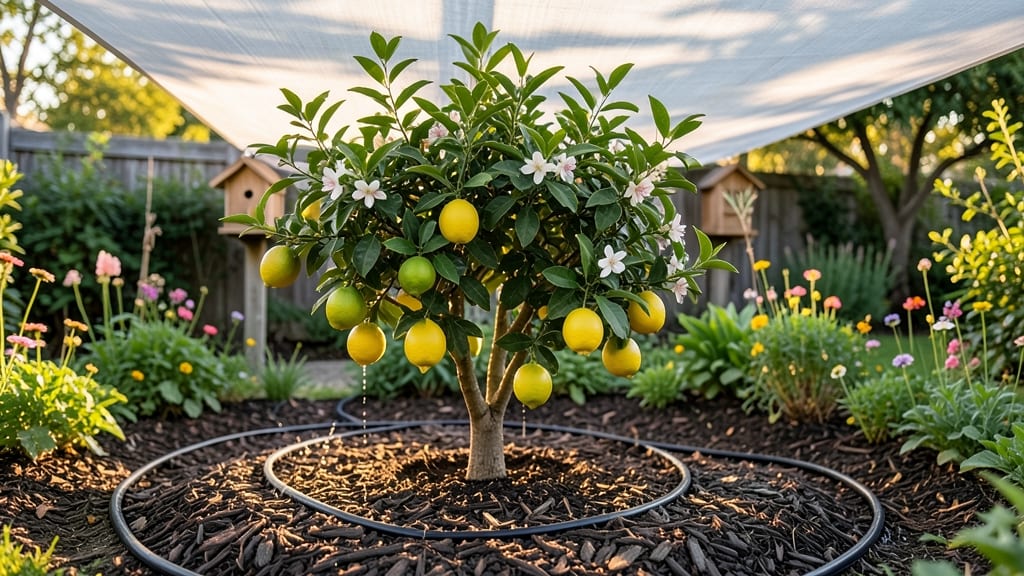
Zone 10 gardening lets you plant almost any time of year thanks to its frost-free conditions, making it perfect for growing tropical plants like mangoes, subtropical crops such as papayas, and warm-season vegetables like peppers and eggplants. Success depends on working with seasonal rainfall patterns and heat spikes while adapting to local microclimates.
This frost-free paradise isn't just about endless growing seasons—it's about strategic timing.
Coastal areas may get more humidity and occasional summer fog, while inland zones can hit 110°F+ temperatures, both requiring different irrigation approaches. 🔥 I've seen gardeners in desert microclimates use shade cloth for delicate tropicals while coastal growers focus on fungal resistance.
The key is matching plant needs to your specific location's heat and moisture patterns rather than following generic planting charts.
What truly sets Zone 10 apart is its ability to produce three harvests per year for many crops. For example, you can plant tomatoes in January, again in July, and get a final crop in November before the rare cold snap. The trade-off?
Some plants like citrus need consistent moisture year-round, while others like sweet potatoes thrive in the intense summer heat. This is where soil preparation becomes your secret weapon—amending with organic matter helps maintain moisture during dry spells while preventing waterlogging in rainy periods.
💡 In This Article
- Understanding Zone 10’s Unique Climate Zones
- Seasonal Planting Guide for Zone 10 Gardens
Understanding Zone 10’s unique climate zones
Zone 10 spans a diverse range of microclimates where temperature, humidity, and elevation create distinct growing conditions. Coastal areas like San Diego experience 60-70°F average winters with high humidity and occasional summer fog, while inland desert regions like Phoenix can hit 110°F+ in summer with dry heat.
These extremes mean your 100-foot elevation change can shift planting zones by half a number—critical for heat-sensitive tropicals like coffee or cacao.
The most dramatic differences appear in rainfall patterns. Coastal Zone 10 gardens receive 10-20 inches annually spread evenly, while desert areas may get less than 5 inches but in intense summer storms.
This affects irrigation needs drastically—coastal gardens focus on fungal prevention (like copper sprays for citrus), while desert growers use drip systems with 3-4 inch mulch to retain moisture.
The scent of damp soil after summer rains in coastal areas contrasts sharply with the crisp, dry air of inland zones where plants wilt visibly by midday.
Pest pressure varies wildly too. Coastal humidity breeds aphids and whiteflies on tropicals, requiring neem oil applications every 2-3 weeks, while desert areas face spider mites that thrive in dry heat.
I've seen papaya trees in coastal gardens completely defoliated by mealybugs within weeks, while the same variety in desert microclimates grows pest-free with proper water management. The key is monitoring leaf curl patterns—upward curling often signals underwatering in heat, while yellowing edges indicate overwatering in humid conditions.
Elevation plays a hidden role too. Mountain foothills in Zone 10 (like those near Palm Springs) experience 10-15°F cooler nights than valley floors, allowing growers to successfully cultivate highland coffee varieties that would scorch in valley heat.
These microclimates create natural "climate layers" where you might grow coffee at 2,000 feet while citrus thrives at sea level just miles away. The visual difference is striking—lush, green highland crops next to sun-baked valley gardens.
Soil composition adds another layer. Coastal areas often have sandy loam with high organic content, while desert soils are typically clay-heavy with poor drainage.
This means your amendment strategy must differ completely—coastal gardens benefit from gypsum additions to improve drainage, while desert soils need compost and perlite mixes to prevent compaction. The texture difference is dramatic: coastal soil crumbles easily between fingers, while desert soil forms hard clods when dry.
What most gardeners overlook is how these microclimates affect pollination periods. Coastal humidity extends flowering seasons by 4-6 weeks compared to inland areas, which means your tomato pollination schedule needs adjustment based on location.
I've timed hand-pollination for cherry tomatoes in coastal gardens during late May fog events, while inland growers rely on early morning bee activity before 100°F heat sets in. The timing precision required here is what separates successful Zone 10 gardens from struggling ones.
Here's the bottom line: Zone 10's diversity means you can't use a one-size-fits-all approach. The 5-mile difference between coastal and desert microclimates can change your entire growing strategy—from irrigation timing to pest control schedules. Take time to observe your specific location's patterns before planning your garden layout. 💫