
Tools
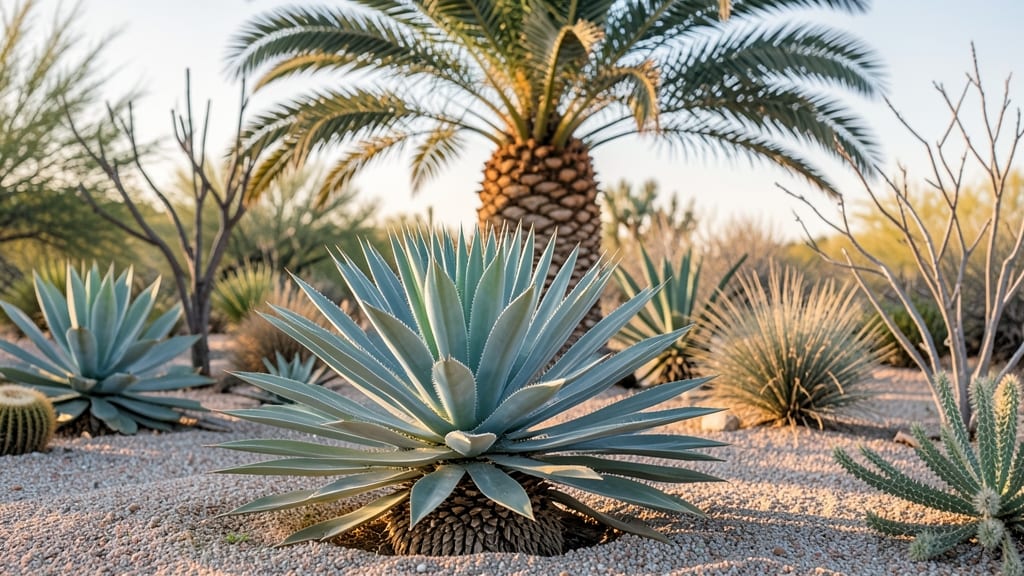
Moorten Botanical Garden in Palm Springs features stunning desert plant ecosystems, rare cactus collections, and vibrant seasonal blooms like wildflowers and orchids, plus lesser-known trails such as the Japanese Garden and shaded groves ideal for year-round visits.
This desert oasis stands out for its carefully curated plant collections, blending native Sonoran Desert species with exotic botanicals. 🌵 The garden’s conservation efforts focus on preserving endangered cacti and succulents, while seasonal displays—like spring wildflowers or holiday orchid arrangements—create ever-changing visual highlights.
Even the hidden trails, such as the serene Japanese Garden, offer peaceful escapes from the desert heat, making it perfect for both casual strollers and plant enthusiasts.
The garden’s layout encourages exploration, with shaded groves providing relief during peak sun hours. Whether you’re admiring the rare agave varieties or photographing the seasonal blooms, Moorten delivers a unique desert botanical experience that evolves with each visit.
💡 In This Article
- Desert Plant Ecosystems and Rare Species at Moorten
- Best Hidden Trails and Seasonal Events to Visit
Desert plant ecosystems and rare species at Moorten
The garden’s botanical diversity thrives in its carefully designed desert ecosystems, featuring over 1,000 plant species adapted to arid conditions. Native Sonoran Desert flora—like the towering saguaro cactus (Carnegiea gigantea), which can reach 50 feet tall—share space with rare hybrids and endangered varieties.
The conservation focus extends to 50+ cactus species, including the critically endangered Devil’s Rope (Lophocereus schotti), where propagation programs help sustain dwindling wild populations.
Seasonal blooms transform the landscape, with spring wildflowers (like the delicate Desert Mariposa Lily) carpeting the grounds in March-April, while orchid displays peak in November-December. The garden’s microclimates—created through strategic shading and irrigation—allow species from different desert regions (e.g., Chihuahuan, Mojave) to coexist.
For example, the Ocotillo (Fouquieria splendens) thrives in full sun, while moisture-loving Palm Springs cycads flourish in shaded groves.
What sets Moorten apart is its living laboratory approach to conservation. Visitors can observe pollinator corridors designed to support native bees and butterflies, like the Desert Queen (Euchloe ausonides), whose larvae feed exclusively on Desert Parsley (Lomatium triternatum).
The garden’s 20-acre desert preserve also serves as a research site for studying plant resilience to climate shifts, with data collected on water-use efficiency in agave species during drought cycles.
The Japanese Garden, a hidden gem, contrasts with the desert flora by featuring bonsai trees and moss gardens that require 90% humidity—a stark contrast to the surrounding 30% humidity of the Coachella Valley.
This juxtaposition highlights how the garden bridges ecosystems, offering a 360-degree botanical experience from xeric (dry) to mesic (moist) environments. The shaded groves, lined with California sycamores, provide 80°F cooler microclimates than open desert areas, creating oases for heat-sensitive plants.
For plant lovers, the rare species trail is a must-visit, where labels detail each specimen’s geographic origin, conservation status, and ecological role. For instance, the Blue Palo Verde (Parkinsonia florida) isn’t just a striking tree—it’s a nitrogen-fixer, enriching the soil for neighboring plants.
This level of detail turns a walk into an educational journey, making Moorten more than a garden but a living textbook of desert ecology. 🌵