
Advice
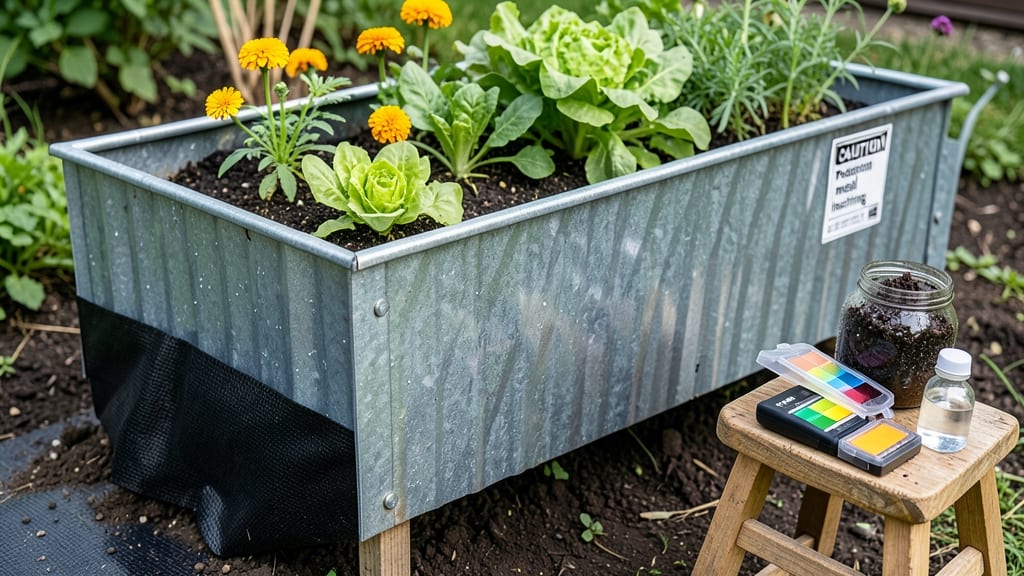
Galvanized garden beds are not safe for growing edible plants because their zinc and cadmium coatings leach into the soil over time, potentially contaminating crops and posing health risks. For edible gardens, use only untreated wood or metal-free materials.
Galvanized metal releases toxic chemicals when exposed to moisture or acidic soil, creating a slow but dangerous contamination process. 🌱 The zinc coating breaks down over months or years, while cadmium—a known carcinogen—can linger in the soil for decades.
Even if you don't see visible rust, microscopic particles seep into plant roots, making harvested vegetables unsafe to eat. For non-edible gardens, lining the bed with heavy-duty plastic sheeting creates a barrier, but this isn't foolproof for long-term use.
If you're repurposing old galvanized beds, consider using them only for flowers or decorative plants where contamination isn't a concern. 🌿 For vegetable gardens, cedar or redwood beds offer natural rot resistance without chemical risks, while raised beds made from composite materials provide another safe alternative.
The key is preventing direct contact between plants and galvanized surfaces—whether through material choice or protective liners.
💡 In This Article
- How Galvanization Chemicals Harm Soil and Plants
- Safe Alternatives to Galvanized Garden Beds
How galvanization chemicals harm soil and plants
The galvanization process involves coating steel with a layer of zinc to prevent rust, but this protective layer contains trace amounts of cadmium—a heavy metal that poses serious health risks.
When soil becomes acidic (common in organic-rich or clay-heavy soils with pH below 6.5), the zinc coating corrodes more rapidly, releasing both zinc and cadmium ions into the soil.
These metals don't just stay on the surface—they bind to soil particles and become bioavailable, meaning plants can absorb them through their root systems.
Zinc leaching alone can create nutrient imbalances in plants, causing stunted growth or yellowing leaves as the metal interferes with nutrient uptake. 🌱 However, cadmium is far more dangerous: it accumulates in plant tissues and doesn't break down.
Studies show that cadmium concentrations in edible crops like leafy greens and root vegetables can exceed 0.01 mg/kg—the EU's safe limit for human consumption—after just 6-12 months of growing in contaminated soil. The problem worsens with repeated use, as cadmium persists in the soil for decades.
What makes this especially concerning is how these metals move through the food chain.
When you harvest contaminated produce, you're ingesting these heavy metals, which can accumulate in your body over time. 💀 The World Health Organization classifies cadmium as a Group 1 carcinogen, linked to kidney damage and increased cancer risks with long-term exposure.
Even small amounts in your daily diet add up, making galvanized beds particularly hazardous for home vegetable gardens where produce is consumed fresh.
The leaching process accelerates with environmental factors. Rainwater carries dissolved metals deeper into the soil profile, while freeze-thaw cycles in temperate climates create microscopic cracks in the galvanized coating. In tropical regions with high humidity, corrosion occurs 3-5 times faster than in dry climates.
This explains why some gardeners notice no immediate issues—damage accumulates silently until it's too late for safe harvests.
Visual clues like rust spots or white zinc deposits might appear after 1-3 years, but by then, the damage to your soil's chemical balance is already done.
The most alarming aspect is that these metals don't just affect the current growing season—they create a legacy of contamination that can make the soil unusable for edible crops for years to come. 🌿 Even composting plants grown in contaminated soil spreads these toxins rather than containing them.
For those considering repurposing old galvanized beds, understand that no amount of washing or cleaning removes the systemic contamination once it begins. The only truly safe options involve complete physical separation between the galvanized material and your growing medium, which we'll explore in the alternatives section.