
Advice
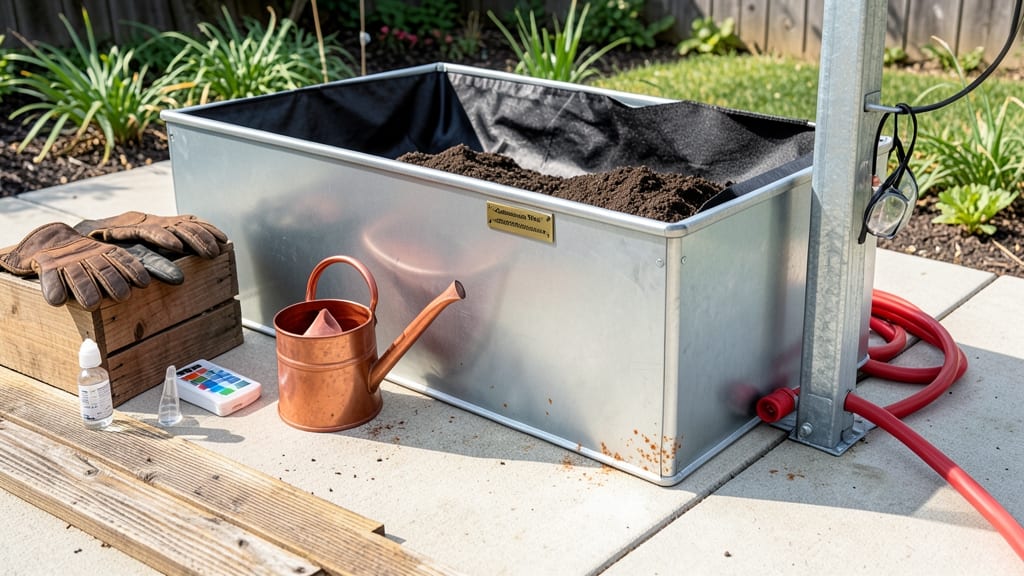
Metal raised garden beds can be safe when made from food-grade materials like galvanized steel or stainless steel, but low-quality metals or improper coatings may release harmful chemicals into your soil over time. Always verify corrosion resistance and avoid treated wood liners to protect your plants and soil health.
Metal raised garden beds offer durability and pest resistance, but their safety depends entirely on the materials used.
Galvanized steel and copper are generally safe when properly coated, though zinc leaching from galvanized beds can alter soil pH over time. 🌱 Stainless steel is the gold standard for food-safe gardens, while aluminum and untreated metals should be avoided due to potential aluminum toxicity and corrosion byproducts.
The key is selecting certified food-safe metals and ensuring proper construction—like avoiding wood liners treated with chemicals that could seep into the soil.
For existing beds, I recommend a simple DIY test: place a damp paper towel in the bed overnight and check for rust stains or discoloration. If you're building new, opt for powder-coated galvanized steel or stainless steel, and line the bottom with landscape fabric to prevent metal contact with soil.
Regular maintenance—like sealing rust spots and checking for corrosion—will extend the bed's lifespan while keeping your garden thriving.
💡 In This Article
- How Metal Types Affect Soil and Plant Safety
- Expert Tips for Choosing and Maintaining Safe Metal Raised Beds
How metal types affect soil and plant safety
The safety of metal raised garden beds hinges on the chemical composition and corrosion resistance of the material. Galvanized steel, for example, uses a zinc coating to prevent rust, but this zinc can slowly leach into the soil over time.
While zinc is essential for plant growth in small amounts, excessive levels (above 5-10 ppm) can become toxic, particularly to sensitive plants like beans or tomatoes.
The leaching rate depends on soil acidity—more acidic soils (pH 5.5 or lower) accelerate zinc release, potentially altering soil chemistry and microbial balance.
Copper, another common metal, poses a different risk. While it's naturally occurring in soil, copper garden beds can release copper ions at levels harmful to plants and soil organisms. Studies show that copper concentrations above 200 ppm can inhibit beneficial microbes and stunt plant growth, especially in edible crops.
The good news? Copper's antimicrobial properties make it excellent for pest control, but the trade-off is careful monitoring. Stainless steel, on the other hand, contains chromium and nickel, which are far less reactive and pose minimal risk to soil health when properly maintained.
Aluminum is the riskiest choice for garden beds. Corrosion products from aluminum can raise soil aluminum levels, which is toxic to most plants at concentrations above 5 ppm. The problem worsens in acidic soils, where aluminum becomes more soluble and available to plant roots.
Unlike other metals, aluminum doesn't serve any beneficial purpose in gardening—it's purely a contaminant that can stunt growth or cause leaf discoloration. This is why aluminum beds are rarely recommended for edible gardens unless they're lined with a protective barrier.
What makes stainless steel the safest option is its passive chromium oxide layer, which prevents corrosion and chemical leaching. This layer remains stable even in moist soil conditions, making stainless steel ideal for long-term use. The trade-off?
It's more expensive than other metals, but the peace of mind for your garden's safety is worth it. For budget-conscious gardeners, powder-coated galvanized steel offers a middle ground—just ensure the coating is food-grade and free from lead or cadmium additives.
Soil pH plays a critical role in how these metals behave. Acidic soils (pH 6.0 or lower) accelerate metal leaching, while slightly alkaline soils (pH 7.0-7.5) help stabilize metals like zinc and copper.
This is why many gardeners amend their soil with lime to buffer pH levels when using galvanized or copper beds. The goal is to maintain a neutral to slightly alkaline environment where metals remain inert and plants thrive.
Here's a quick comparison of common metals and their risks:
- Stainless steel: Safest option; minimal leaching; ideal for edible gardens
- Galvanized steel: Moderate risk; zinc leaching possible; best for non-edible plants or short-term use
- Copper: High risk if uncoated; antimicrobial but toxic in excess; use only with protective liners
- Aluminum: Highest risk; avoid for edible gardens unless properly lined
For the most accurate assessment, I recommend testing your soil annually if using metal beds. A simple soil pH test kit ($10-$15) can reveal whether metal leaching is becoming an issue, and a heavy metals test (available through university extension programs) provides precise data. 🌱